
I Taught in an Amish School at Age 16 — Here’s How We Managed 8 Grades in One Room
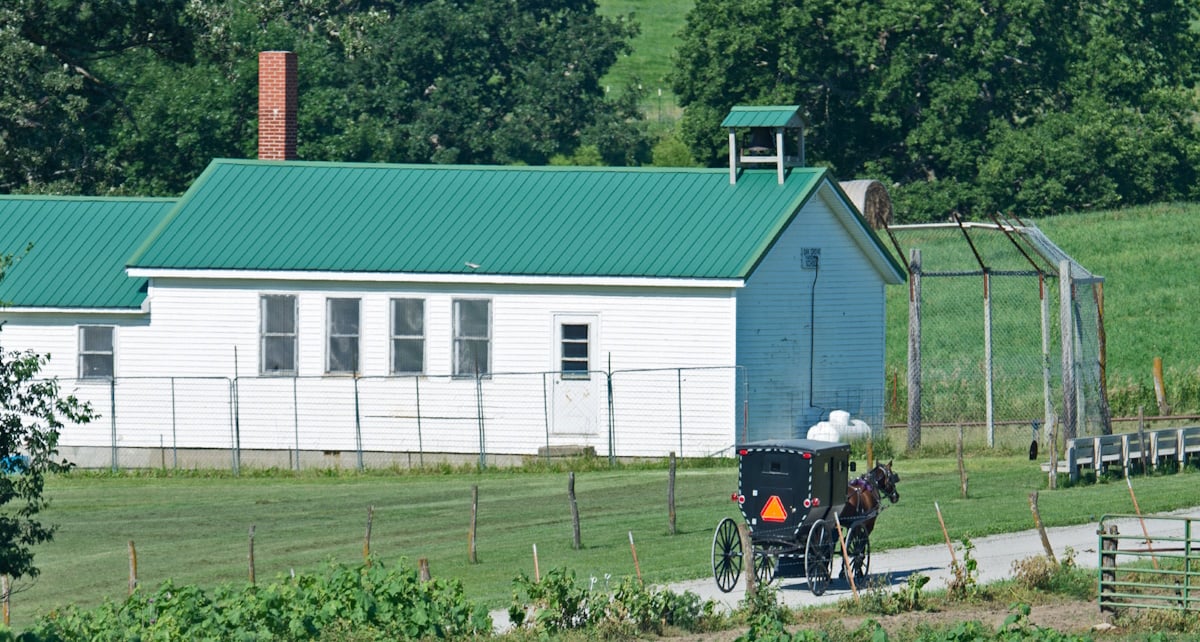
In past posts we’ve seen the layout and details of Amish schools. In today’s post we focus not so much of the rooms or the buildings, but upon life in and around the schoolhouse.
To help us navigate through this we have Laura Graber, who has been featured here as the bride in the “Amish-ish” Wedding posts.

Laura was kind enough to sit down for an interview about her experience as an Amish school teacher in Jamesport, Missouri (a job she started at the young age of 16).
In Part 1 of this two-part interview, Laura shares just how she was able to manage eight grades in one room, how Amish teachers are chosen, and more.
Don Burke: Hello again, Laura.
Laura Graber: Hey, Don!
Don: As I recall, you and at least two of your sisters were teachers in an Amish school, right? How long did you teach?
Laura: Yes! (And actually it was me and three of my sisters that taught school.) The first year I taught I was 16 years old. That’s pretty young, but I was paired with an older teacher, plus I had helped my sisters some at their schools. So I had a pretty good idea of what the teacher life looked like . . . or so I thought! Ha! I taught for four years.
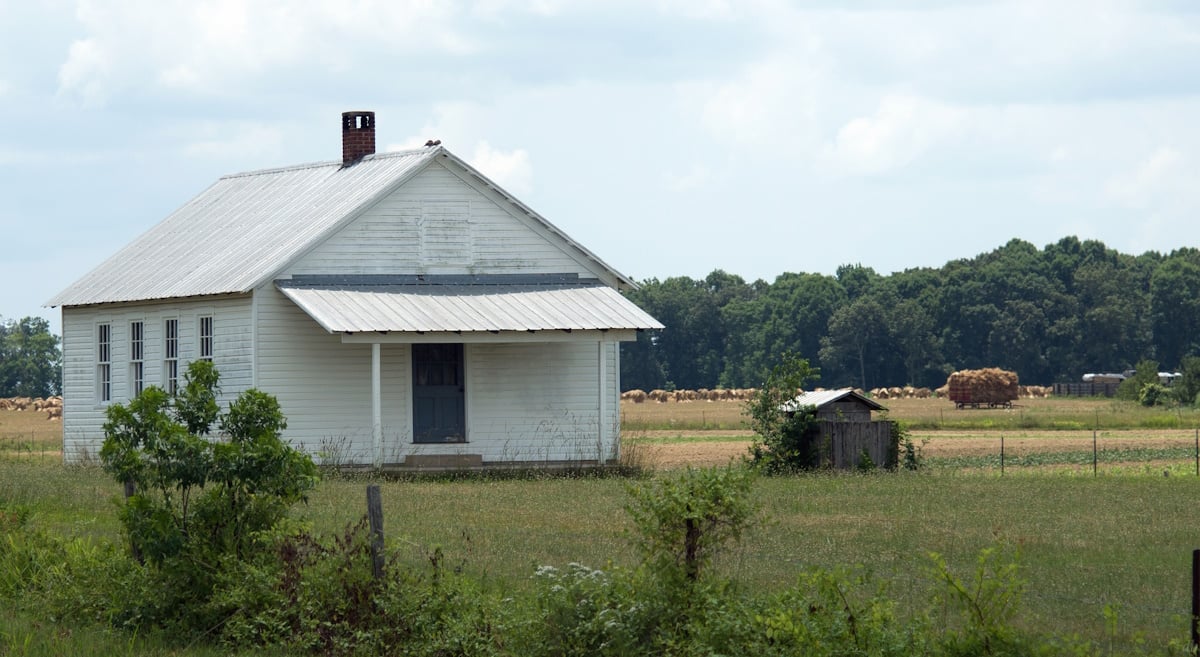
Don: Well, I’d say that qualifies you to know a thing or two about the life in and around an Amish school. How many grades are in a typical Amish school?
Laura: They teach kindergarten through 8th grade. Most schools will have at least some kids in all those grades.
Don: How long does an Amish school year last?
Laura: Eight months is a usual term. There are very limited breaks, snow days, etc., so the number of months seems shorter than a public school term.
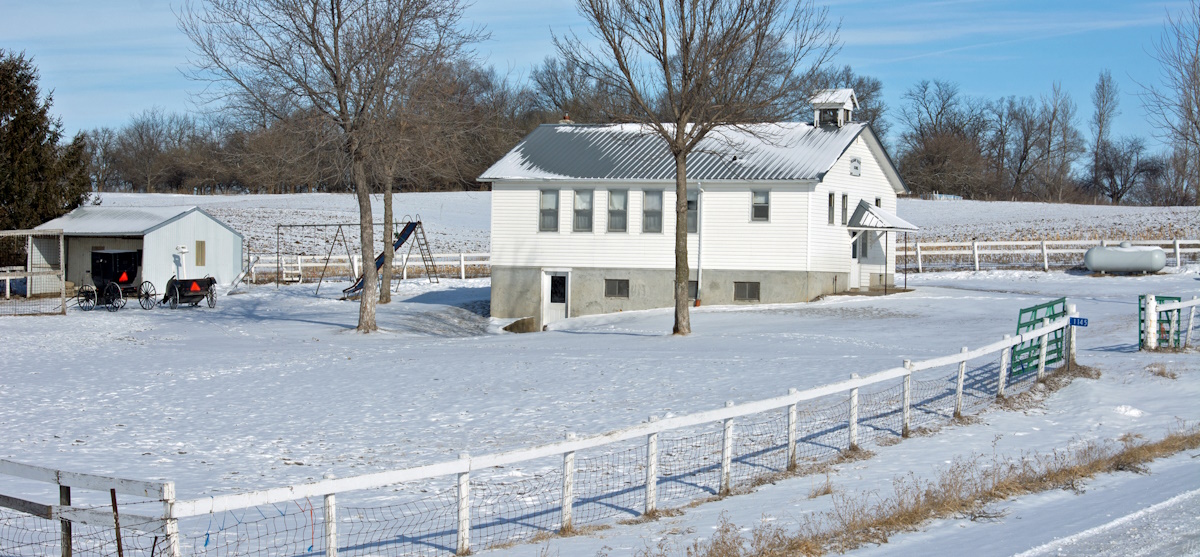
Don: How many students were in the school when you taught, and how many teachers were there?
Laura: There are usually two teachers in a school. If extra help is needed for a particular reason, there will be a third teacher hired to help. There are anywhere from 20-35 students in a school.
Don: So how did you divide up the students between the teachers?
Laura: Typically each teacher (when there are two) will take four or five grades each. As far as how to divide them, that depends largely on the size of each grade, if certain grades have students that need extra help, or maybe a particular teacher prefers either lower grades or upper grades.
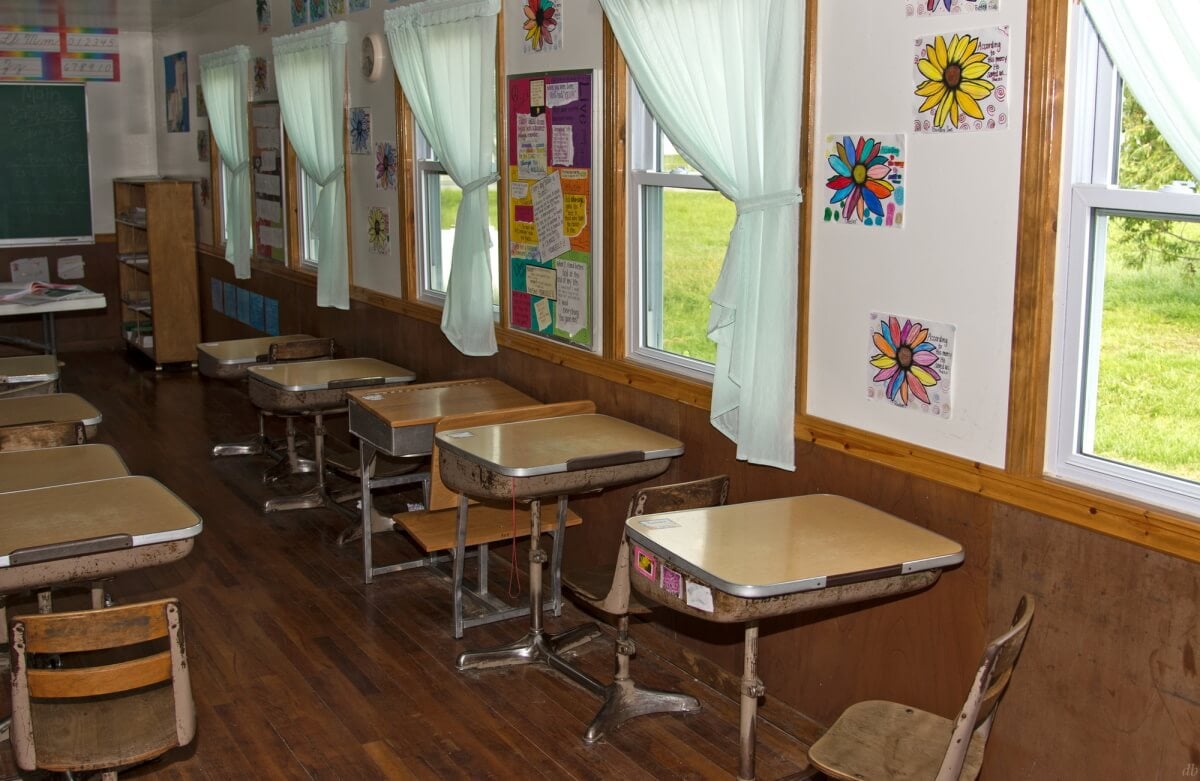
And then sometimes during the school term the teachers will see that switching some around would make it work more smoothly. The most chaotic year I taught was my last year. I had responsibility for seven grades with only 12 students, and squeezing seven math classes in an hour takes some skill!
Naturally I would not have class discussion for each subject in each grade every day – typically there was one or two that had a test or review, etc., and could work on their own without my help.
Don: How do you teach so many grades at once?
Laura: I never taught only one grade. I believe I would get bored to just have to lesson plan for one grade.
I would spend a lot of time in the morning, or after school, looking at all the lessons for the next day, and making mental notes of who needs class discussion time to get started on their lesson – and who can work a partial page when I’m having class time with others.
It’s an art. You get to know the kids and their abilities and work from there. In math period (for example), I would have class discussion and explain the lesson – while I had another group doing flashcards, and another grade working on the review part.
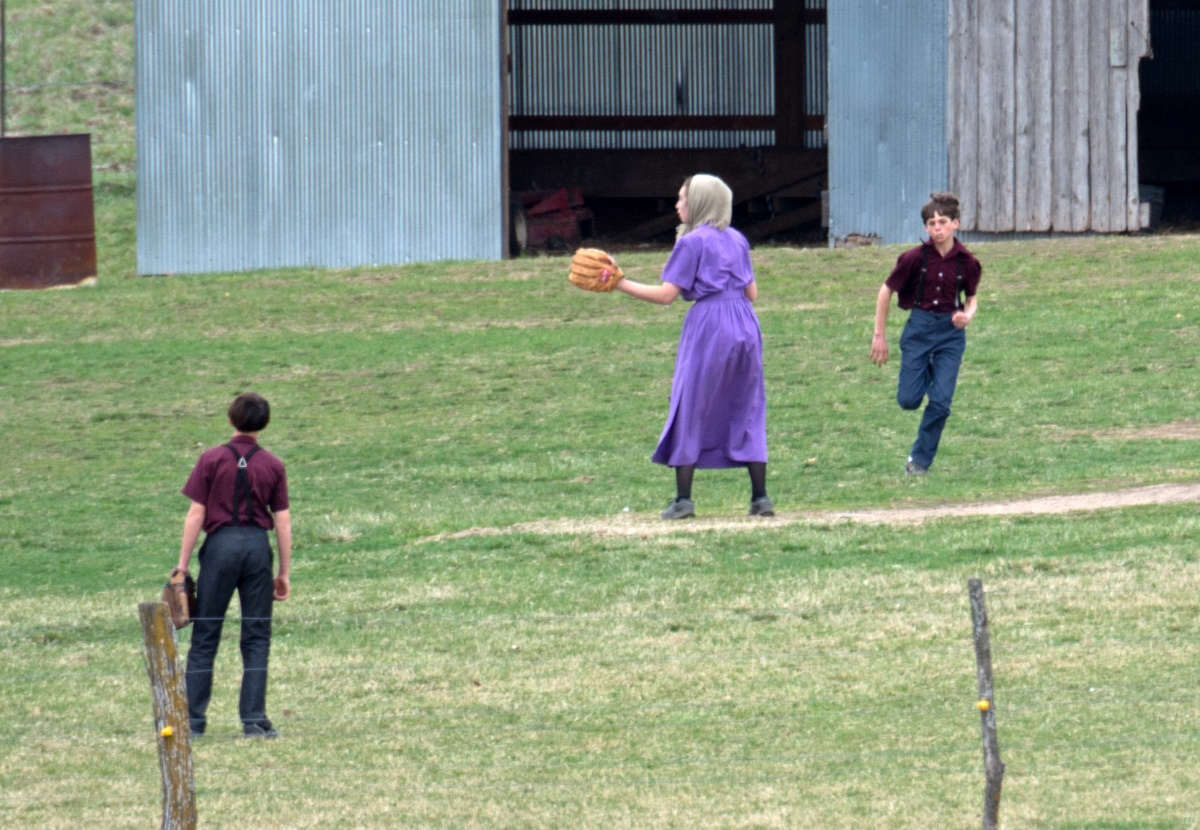
You learn to switch around, and you also teach the children to be proactive. If they can’t go on with an assignment, then they grab a reading book for the next period and start on that.
Obviously I wanted to be well-versed on what exactly each grade was learning, so I could teach it effectively and quickly.
And a neat trick is you can send a 6th grader who is bored to help a 2nd grader sound out a word while you’re conducting class time with others. There’s definitely pros and cons to a mixed classroom, but I loved the challenge.
Don: So even though a given teacher will likely have four different grades in an area, while all grades may be working on math at a given time, if you are talking to the 3rd graders about their lesson, what are the 6th and 7th graders doing at that time?
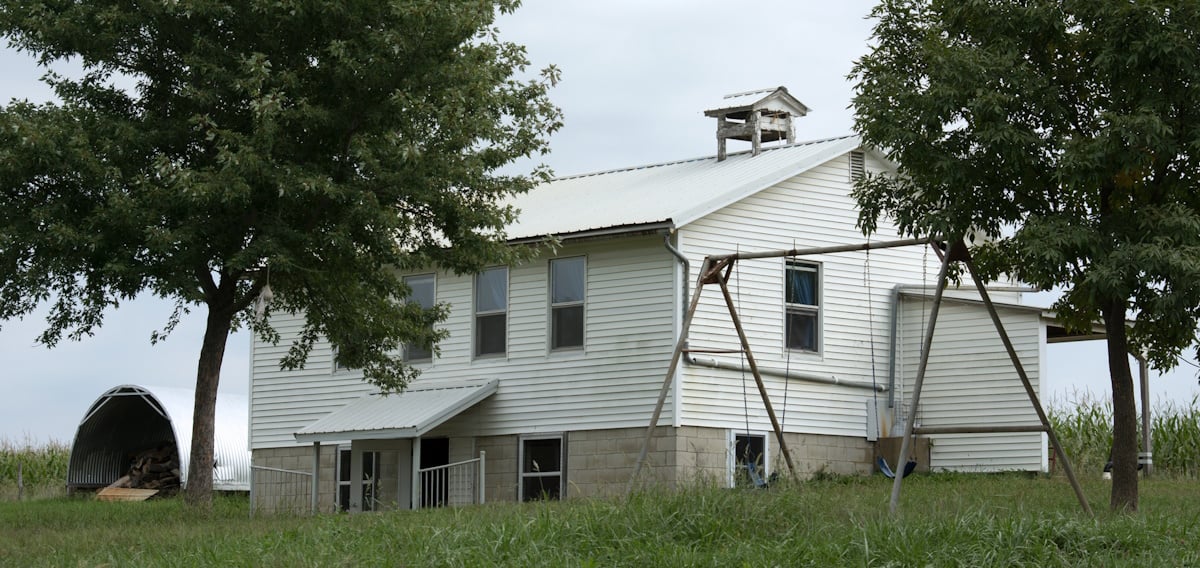
Laura: Typically in a lesson there is a review part that keeps a child busy for 10-15 minutes, so they can work on that. But then while you’re with the 6th grade, you may have drill sheets for the 7th grade or have them start on the next subject.
It’s a bit of a puzzle sometimes, but once you get to know the kids and their abilities, you can map out who does what best and move through classes as efficiently as possible, so you can get to the next group.
Don: So, you’re saying there is teacher instruction, with a lot of independent work mixed in?
Laura: Yes! Typically you get them started, explain the overall new concept and pray they get it on the first try. Ha.
Don: What were your school facilities like?
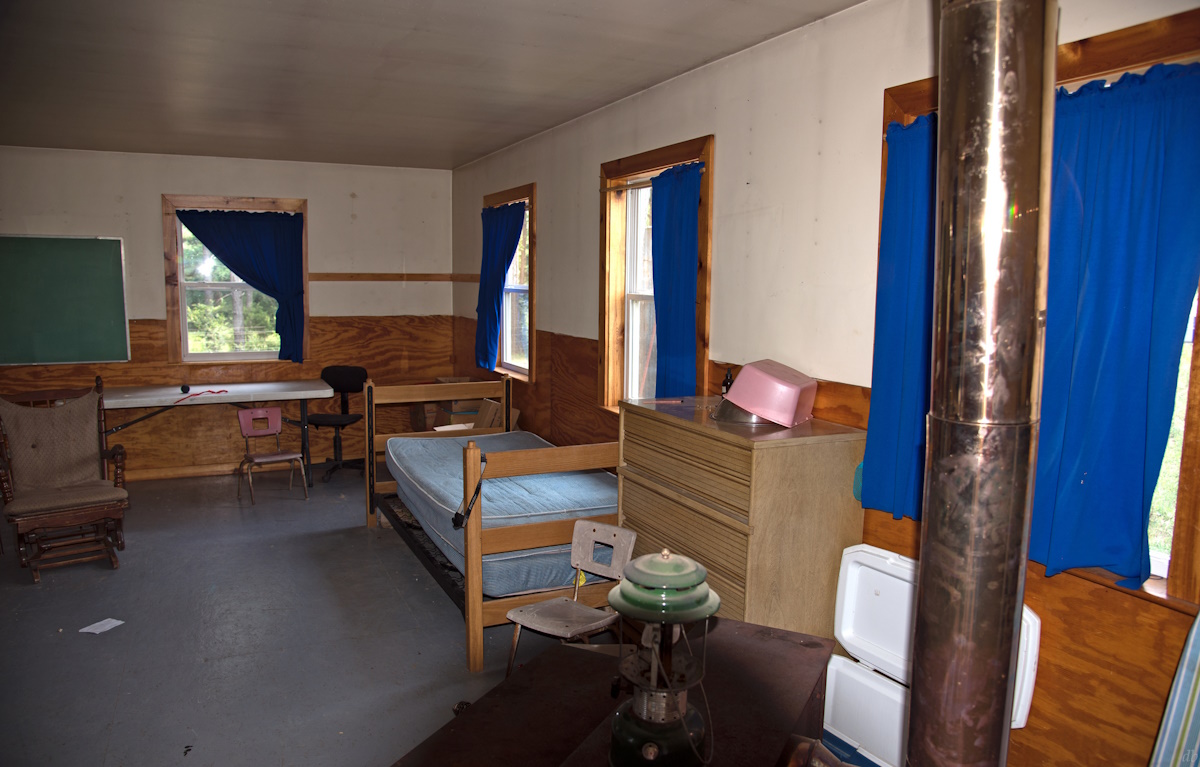
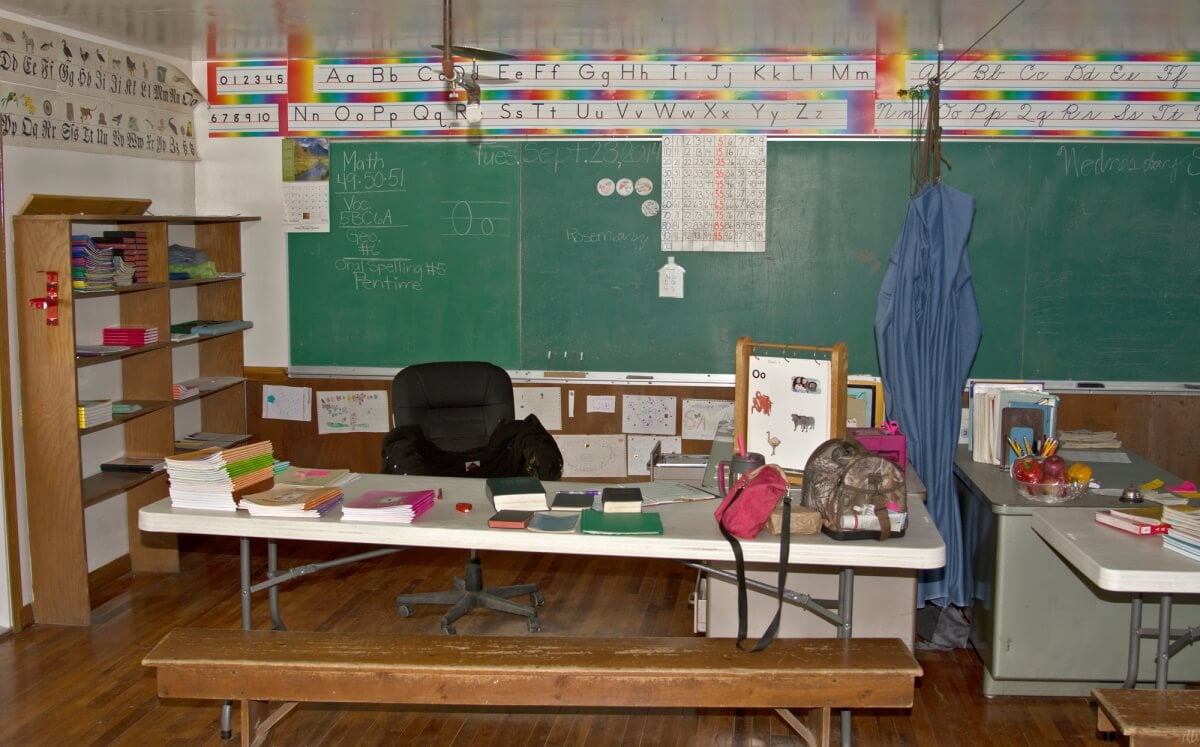
Laura: It was a large one-room classroom with a curtain you pulled that went through the room to separate you from the other teacher and students. This was handy in that we could keep the curtain open for devotions and worship.
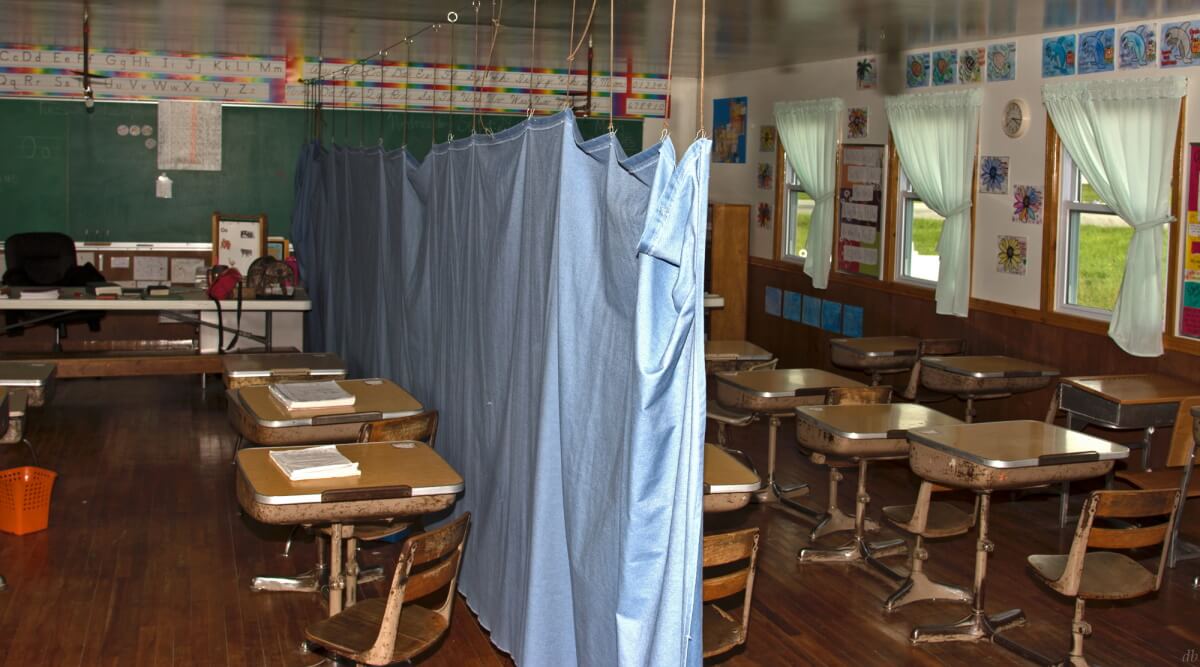
Don: So a curtain divides the room much of the time during the course of the day. Do the kids just get used to tuning in to their teacher – and tuning out the voices and noise from the other side?
Laura: Yes. It’s crazy. I would forget there even was another side of the room. You get so zeroed in on your section, you don’t even know the others exist. We would obviously work to keep the children quiet, and speak quietly unless it was class discussion time and I was addressing the whole class.
There are times when a giggle fit breaks out, or a mouse runs through the room, or a kid throws up or loses a tooth – and at those times you become well aware of the other side of the room!
Don: Say a teacher resigns at an Amish school at the end of a school year. How does the school go about replacing her before the next school year begins?
Laura: Each school has three board members. They hire a driver and drive around and ask potential candidates. It’s as simple as the candidate saying yes and that’s it. This typically happens around June.
Don: Are there educational or other qualifications needed to teach at an Amish school?
Laura: There are no specific qualifications. Obviously, if there are family or friends who have taught school that the potential teacher could have gained insights from, that’s great.
Most times, their maturity level is taken into consideration. But at the end of the day, if the board members ask and the parents approve and the teacher is willing, that’s all the requirements needed.
Don: How long does an Amish teacher typically teach – just a few years, maybe until she gets married? Or do some make a life-long career out of it?
Laura: That varies greatly. Some teach one year and do not want to again. Some go on to teach after they are married for awhile. It just all depends on the person and their circumstances.
Don: Do the Amish ever use English (non-Amish) teachers?
Laura: In Jamesport, that is a no. In other communities, it varies. I would say 75% of the schools would only have Amish teachers? But there are some schools that have all English teachers, and with that, have a more public school vibe with extra lessons, more breaks, etc.
Don: I understand that years ago (maybe in the 1950s or 1960s) here in Jamesport the Amish went to public school along with the English. Is that common in the Amish world? What are the pros and cons of that?
Laura: I don’t know the exact dates, but do know it did happen. It is common in some areas, and others absolutely not. There are many pros and cons to both aspects. I think some of the largest benefits in having their own private school is control over what they want their children to be exposed to.
And by that I mean, there would be no other religions or things taught that are contrary to Amish beliefs. Whereas in a public school a lot is embraced and taught.
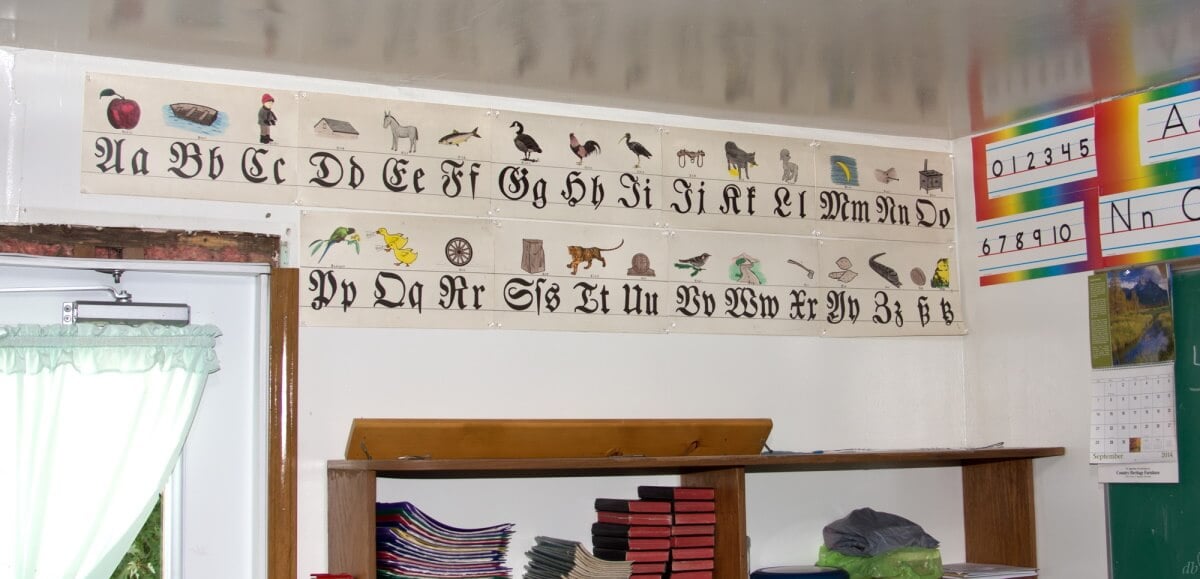
From my personal perspective, one con would be that students do not have the opportunity to learn particular areas outside of the usual basic subjects, such as music, art, etc.
Don: You mentioned something about the school board – how are they selected and what all do they do?
Laura: The school board is voted on by the parents of the school district. A board member will serve for two years I believe, and then be replaced by the next person voted in. They would take care of issues at school, interact with the teachers, lead out in the PTAs, help set up for events, etc. They are the “principal,” per se’, if there is one needed.
Don: The school is totally funded by the local church district, right – and there is no government money that comes in for expenses? So how does the district raise that money?
Laura: Yes. The church pays for everything – the building, the salary, the supplies, etc. There is no government involvement at all.
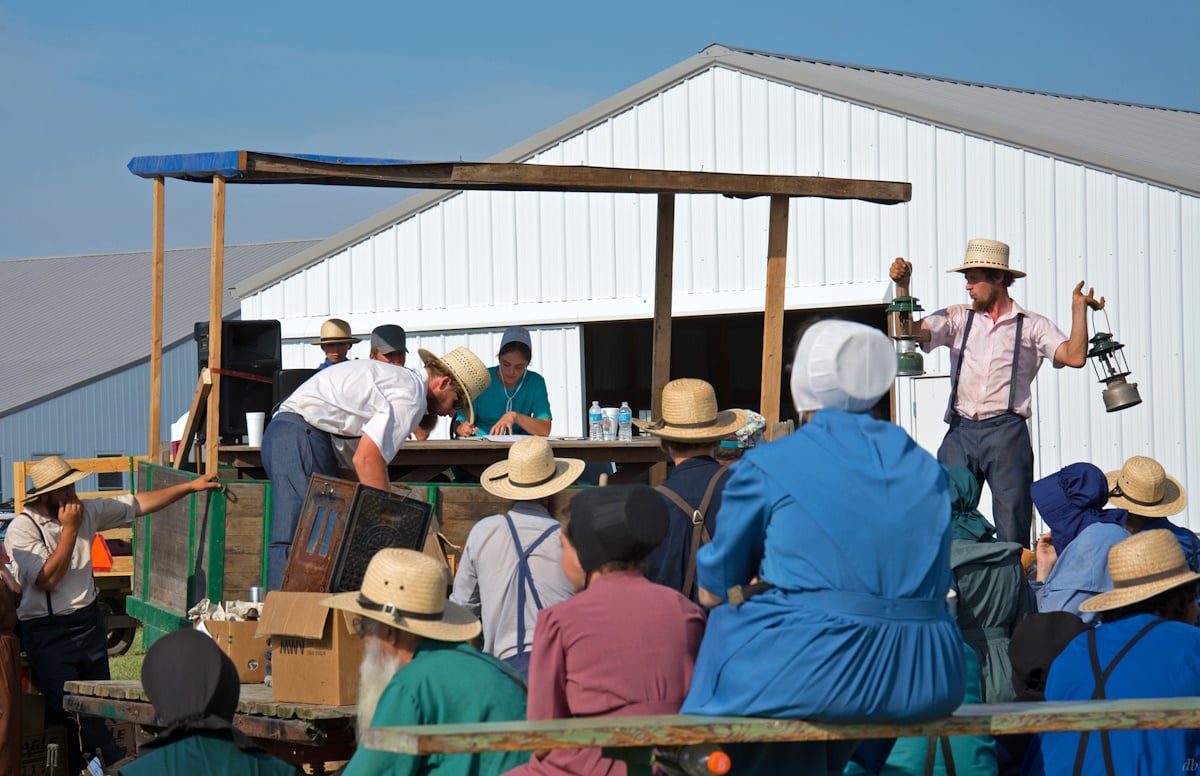
Typically there is a school tax that each parent pays depending on the number of students they have attending. There are some schools who will do a school auction or fundraiser to raise funds. It varies from school to school.
Continue with Laura: In Part 2 of this conversation with Laura Graber on Amish schools, we discuss German lessons, recess games like softball and fox and geese, report cards and discipline, school picnics and special traditions, and how an eighth-grade education prepares Amish students for life. Read Par


Beaver Run Road School
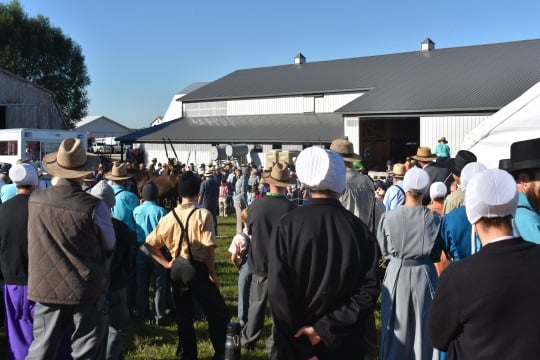
Beaver Run Road school, in the Danville, Penna. area has benefit school auctions,
twice a year.
One in the Spring, and one in the Fall.
I’ve attended this auction many a time, and always had an enjoyable time.
Be aware though that whether it be the Spring, or Fall auction it seems to usually
be very muddy on the grounds.
Somehow the weather seems to know to rain either just before, or during the auction.
A number of times I’ve returned from the auction covered in quite a bit of mud.
Lastly, this auction has many sections to choose from; Quilts & Crafts, Furniture, lawncare items,
field items, etc. Typically about five – six sections running at any one time.
Teaching Credentials
I don’t understand how anyone can teach school without having teaching credentials and a degree in education from a college or university whether or not it is a parochial school. It is all well and good that the Amish have their own parochial schools and plan on quitting school after completing the 8th grade, but can someone explain how they can legally have someone teach, who, in a non-Amish public school, would be considered a high school drop-out at the age of 16? If I’m not mistaken, in Pennsylvania for example, one can quit school at age 16, however, in 8th grade most students are about age 13, 3 years short of 16. Even if Amish children start school at age 7, which at least used to be the latest age at which someone must be enrolled in school, that still makes them about age 15 by the time they are in 8th grade.