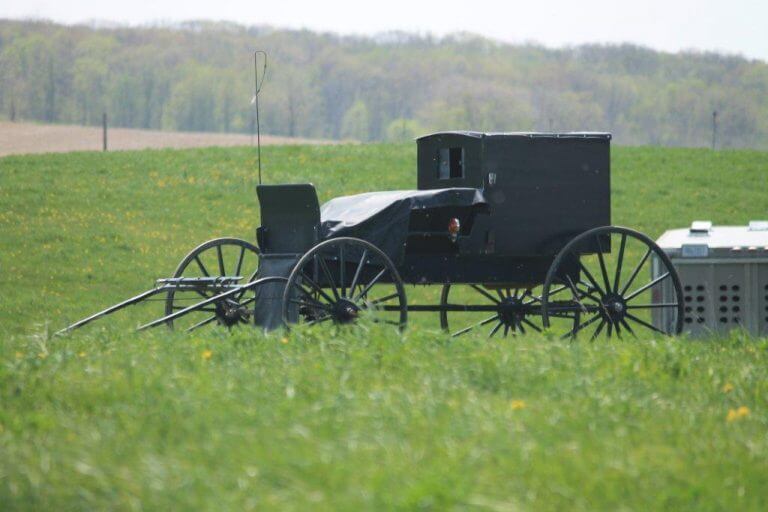
Missouri Has Gained 21 New Amish Settlements Since 2015 — More Than Any Other State
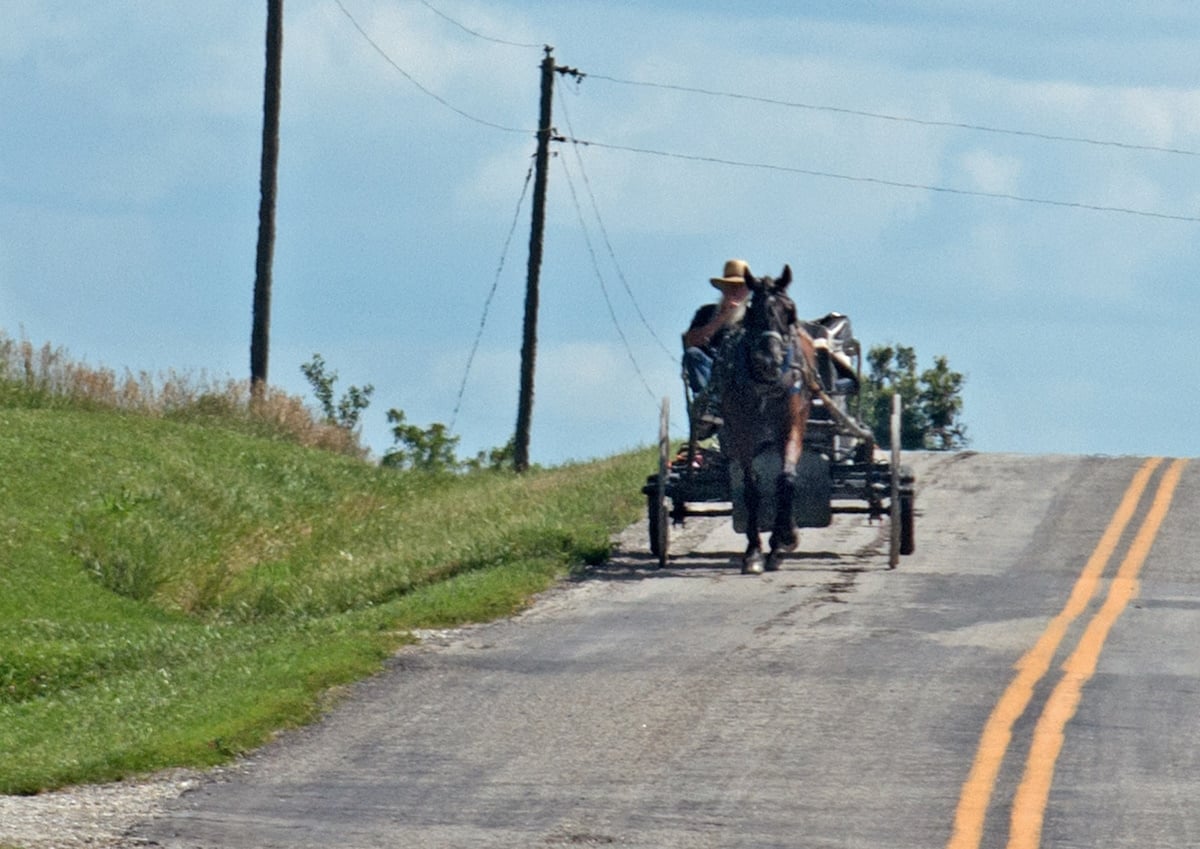
We pretty regularly feature posts on the Amish in Missouri on this site. So it’s probably no surprise to many readers that it is the #7 state when it comes to total Amish population.
In a new piece on Amish in the state, the Columbia Missourian draws attention to another noteworthy Missouri Amish statistic.
Namely, that the Show Me State has added more communities than any other in the years 2015-2025 (we don’t have the stats for the past year public yet). In this, Missouri just beats out Ohio (20) and Wisconsin (18), two other major Amish states, according to the Young Center figures.
Settlement number is one proxy for growth, but it ultimately measures distinct locations of the Amish, not the sheer number of people in the state.
But on that statistic, Missouri has also well outpaced the national Amish average, as we learn here:
According to the Young Center for Anabaptist and Pietist Studies, an estimated 18,375 Amish lived in Missouri in 2025. That’s an increase of 393% compared with the national growth rate of about 216%.
Steve Nolt, the director of the Young Center for Anabaptist and Pietist Studies at Elizabethtown College in Pennsylvania, said that despite slight variations in average Amish family growth between states, “I think a lot of that greater rate is because of migration.”
The piece describes the state as a “magnet”, and that’s pretty fair, averaging a bit more than two new communities per year over that decade.
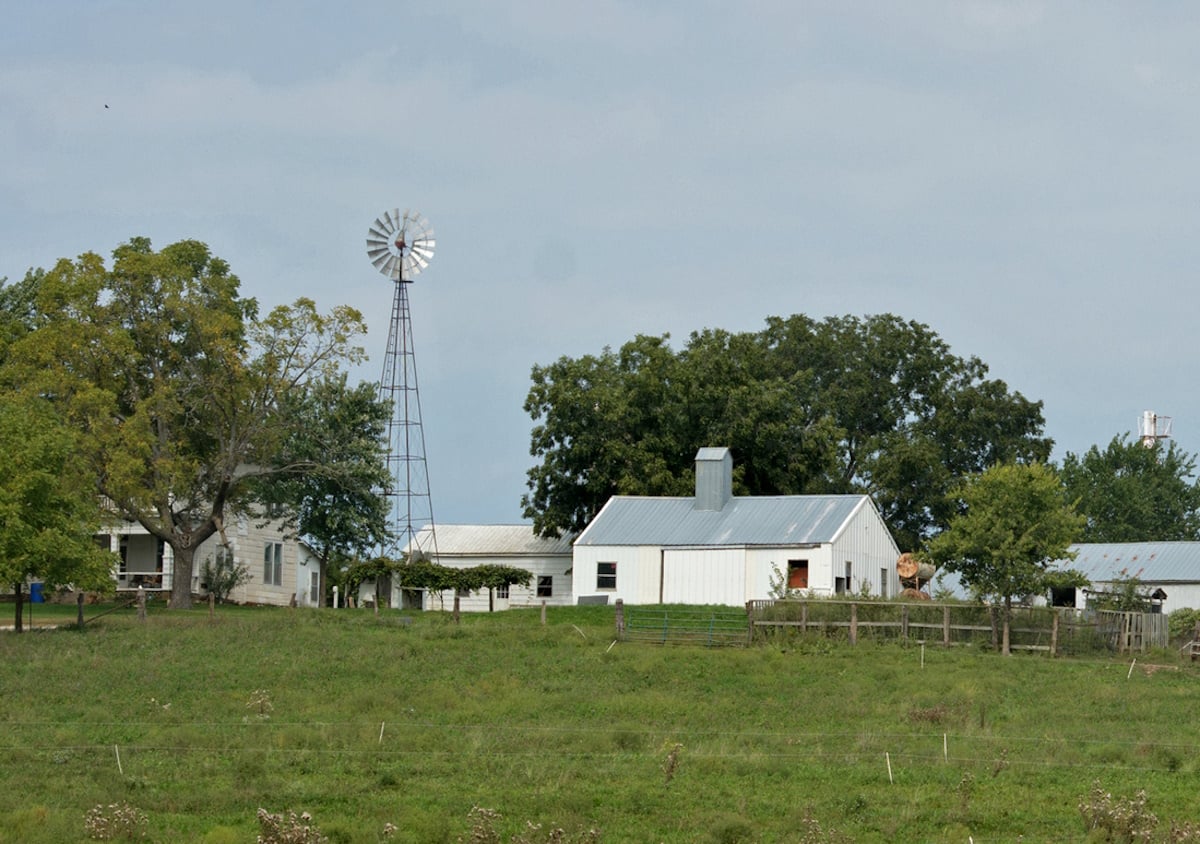
Why are the Amish choosing Missouri?
So just why are the Amish drawn to Missouri? Like most things, there is more than one cause:
Amish are flocking to Missouri from Pennsylvania, Ohio and Indiana to escape economic epicenters and church districts whose practices no longer align with their beliefs, to have more land to expand on and numerous other reasons, said Caroline Brock, an associate professor at the University of Missouri and an Amish lifestyle expert.
The absence of zoning regulations in rural Missouri, coupled with land affordability, large areas of for-sale land and religious preferences are driving the population growth in the state.
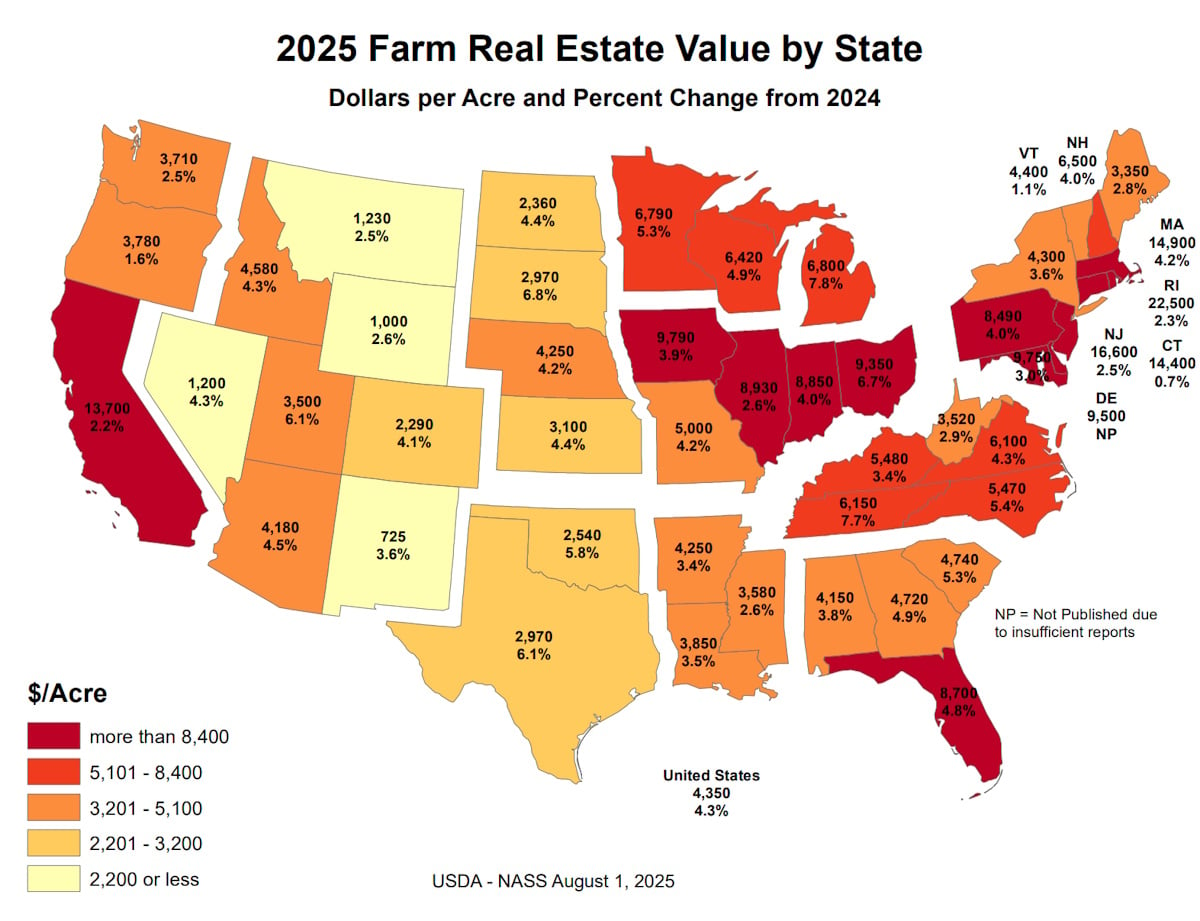
To take one of those, land affordability is a big one. The U.S. Department of Agriculture puts the average price of farmland in Missouri at $5,000 per acre, which is significantly less than in neighboring states like Iowa ($9,790) and Illinois ($8,930). The figures in Pennsylvania and Ohio are similar to those higher values. I’ve put the average price map below for comparison purposes:
Lower state real estate taxes also help here, according to Nolt. There’s another factor here too: regulations, or relative lack thereof – especially compared to more developed areas like Lancaster County:
Many Missouri counties do not have zoning regulations, which means those looking to construct new buildings are not restricted to a specific geographical district.
These relaxed regulations can be attractive to Amish settlements because they can then build homes, barns, storefronts and schools closer together without worrying about zoning compliance.
Ideological differences also come into play. Brock notes that Missouri may be seen as attractive as a place to establish or join a quieter, more conservative community – especially compared to those eastern settlements located nearer to urban areas.
The rest of the piece describes the economic activity of Amish in some communities in the state, as well as the focus on family – both growing it and nurturing it. All in all, a nice look at the current state of the Amish population in the Show Me State. Check it out in full here.
See also: