
Why the Amish and English Need Each Other — As One Rural County Discovered
A recent piece by Marjorie Struckle in Lancaster Farming does a good job profiling something that, across the nearly 700 Amish settlements in North America, I suspect is not too uncommon — a rural community where the Amish and their non-Amish neighbors have built something genuinely mutual.
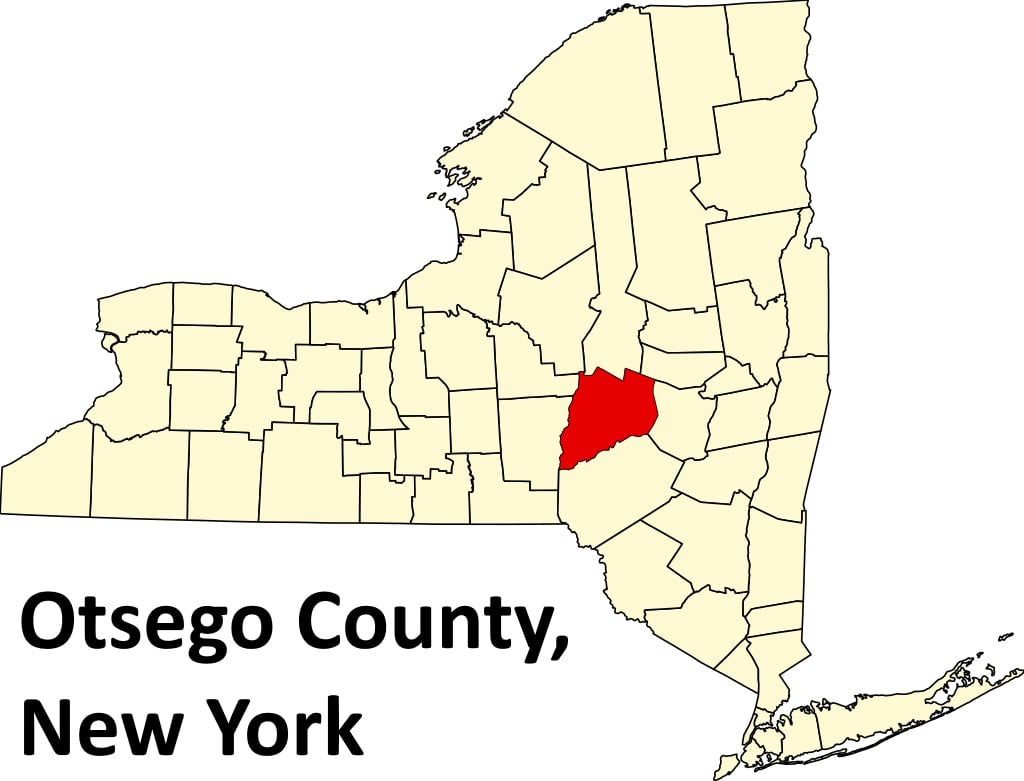
The setting is Otsego County in central New York. That county is home to a full three Amish settlements – one of which we’ve discussed here before (the Morris community).
Based on details in the article, it looks like this one is about the Richfield Springs settlement — home to several hundred Amish people, and where a group of Amish relocated from Delaware starting back in 2000.
Like in many cases where the Amish “come to town”, they settled into an agricultural area that had been quietly losing farming businesses for years. And it sounds like they have followed the Amish playbook, so to speak. They have revitalized farms and opened thriving small businesses.
And it seems the English and Amish communities get along very well, in mutually beneficial ways.
As a woman named Lydia Ann Miller, who has lived there over two decades, says, “This is a special area of the blending of the Amish and English which isn’t seen everywhere.” She calls the English “very accepting”, as the article puts it.
Amish Businesses Fill Gaps For The English Community
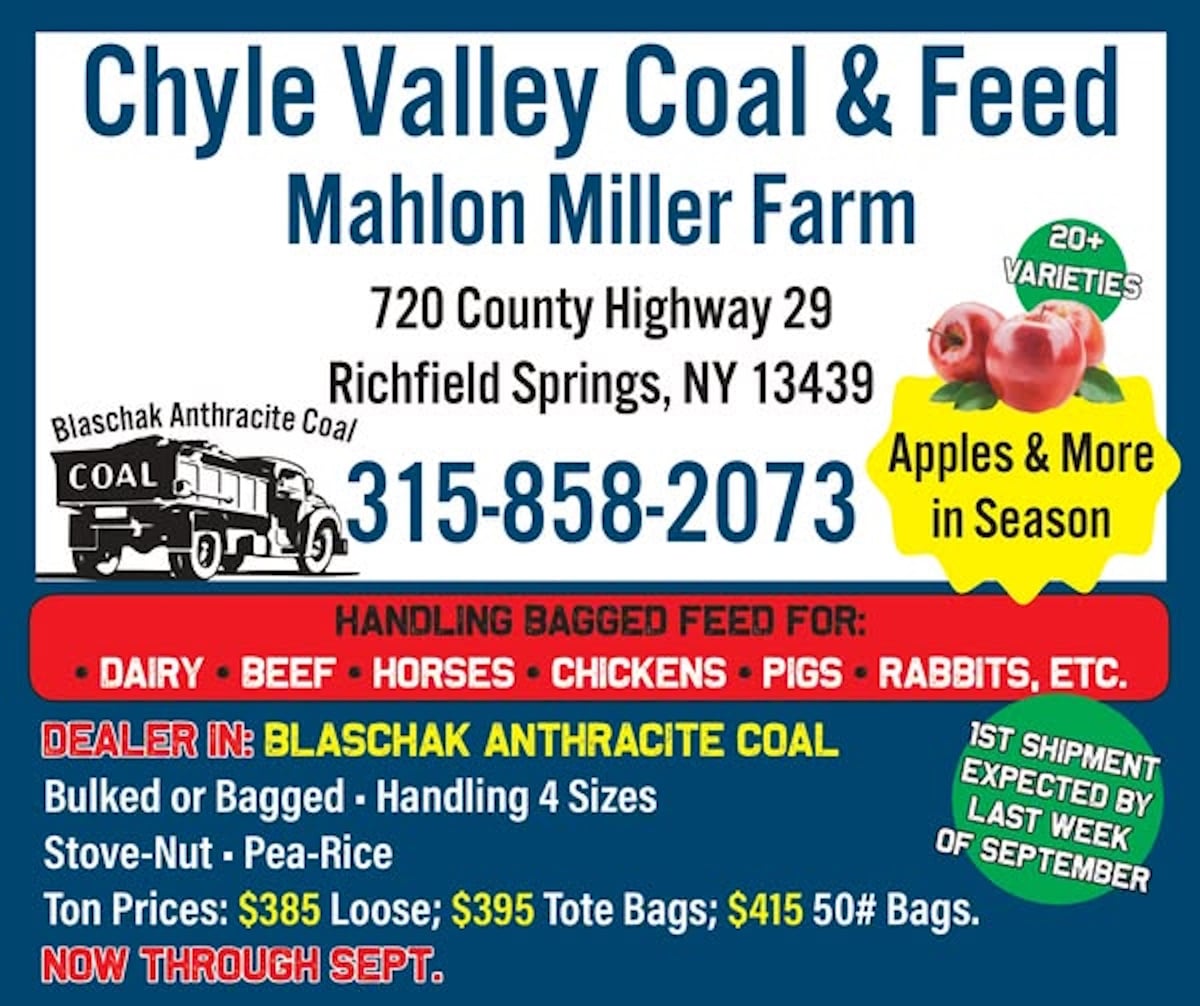
About those businesses: we get a look at several of them. Lydia Ann Miller along with husband Mahlon runs Chyle Valley Coal and Feed.
This filled a gap for locals, Amish and English alike. Without it, people would have to go a lot further for their animal feed and supplies.
Despite what the name might suggest, this business has more than just animal feed and fuel — they offer fruits and vegetables, honey and maple syrup, according to the piece. You can get a feel from this Chyle Valley Coal & Feed ad image I came across online:
An Amishman named Robert King provides heavy duty machine repair for the community, Amish and English alike. Here’s more:
The agricultural community often needs a nearby repair center. Robert King of Chyle Valley Repair meets those needs.
“I work on general repairs of engines, transmissions, and ACs of tractors,” King said. “I don’t do anything with tires.”
King works alone and concentrates on rental equipment and making hydraulic hoses.
“I have a fantastic relationship with the English,” he said. “I do 50 to 60% of my business with the English. The rentals go to all communities.”
Another one is a bulk food store, which both communities patronize – convenient for the horse-and-buggy Amish, but also saving English customers trips to more distant store locations.
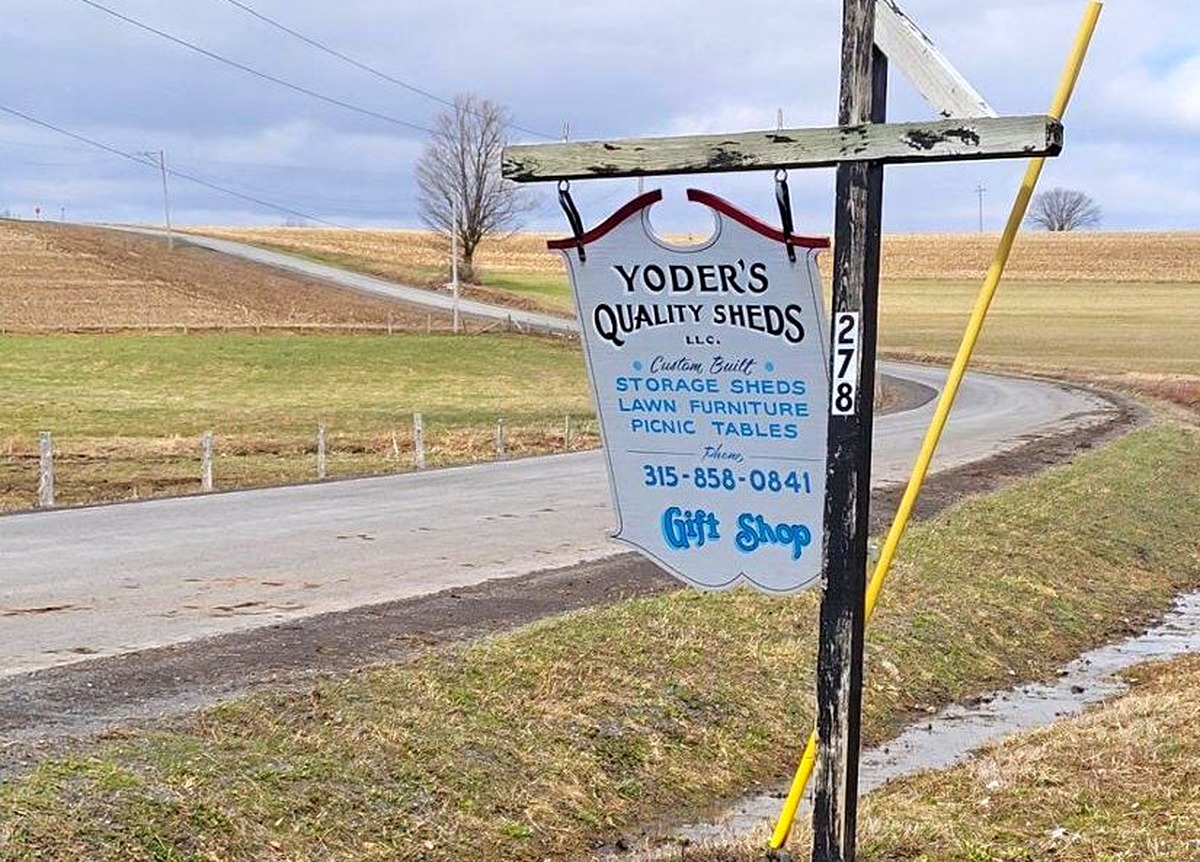
Besides those, a fencing business – Yoder Fencing – does livestock and horse fencing work not just locally but sometimes “great distances” from home. They also have a farrier, and a custom shed builder, who sells most of his sheds to the English.
How the English Help the Amish
The Amish bring a lot to the table with their businesses filling local needs. They are also quick to help the English community out when they need help after building mishaps, like structural fires or roof collapses. The piece notes that they “[show] up with material and labor — often without a charge.”
But it also captures how the Amish need their English neighbors. We’ve looked at this aspect before, in posts like Five non-Amish People the Amish Depend On, or in numerous local examples, like when the English in one community came together to aid a bishop’s wife, who lost her husband and son in a house fire.
Helping out takes much less dramatic forms in most cases. Transportation is a big one, with “Amish taxi” drivers among the English helping the Amish get to and from job sites, to doctor’s appointments, and moving their products to buyers.
When there are benefit auctions and dinners to pay medical bills, the whole community supports the efforts, donating items and money, showing up for food at benefits, and so on.
The two communities cooperate in other ways as well – a man named Doug Wolfe, who runs a farm breeding Holsteins, says that “We are involved with the Amish every day.” Others work alongside the Amish on building projects.
Part of a Broader Story
New York is now home to over 25,000 Amish across 60 communities, give or take, giving it the fifth-largest Amish state population in the country. Stories like this one from Otsego County are part of why that growth has gone as smoothly as it has in many places.
We’ve seen other examples of it as well in the state, such as in the Mohawk Valley area, another region that has seen Amish settlement for decades now.
This isn’t the case everywhere, of course, but I suspect it is more common to see such cooperation and mutual benefit between Amish and English locals, than it is to see situations where they fail to “get along”. In any case, the full Lancaster Farming piece has more detail than I’ve covered here, and it’s worth the read.


Amish and English Need Each Other
So nice to read about people actually getting along and benefitting from one another’s experiences. Thank you, Erik. You have just made my day. Blessings everyone.
Glad to hear it KD, and I agree!