“It’s Just Measles”: Minnesota Has Its Most Cases Since 1990; Most Are Among The Amish
“It’s just measles. Might as well get it over with.” That’s how one Amish man in Todd County, Minnesota described the outbreak in his community. According to a new report in the Minnesota Star Tribune, it’s a commonly held view among Amish residents there.
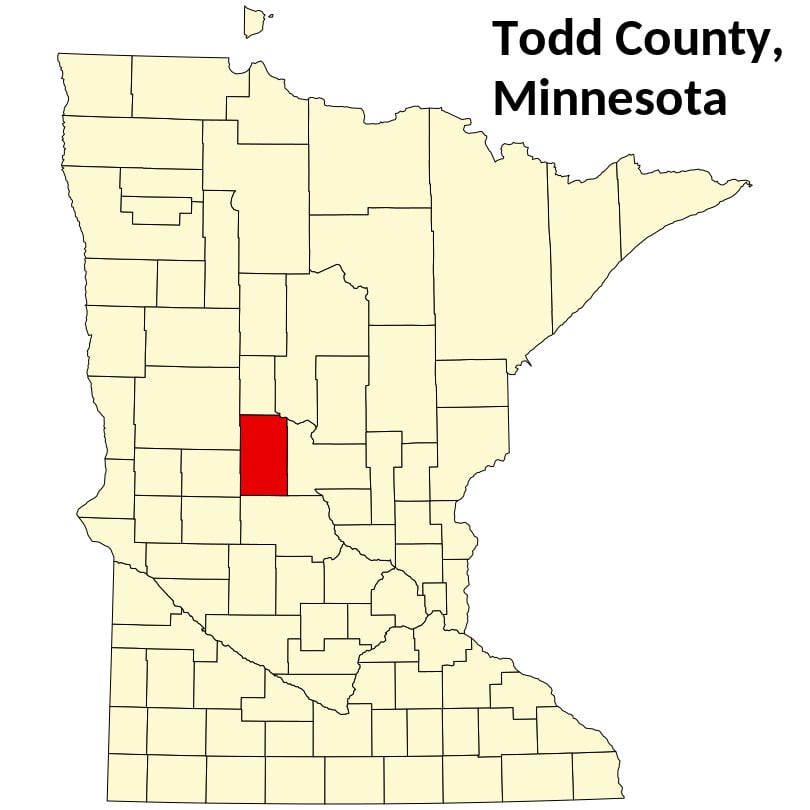
The cluster of cases in Todd County has now reached 136 cases – accounting for the bulk of the state’s 160 confirmed cases so far this year. That is its most since 1990, when the state had 440 cases, and three children from a Hmong immigrant community died.
The state itself hasn’t said who is getting sick. According to the Star Tribune, the Minnesota Department of Health has identified cases only by county, along with the fact that all but two were unvaccinated, because officials don’t want to “marginalize minority communities or suggest that other groups are safe.”
This seems to fit a pattern seen in other states where public health officials are reluctant to give specifics, for privacy or other reasons, on where outbreaks are happening.
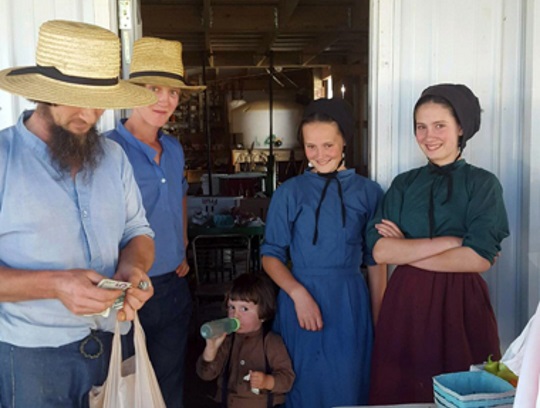
But the paper reports that the Todd County cases are “largely or entirely” among Amish families, and that Amish residents and a doctor confirmed in interviews that the outbreak has reached their communities.
Todd County’s Measles Patients Are Coming In “Miserable”
Reporter Jeremy Olson of the Star Tribune visited Amish families around the Long Prairie community – one of five Amish settlements in Todd County – and the hospital treating the worst cases:
“It’s just measles. Might as well get it over with,” said Emmanuel Schwartzentruber, who sells wooden chests and baskets from his farm west of Long Prairie, Minn.
Talk to the doctor treating the worst cases at Lakewood Health System’s hospital in nearby Staples and a much different perspective emerges.
“You usually think of measles with like fever and respiratory stuff, but these [patients] — there’s so much vomiting and diarrhea, and then the nausea and the mouth sores,” said Dr. Christine Albrecht, Lakewood’s chief medical officer. “They’re so sick when they come in. They’re just miserable.”
“Miserable” sounds about right, according to what’s described in the piece: Many of the Amish patients arriving with complications have been trying to treat dehydration by drinking water alone, which leaves them short on electrolytes. Some come in “panting and gasping,” the paper reports, because low electrolytes can affect lung function.
Only three Minnesota patients have needed a hospital bed this year, though that figure leaves out emergency room visits at Lakewood and at CentraCare’s Long Prairie Hospital. Albrecht said her emergency room is now treating anywhere from one to four measles patients a week.
An Amish Schoolteacher Brought It Back To Minnesota
The Star Tribune traces the outbreak to an Amish schoolteacher, according to a doctor who treats Amish families in the area:
An Amish teacher was infected during out-of-state travel a month ago and transmitted the measles virus to students, who then carried it home and infected siblings and others, said Dr. Paul Van Gorp, a semi-retired physician who provides a monthly free clinic and home visits to Amish families.
The teacher also visited her siblings who suffered infections as well, he said.
That vector of transmission in my view is to be expected: Amish people do travel long distances from time to time to visit other Amish communities, which would be about the most obvious pathway for the disease to spread across Amish communities in different regions and states.

Van Gorp said he’s gotten numerous calls from Amish residents asking what to do to treat it – but has had basically zero success in convincing members of the community to get vaccinated.
That’s in contrast to the response in other Amish communities, where community members have responded by getting vaccinated – the best example in my view still being the 2014 Ohio measles outbreak, where over 8,000 Amish people got vaccinated in the aftermath. The community in question here appears to be a Swartzentruber Amish settlement, so I’m not at all surprised they are sticking to the “tried and true” ways for dealing with disease outbreaks.
I hate to say it but the Amish in Todd County are achieving some degree of notoriety when it comes to uncommon but preventable disease outbreaks. A prior occurrence involved a much more dangerous disease, however: in 2005, a rare polio outbreak occurred among the Amish here as well.
Van Gorp also thinks the official count misses cases, since some Amish with milder illness are getting through it on their own at home, and never get tested. The state’s weekly count recently dropped from 58 to 21, but officials expect more Todd County cases to be confirmed.
What Amish Residents of Todd County Are Saying
The Star Tribune also spoke with a bishop in one of the county’s Amish communities – it sounds like this might be the relatively nearby Clarissa-area community:
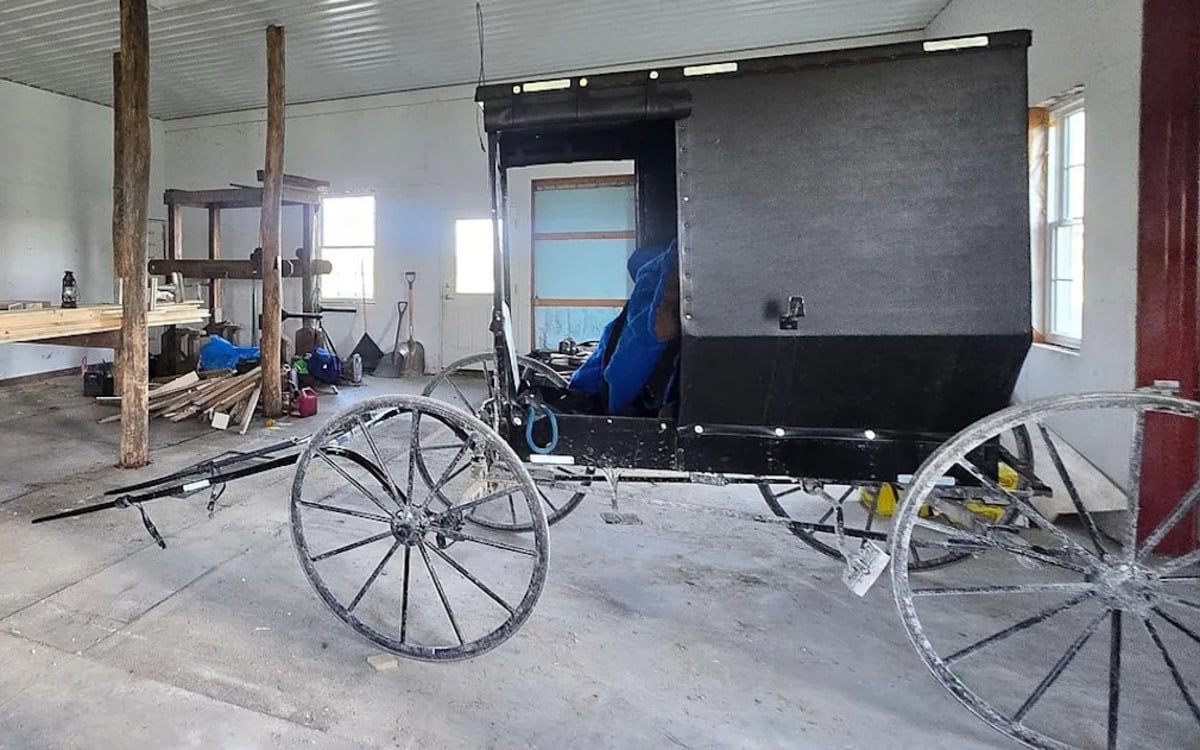
Levi Lambright, 55, is a bishop for his Amish community west of Browerville. He said vaccines aren’t prohibited, but many families oppose them based on their faith and family traditions.
“My parents didn’t get it,” said Lambright, who was fixing a wagon to continue with the harvest on Thursday. “And that’s what they taught us.”
Families are taking the threat seriously, he said, and isolating themselves to protect others. Lambright’s son recently traveled to a store where he was told to keep his distance because people there had been exposed.
Harvey Gingrich, a 24-year-old Amishman, told the paper he isn’t getting vaccinated and will take his chances with measles if it comes. He spoke the day of a large wedding near his farm and his family’s roofing business: “I don’t think any of the areas where these people came from were exposed to it,” he said. “But I guess we’ll find out.”
Measles Outbreaks Have Hit The Amish In Multiple States
Measles has hit Amish communities in several states this year. Virginia was among the first states where reports associated measles with the Amish community, with the VDOH warning the public in June to “stay away” from an Amish-run auction.
In Pennsylvania, Lancaster County Amish parents have described weighing vaccines, natural remedies, and trust in God, and a Lancaster midwife has sought permission to give measles shots in Amish homes amid an outbreak in the community.
In Ohio, the New York Times reported in early October that the state had logged 206 measles cases this year, with the most in three counties with large Amish populations: Geauga, Wayne, and Ashtabula.
And earlier this month, a 7-month-old Amish baby in Lewis County became New York’s first measles-related death in over 30 years.
The Star Tribune story ran a day after reports that the United States has lost its measles elimination status, held since 2000.