
Amish May Sue Minnesota County Over $50 Paper Filing Fee. Lawyers Say One Has Already Been Jailed
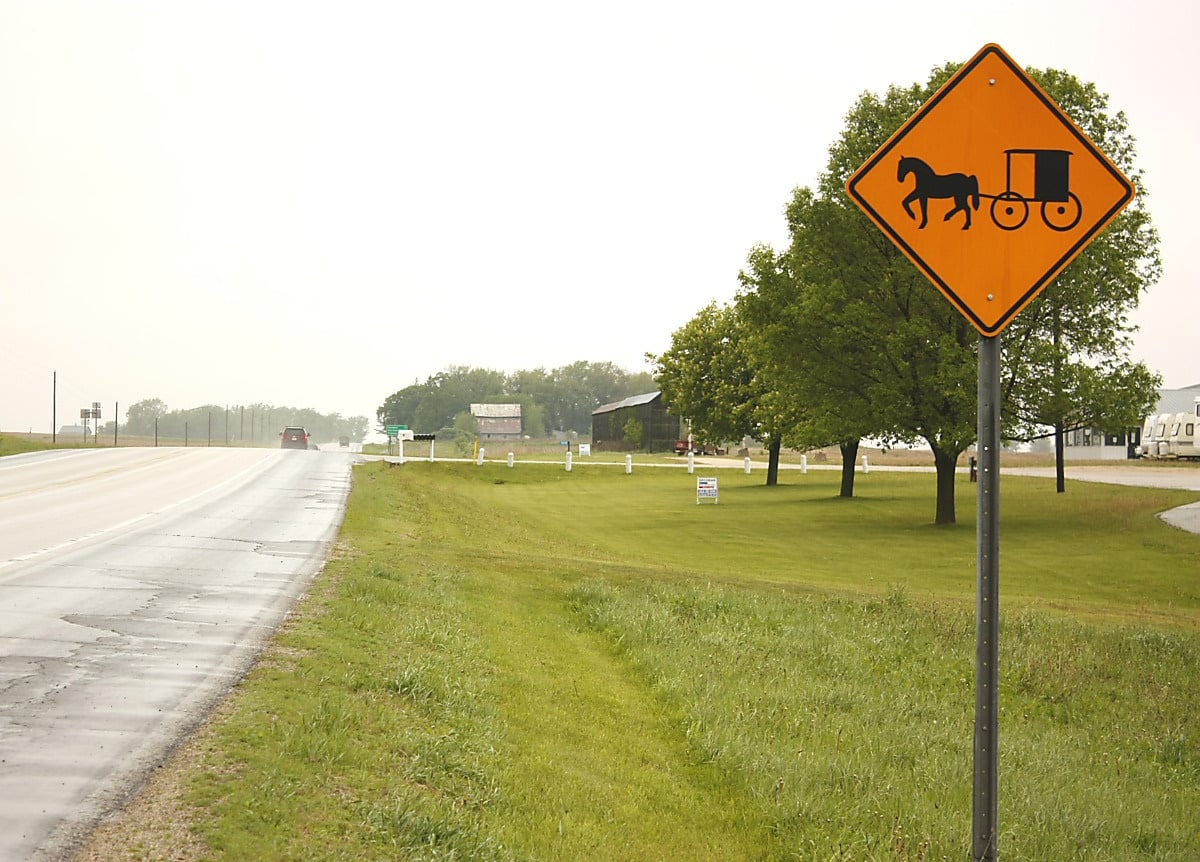
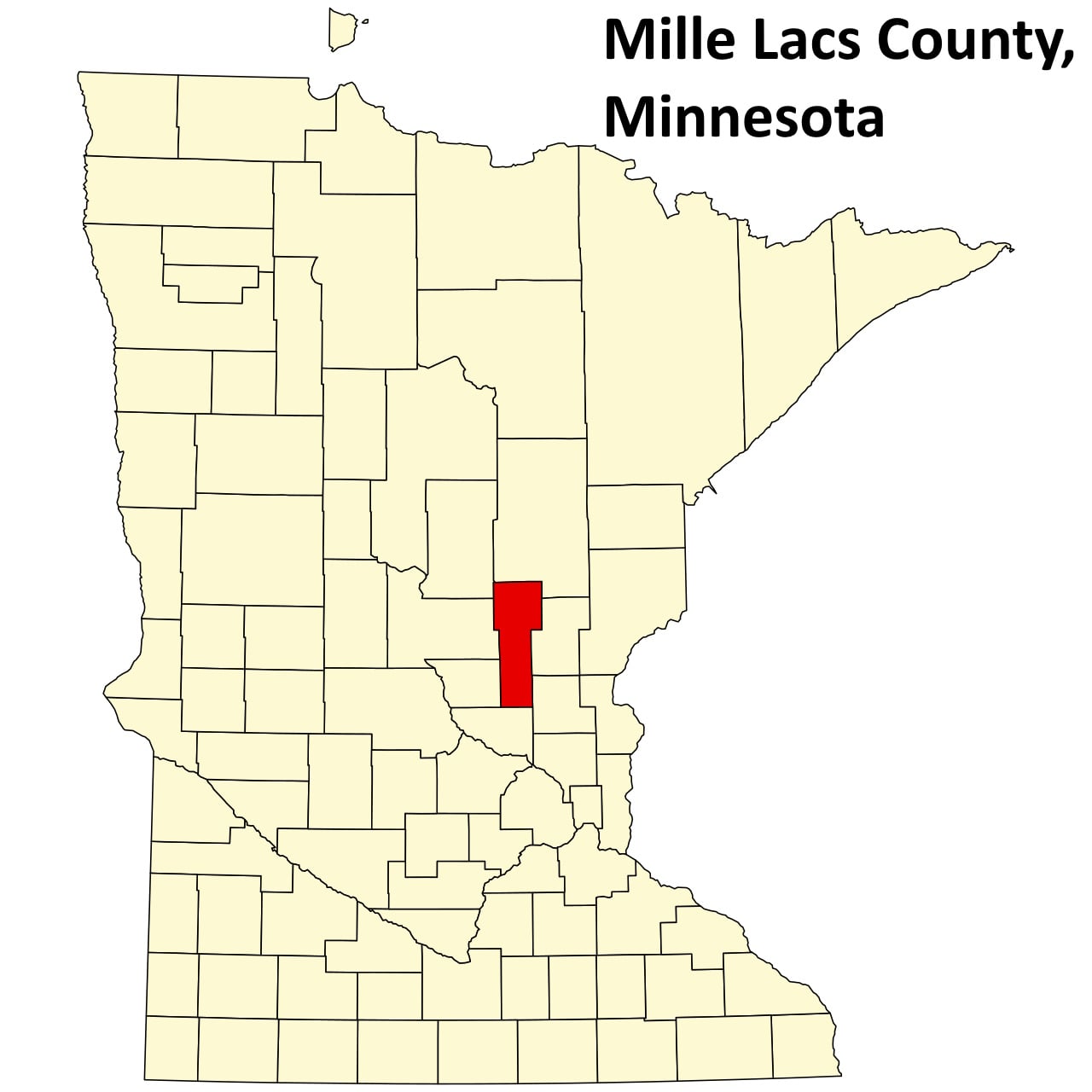
Two Amish communities in Mille Lacs County, Minnesota say the county’s building permit rules discriminate against their religious beliefs — and they’re threatening to sue if it isn’t fixed.
The complaint centers on one thing: the county moved its building permit system online. Old Order Amish generally don’t use computers, for religious reasons. But there is now a way for them to file using paper – though they have to pay a $50 fee.
However, lawyers representing them are saying that the county did not provide this option for months – and that the fee itself is unfair, since due to their religious convictions, they don’t have any other means to file without the fee. From the Union-Times:
A demand letter sent Aug. 24 on behalf of the communities by the First Liberty Institute, Foley & Lardner LLP and the Harvard Law School Religious Freedom Clinic argues the county’s building permit process and enforcement of building requirements place an unlawful burden on Amish religious practices.
The letter asks the county to work with Amish representatives to reach a resolution and avoid litigation.
Nothing I’ve seen says that filing online is free. It may or may not be, but regardless, the issue is the additional $50 paper filing charge.
Here we have another example of a group of Amish employing legal means to address an issue with the state. I’d imagine they were contacted by this group rather than the reverse.
Traditionally the Amish don’t actively pursue legal means of solving disputes. But as we’ve seen in other recent cases, outside legal groups have been eager enough to take on the Amish as clients, reaching out to them to represent them. The Harvard Law School Religious Freedom Clinic is representing the Amish for free here.
The Legal Team Claims Someone Already Been Jailed; Cites “Reports” Of Arrest Warrants
According to the letter sent by the firm makes some suggestions about “arrest warrants” and “incarceration”. We don’t have any specifics that I’ve been able to find, but here is one relevant passage:
We have learned of dozens of alleged zoning and permitting violations and criminal cases, as well as at least one instance of incarceration resulting from an inability to keep pace with accumulating fines and court appearances. We are likewise concerned by reports of outstanding arrest warrants.
And here’s another:
County officials have imposed procedural requirements that uniquely burden Amish residents and have pursued unusually severe enforcement measures, including seeking arrest warrants for minor zoning infractions.
Is this true that the county has been seeking to jail the Amish? I’m not saying it isn’t, but this legal advocacy group is the only primary source I can find claiming it.
It may very well be, but names of the incarcerated or those threatened by arrest – or in lieu of that, if privacy is a concern – even some general outline of details on what happened in the instance of incarceration and warrants would lend weight to this story.
As it is right now, it feels overly vague – especially the line “We are likewise concerned by reports of outstanding arrest warrants.”
More Details Emerge
It appears First Liberty’s attorney on the case, Ryan Gardner, has spoken further since the letter went out, providing more details, including in an interview with CBN News.
He now says the man was jailed for 30 days, and had reportedly been living in the home in question for about five years before he was cited. Gardner also says there are “several” warrants currently outstanding tied to the same citations.
He notes as well that this matter concerns about 40 families across the two communities. Mille Lacs County actually has three separate Amish communities. I’m assuming the third is a more progressive group and thus not facing the same issues as the other two.
Gardner says previously there was a paper option, but that the county switched to online-only around the time of COVID-19 – and with no other way to get clearance, a lot of families just built anyway. He also gives more detail on the jailing:
Gardner said officials have been so hard on the Amish that they even put one man in jail “for the crime of building and living in his home.”
“This particular individual had been living in his home for something like five years and then, suddenly, he’s criminally cited for it, and he goes to court, and he’s convicted,” the lawyer said. “And he is … immediately taken to jail.”
Mille Lacs County was also asked about the case directly by CBN News, and its response was that “lawyers cannot comment on ongoing cases.”
Another Issue: Non-Compliance With Building Code
Another problem here is one that’s come up before: a community whose traditional building practices conflict with local building codes. Often this has to do with matters related to waste disposal or electricity. But the report, and the letter as well, are vague on what the actual issues are. This is from the Union Times piece:
The demand letter also argues the county has refused to issue permits for some Amish construction projects unless builders comply with building code requirements that conflict with their religious beliefs.
Many Amish communities use simpler building materials and limit the use of electricity and other modern technologies as part of their faith.
The letter from Harvard Law School Religious Freedom Clinic doesn’t really add much if anything at all on this point.
What the County Says
County Administrator Doug Hanson pushed back, in a broad sense:
“The county’s zoning and permitting requirements are intended to be applied consistently to all residents and property owners, regardless of religious affiliation,” Hanson said.
“The county also seeks to administer its ordinances in a manner that respects sincerely held religious beliefs while fulfilling its responsibilities under state law and local ordinance.”
He also said staff enter paper applications into the county’s system by hand:
“Applicants who do not wish to submit electronically may submit a paper application. County staff then enters the information into the county’s electronic permitting and records system. The administrative processing fee associated with paper applications is established in the county’s adopted fee schedule and applies to all applicants choosing that method of submission, regardless of religion.”
The letter asked for a response by September 8. As of September 17, the county says it’s still reviewing the matter. No meeting has happened yet.
Overall, I have to say that this story leaves some questions; the letter provided by the Harvard legal side doesn’t really satisfy my curiosity as to what’s been going on here. Gardner’s interview does fill in some gaps, with some detail on the jailing, although he is the only source there.
This isn’t the first religious-liberty-framed fight over building or land use rules for Amish in Minnesota. Four Swartzentruber Amish men in Fillmore County spent years challenging the county’s gray water rules before Minnesota’s Court of Appeals ruled in their favor in 2023.
For now, the requested response date has passed, but no lawsuit has been filed in Mille Lacs County.

Be a journalist!
Arrest warrants and court smelled are public data. Maybe go find them?
Oops
Court convictions
Hmm. Sometimes I do look up court records, sometimes I don’t.
No names have been made public on the Amish side, as far as I know, which may be how they want to leave it.
So I suppose I’m just a “blogger” on this one 😉
Die Privatsphäre der Amischen
Die Privatsphäre ist unantastbar, und das muss man natürlich respektieren!
Maybe English is more clear?
Here is what I found when googling unanstasbar:
AI Mode ConversationYou said: unantastbarunantastbar Unantastbar is an Italian punk rock and Deutschrock band formed in 2004 in Vipiteno, South Tyrol.Band OverviewGenre: Punk rock, street rock, and Deutschrock.Origin: Brixen/Vipiteno, South Tyrol, Italy.Active Since: 2004Members: Joachim “Joggl” Bergmeister (vocals), Christian “Heiss” Heiss (guitars), Thomas “Tom” Conrater (guitars), Mathias “Spitzi” Speranza (bass), and Florian “Schkal” Wieser (drums).History & CareerFormation: Inspired by 1980s Oi! and punk movements, the group built a dedicated following across German-speaking Europe.Breakthrough: Their 2011 album Schuldig entered the German album charts at number 33, expanding their reach to major festivals.Recent Releases: Over a career spanning more than two decades, they have released multiple chart-topping albums, celebrating their 20th anniversary with the live album Wir leben laut – Live and studio projects like Für immer wir. You can check out their official updates and announcements directly on the Unantastbar Official Website.Listen to the track “Rebellion” by Unantastbar:2:59Rebellion25K views · 6 years agoYouTube · Unantastbar – TopicWould you like to know more about their discography, specific album details, or upcoming tour dates?Napalm RecordsUnantastbarUnantastbar is a punk rock band from South Tyrol. They have a loyal fan base and have placed five albums in the top five of the German album charts over their 2…Unantastbar SüdtirolUnantastbar – Punkrock aus SüdtirolOffizielle Homepage der Rockband Unantastbar aus Südtirol.
No Options
I think the matter might rest on something like this: For people who use computers, filing via paper is a second option. It does entail extra work on the part of the agency (but I wonder what those people get paid for, anyway, as it doesn’t take that long to enter information into a computer). However, for the Amish who don’t use computers, there is no second option. They MUST use paper filing. Thus, the extra fee is unfair. One group has two options for filing, while the other group does not have a second option. I think this is the approach that might be good to use legally.
There is another option for the Amish. They can go to the local library and use their computers free of charge. I’m sure the librarian would offer assistance. They also have “English” drivers who might be willing to help. Many Amish and Mennonite businesses add an upcharge when paying by debit or credit card, so why are they so upset when others charge them? Just my opinion.