
An Amish Thanksgiving (Part 1): How The Amish Say “Thank You”
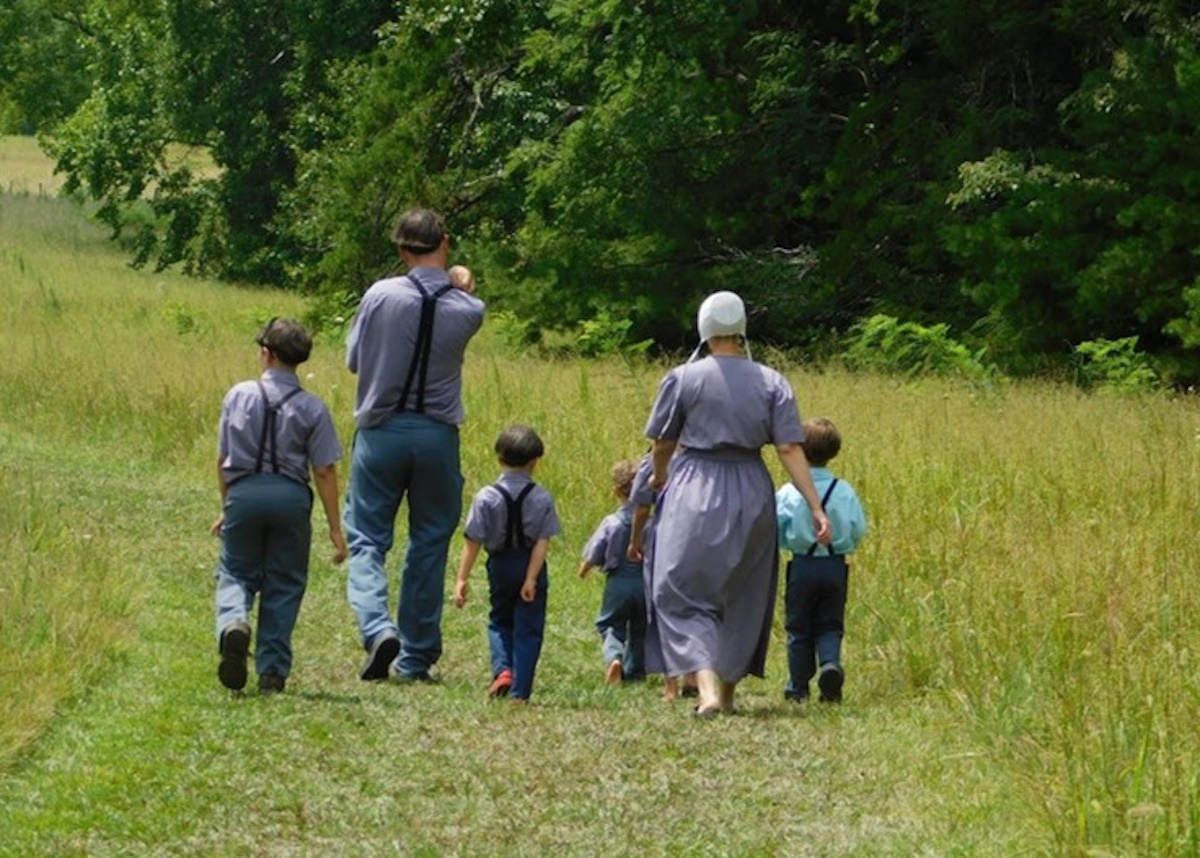
This story is part of a three-part Thanksgiving series exploring how the Amish express gratitude—not through words, but through action. In this first reflection, author and Amish taxi driver Haley Straw shares what she learned about quiet appreciation and the surprising ways the Amish say “thank you” without ever saying a word.
A half-hug, a basket of produce, and a lesson in gratitude—the Amish way
Have you ever known someone who’s “touchy”? A person who hugs freely, or rests a hand on your shoulder while talking? I’m that person. I show affection through touch and words. The Amish, however, do not—and of course, they’ll never tell you so directly.
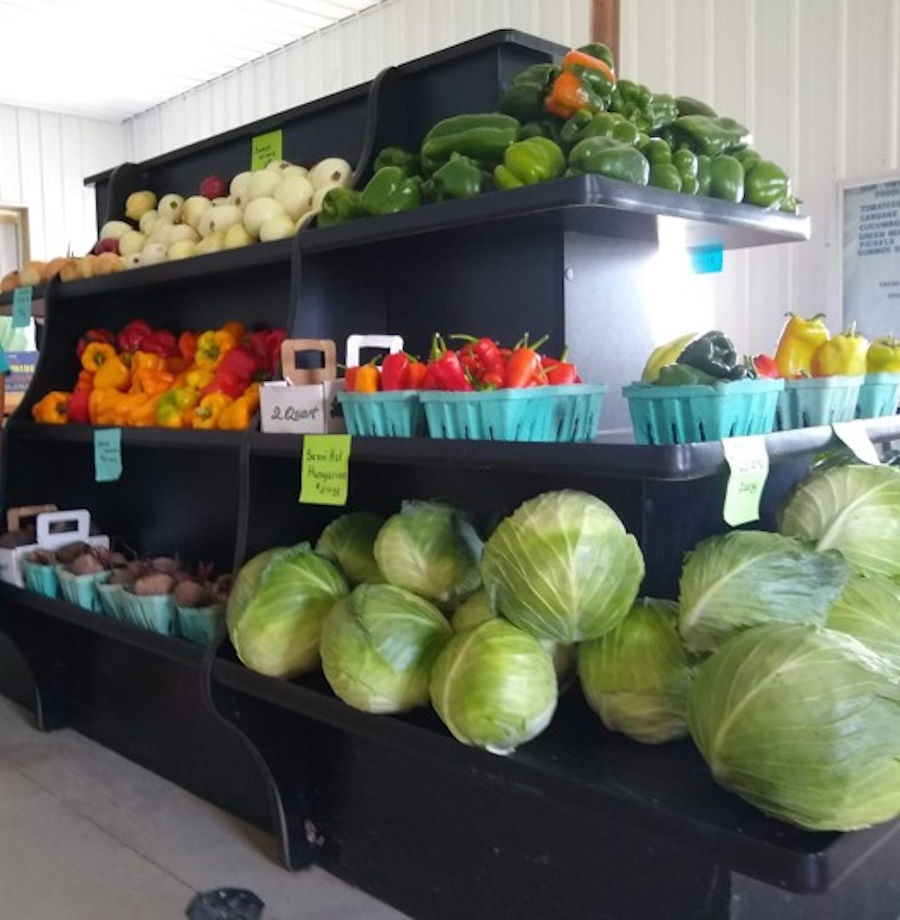
Much of my family’s food comes from the Amish. They sell garden-fresh produce, raw milk collected twice a day, raw cream (which I churn into butter), free-range eggs, raw honey, homemade jam, and bulk goods in their small stores.
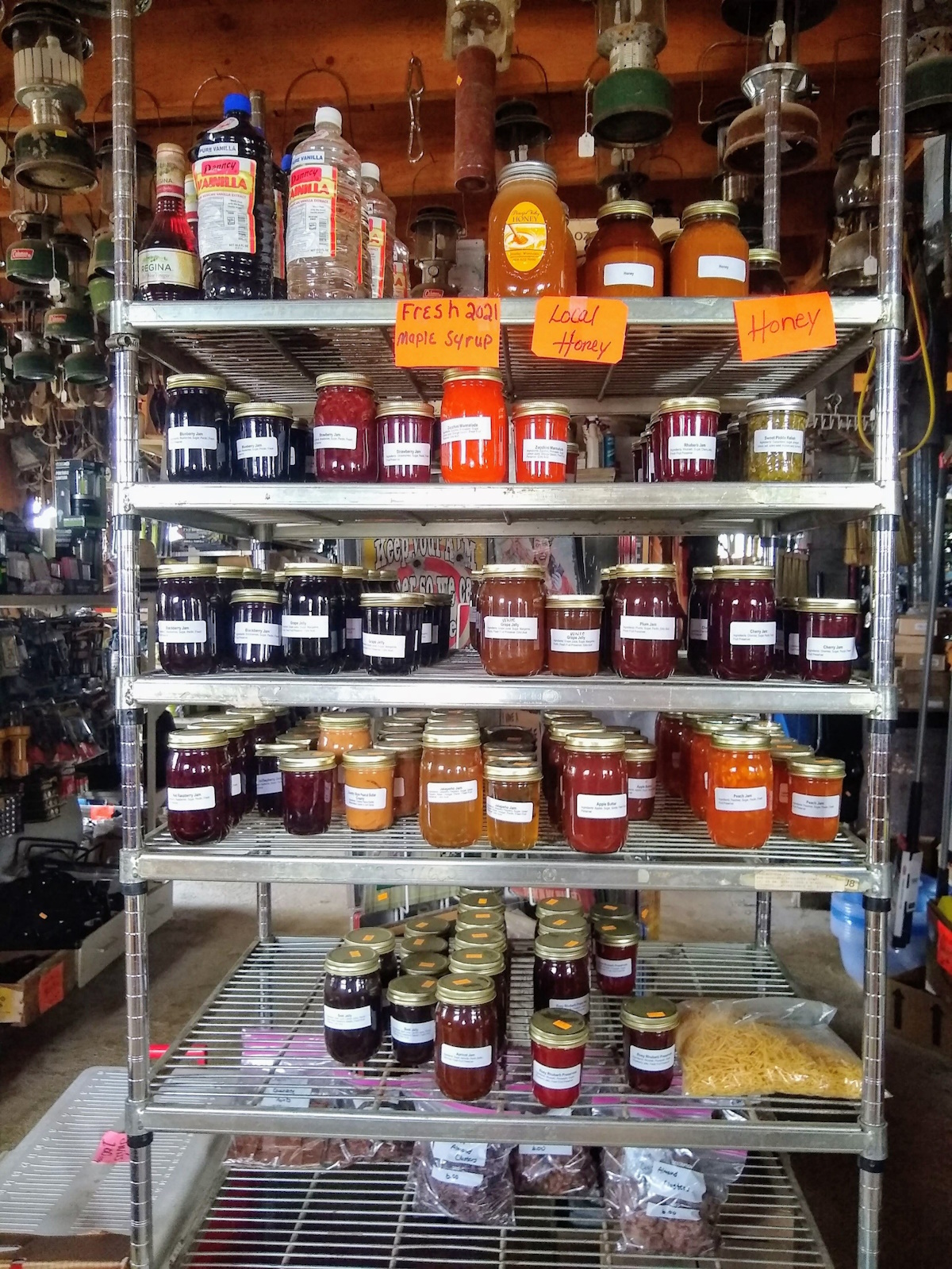
Over time, my friendship with them has deepened through many everyday exchanges—buying, selling, chatting at the counter.
One day, my friend Naomi asked if I’d make twenty copies of a school program her daughter had prepared for their one-room school. I was happy to help and stopped by later that week to drop them off. She offered to pay me, but it hardly cost anything, and I wouldn’t accept it.
When I turned to leave, she followed me out to my truck—and to my surprise, began loading my arms with produce from her greenhouse as a thank-you. Without thinking, I slipped an arm around her shoulders in a half-hug.
She froze. Stiff as a board. Then, without a word, she briskly walked away.
I stood there bewildered, realizing I’d crossed an invisible line. Apparently, that was not the right way to say “you’re welcome” in Amish culture.
Since then, I’ve learned to ask before hugging my Amish friends—and often, to express gratitude in a more reserved fashion. One friend, Lydia, told me, “It’s just the way we were brought up.”
She hugs her children when they’re little, but her sons “don’t like that stuff now.” She said it without sadness—just matter-of-fact, as if affection were something meant for childhood, not adulthood.
I once asked her about affection between husband and wife. I’ve seen Amish couples greet each other with a simple “hi” after a long day’s work, nothing more. She smiled and said, with emphasis on the “no,” “No, we don’t do that.”
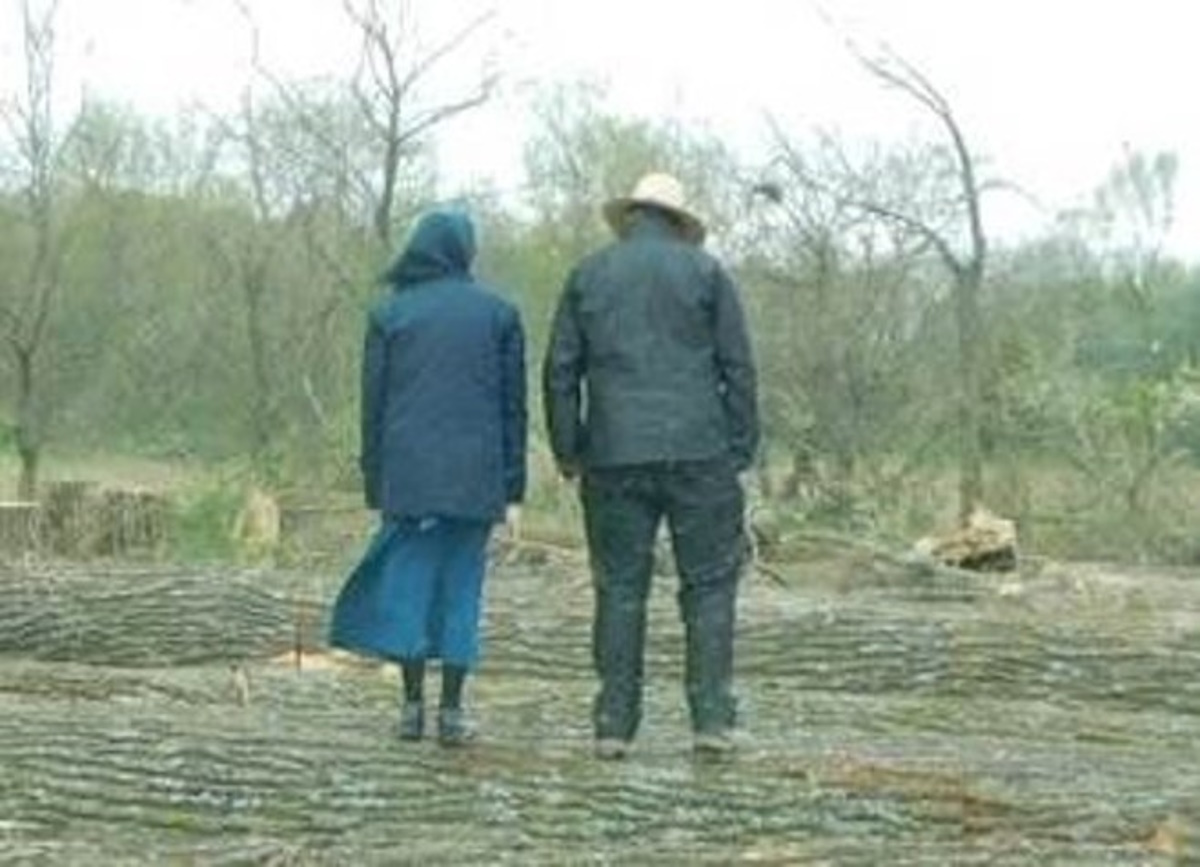
When I mentioned how one couple I drove said goodbye to their son and eleven grandchildren with only handshakes, she nodded. “When I leave my parents,” she said, “I don’t even shake hands with my dad. We just say bye.”
To most Amish, love isn’t proven by touch or words—it’s proven through faithfulness, loyalty, and service. To flaunt feelings would feel boastful, even godless. Gratitude is expressed through actions: food, help, gifts, or hard work.
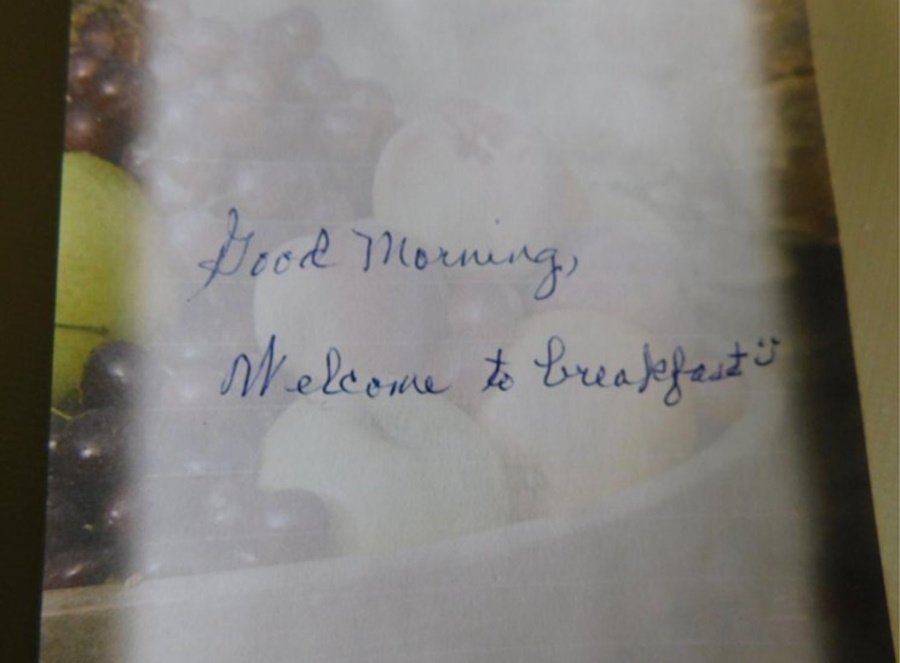
And I’ve been on the receiving end of that gratitude many times. My Amish friends have given me maple syrup, birthday cards, kitchen items, hand-sewn gifts, and home baked goods. They’ve shared garden produce, bought me dinner, and helped me when I needed it most.

Once, when my children and I were visiting an Amish family, their little girl brought my daughter Violet an old kapp that had been hers as a toddler. It was handmade by her mother—a keepsake she passed down with pure joy.
Another woman shyly admitted she’d bought rubber balls as gifts for my children to play with. As we prepared to leave, there were hugs, laughter, and warmth that filled the whole home.

There’s a verse that says, “The person who sows seeds of kindness will have a perpetual harvest.” I’ve found that to be true among my Amish friends.
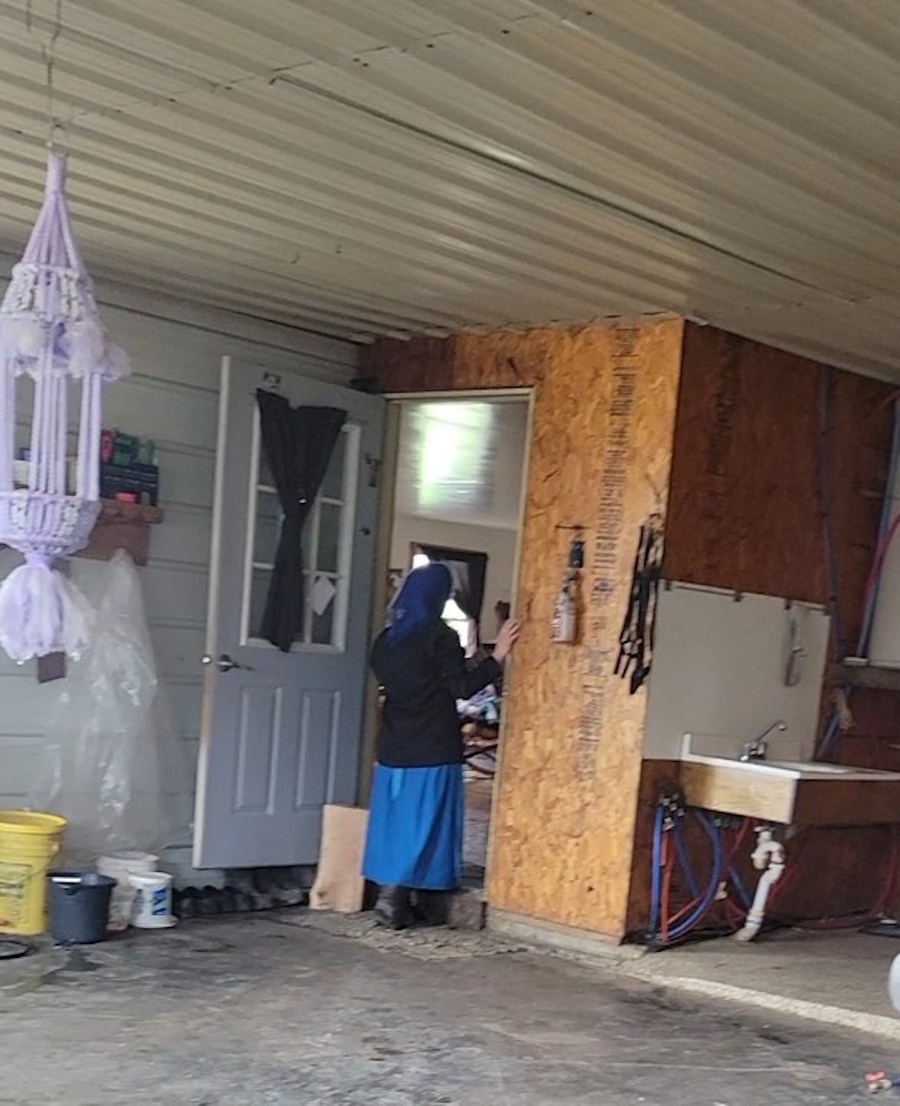
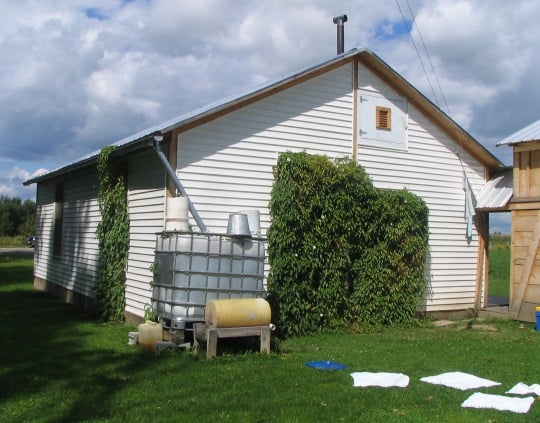
And while most of them aren’t comfortable with hugs, there’s one who always makes an exception—Lena, the “egg lady.” She runs a bakery from a small washroom on the side of her home, and every time I visit, I’m greeted with a warm embrace.
Between us, we have seventeen children. We laugh about the chaos of it all, and our differences melt away. We’re just two mothers doing our best.
So maybe this Thanksgiving, instead of saying thank you, you might show it—by baking, delivering, or making something for someone else. A pie, a loaf of bread, or a basket of garden produce.
Because in the Amish way of thinking, gratitude isn’t spoken.
It’s lived.
Haley Straw is the author of Tales of an Amish Taxi Driver, a collection of true stories from her years driving Amish families across the Midwest. She lives in rural Missouri, where she continues to learn from and write about her Amish friends and neighbors. Her upcoming Thanksgiving-themed cookbook celebrates the simple, heartfelt dishes and traditions she’s gathered along the way. You can find her books and free Amish-inspired extras — like printable calendars and bookmarks — at haleystraw.com.


Amish and Thanksgiving
Wow! What a beautiful and powerful story. Thank you, Haley. Must admit I envy you a wee bit. If only I could make the move to Amish country myself. I knew a Mennonite family many years ago. Their 3 daughters (teens at the time) were the exact opposite: very “huggy” with their female friends. Think they got it from their mother as she was the same way. Sadly, she passed away this past January. What a warm and loving lady she was. I’m sure she’s been dearly missed.
Grateful for Your Kind Words
K.D., thank you so much. It truly is a joy to share these stories from the road. I understand that longing for country life—after spending most of my years in a big West Coast city, being out here feels like home, much more peaceful.
Your memories of that Mennonite family sound lovely. From what I’ve seen while driving, different groups—and even different families—show affection in their own ways. Generally, the older or lower-order the community, the more reserved they tend to be. But there are always exceptions, just like the family you knew. Thank you again for reading and sharing a bit of your story.
I’m not sorry to inform you that you are wrong. I am Amish and we give hugs all the time. My brother lives in another state and we would never leave without giving hugs. Believe it or not we even say I love you before hanging up the phone and send a good night text on our family text thread. Please don’t throw us all into the same basket. We don’t “ classify” all non Amish or try to write “stories” about your lifestyles. I find it offensive.
Maybe, they're old Omish?
Old Omish and New have different ways.
their own way
Exactly, Benjamin—each community really does carve out its own path. From what I’ve seen on the road, the older or lower order districts tend to be the most reserved in showing affection, and the more progressive districts often express themselves more openly. There’s a wide range, and that’s part of what makes learning from each community so meaningful.
Thank You for Sharing Your Perspective
Km, thank you for taking the time to comment. I do appreciate hearing from someone inside the culture—I know Amish communities can differ widely in their practices. It sounds like your family is close and expressive, and that’s a beautiful thing.
My writing is based on what I observe while driving among the groups here in Missouri, many of which are older or lower order. They tend to be more reserved, so that’s the lens I was speaking from—not as a blanket statement about all Amish everywhere. I apologize if it came across that way; that wasn’t my intention.
And yes, if your family uses texting, it tells me you’re likely from the New Order or a more progressive district. I tease my Amish passengers about writing a book about their experiences with taxi drivers — some of the stories they have shared with me are downright unforgettable.
Haley — I enjoyed reading this post and look forward to more. I have a question
I have had much contact/visits with Amish in two very conservative communities for 15+ years. A few times during these 15 years, I have given gifts at appropriate times (terminal illness, accident, death in the family) I have given small gifts (mainly food) to different families I knew, and each time they later gave me gifts in return — one time the father in the family immediately offered to pay me for some fruit I gave them. Have you experienced something like this also?
Give and receive
Al, thank you so much — I’m glad you’re enjoying these stories. What a blessing those exchanges must have been. Yes, I’ve experienced something similar. Whenever I’ve shared from my own abundance, the Amish often try to give something in return, or even pay me for it. Part of it is simply who they are — they don’t like to feel indebted, and generosity is woven right into their way of life.
In my case, being their hired driver adds another layer. They feel like they ought to pay me, even when I’m just trying to be kind. At times in situations of need — if there’s been an accident, or someone has passed and family needs to be notified, I’ve driven without charging them.
Those moments of mutual care — yours and theirs — are some of the sweetest parts of living close to an Amish community, aren’t they?