
Zoloft, Holistic Treatments, A Possible Genetic Disorder: Experts Piece Together What Drove Amish Mother’s Deadly Breakdown
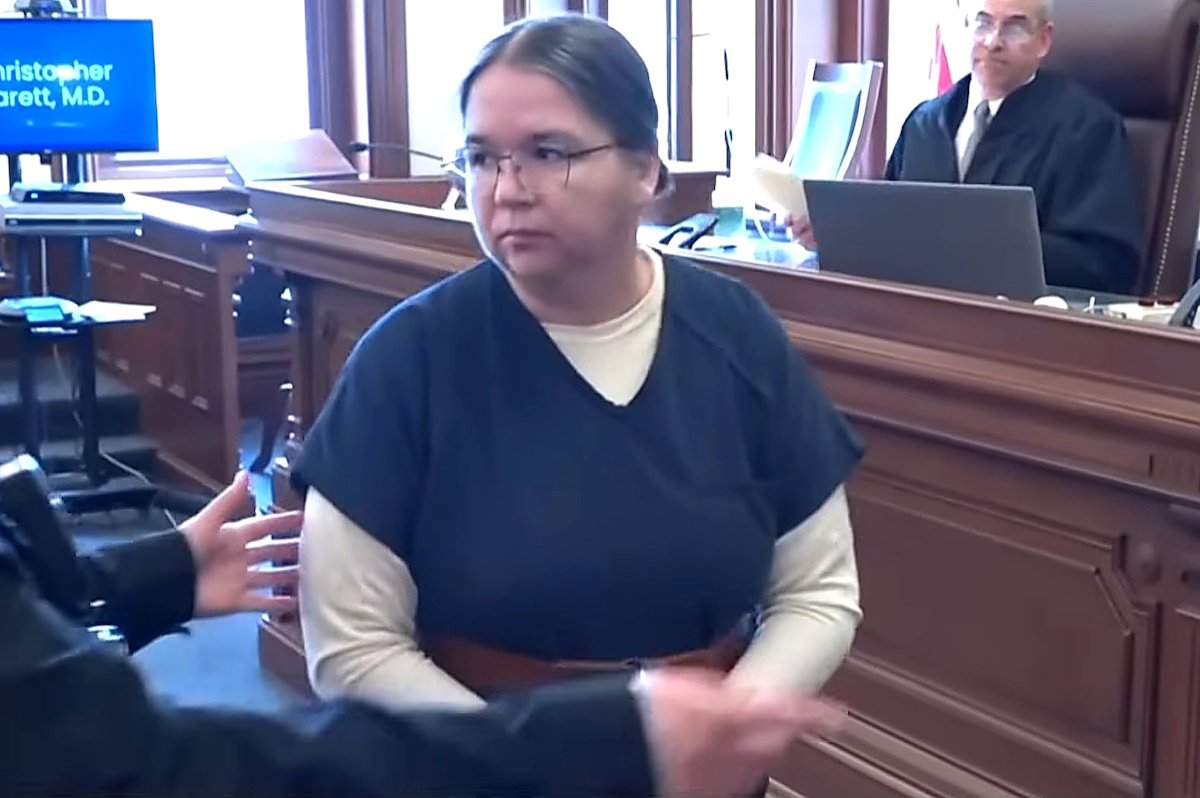
News came out a little over a week ago that Ruth Miller would be committed to a psychiatric hospital following a not guilty by insanity verdict in the death of her 4-year-old son Vincen.
A follow-up report at Farm and Dairy draws attention to the expert testimony provided leading up to Judge Michael Ernest’s decision to send the Amish mother to a secure mental healthcare hospital.
Based on the nearly two-hour-long hearing (full video at bottom), it gives a good summary of where the experts agreed – and where they offered alternative explanations for Ruth Miller’s deadly behavior last August.
In essence, the four experts called to provide testimony – some in court and some via feed – agreed that Ruth Miller’s treatment prior to the deadly incident failed. But as suggested in our post, they don’t completely agree on what was driving her condition.
What the Four Experts Agreed On
The experts, as noted in the article, agreed on the general contours of Ruth Miller’s situation:
- Ruth Miller had a complex and severe mental illness
- Her illness was improperly treated
- It had been worsening over time
They did offer differing testimony on just what that illness was, and what may have been involved in exacerbating her condition, however.
Where the Experts Differ
The experts offered differing analyses of what may have driven Ruth Miller’s behavior at Atwood Lake.
Expert 1: A Prescribed Medicine Regimen Went Badly
First of all, Daniel Buffington, described as “a Tampa-based clinician hired by the defense”, described Miller’s prescription for a common antidepressant as being a mistake. This was also compounded by how Miller followed the treatment regimen.
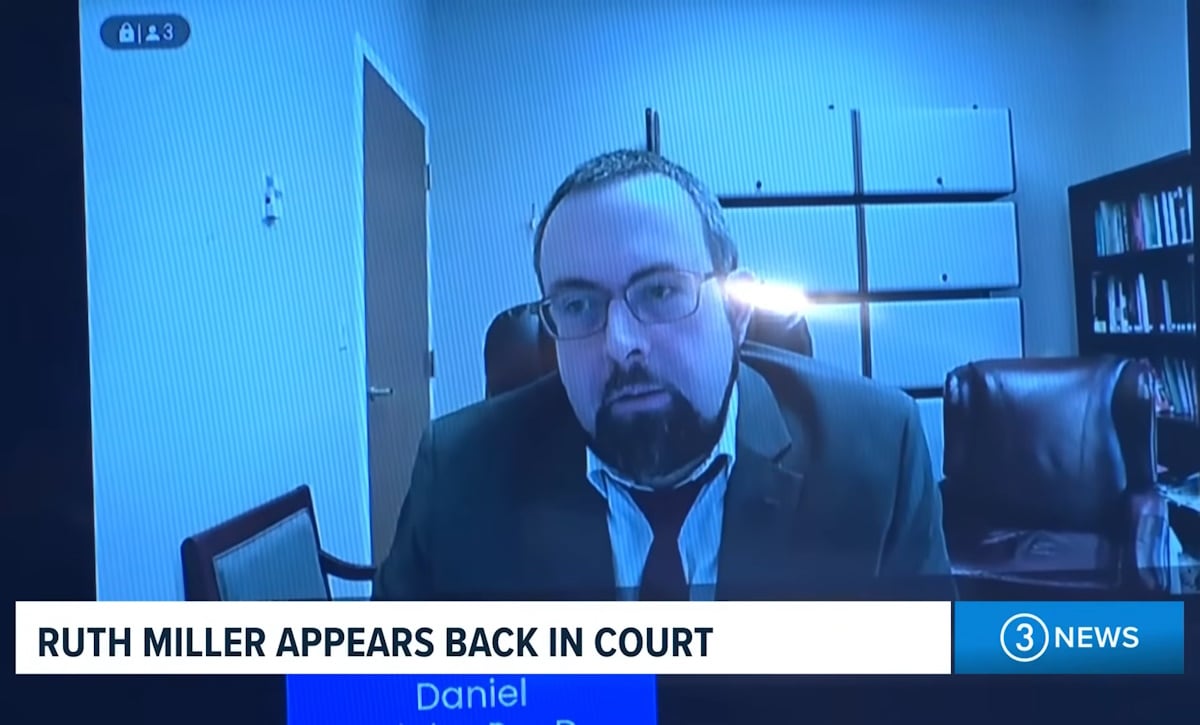
In spring 2025, Ruth Miller had visited her family doctor complaining of “sadness and exhaustion” negatively impacting her life. As quoted in the story, Buffington said that this “was the wrong medicine for the wrong diagnosis”.
Furthermore, Ruth Miller was described as starting, and then stopping treatment with Zoloft “in a matter of months”. Looking into it, I learned that abruptly stopping taking Zoloft can apparently have severe effects known as SSRI discontinuation syndrome.
The report suggests this “potentially precipitated her descent into psychosis” which culminated in her son losing his life last August during a family vacation weekend.
More specifically:
Buffington testified that those medication decisions “set up the conditions for something like this,” worsening an already deteriorating mental state as Miller’s insomnia, racing thoughts and religious fixations intensified without the long-term, specialized psychiatric care experts say she needed all along.
The timing of Miller’s later break at the lake, he said, was “almost textbook” for the kind of destabilization that can follow discontinuation of such a medication.
So according to this expert, this was the incorrect treatment for her condition, and the situation was worsened – perhaps greatly worsened – by Miller’s ceasing to take Zoloft.
When asked by the judge, Buffington even agreed that with a different treatment regimen, the tragedy may have been prevented altogether.
Expert 2: Did A Familial Genetic Disorder Contribute?
The second expert, Christopher Marett, described as “a forensic psychiatrist at the University of Cincinnati”, testified to her delusional thought patterns, as well as raised the possibility of Miller having a genetic disorder that may have contributed to her condition.
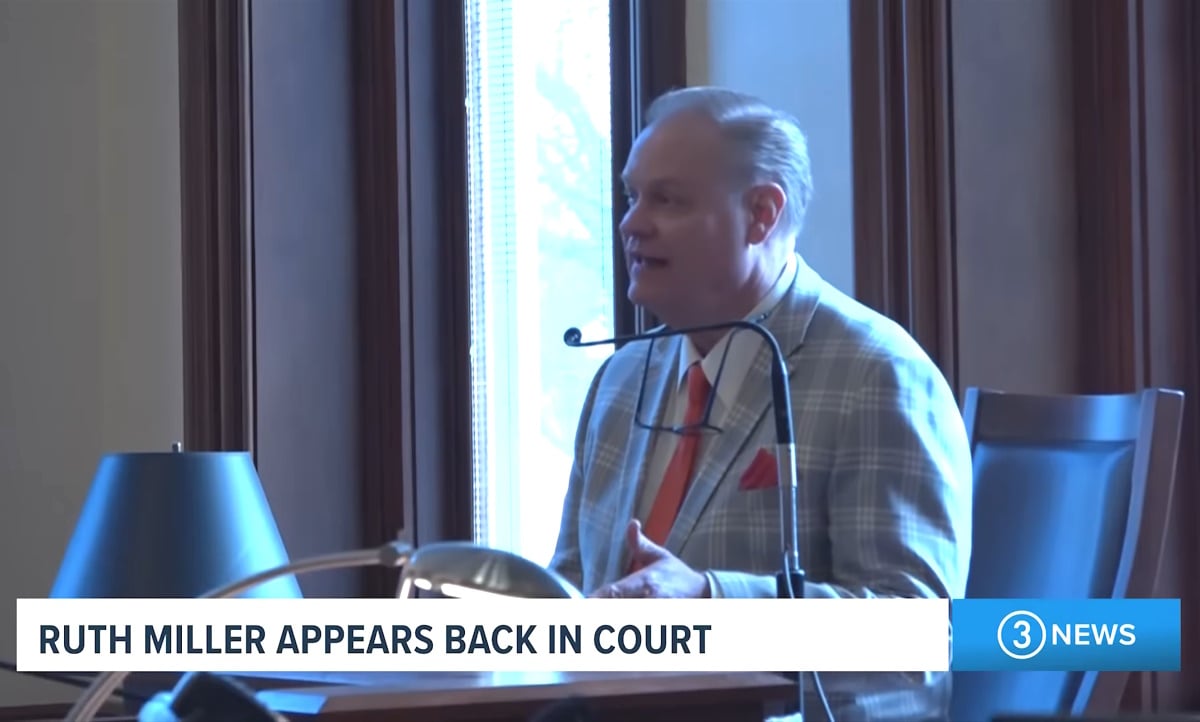
Marett described “grandiose” religious delusions such as the belief she could walk on water. As to the possible genetic disorder:
He also noted that several of her relatives have been diagnosed with a rare inherited brain disorder called MAST syndrome — also known as autosomal recessive spastic paraplegia 21 — which can cause both neurological and psychiatric problems.
This added another layer to the question of what drove Ruth Miller’s mental state. Certain genetic conditions exist in Amish populations which are rare elsewhere. Testing would be able to provide answers as to whether MAST syndrome is at work in Ruth Miller’s case.
Expert 3: Miller’s Self-Awareness Is “Limited”
How aware is Ruth Miller of her condition? Daniel Hrinko, described as “a forensic psychologist with Ohio’s District 9 Forensic Diagnostic Center”, addressed that question.
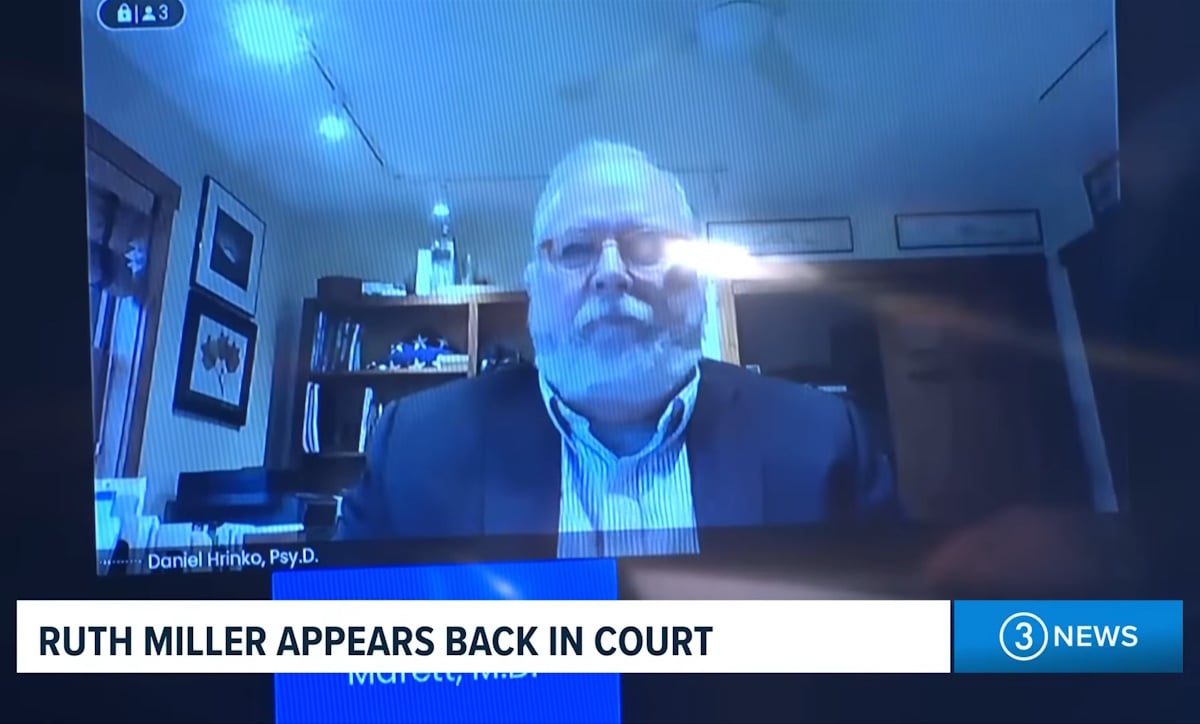
As to her condition, Miller’s understanding is “very limited”:
Miller can say she has a mental illness and take medication, he said, but struggles to explain what the drugs are for, what her symptoms are or what might happen if she stopped taking them.
Based on that, it sounds like there is a significant road ahead for Ruth Miller before she is well again.
Expert 4: Miller Sought Help In A Number Of Places
Finally, Susan Hatters‑Friedman, served as another witness for the defense. She is a forensic psychiatrist at Case Western Reserve University “who specializes in cases where parents kill their children”.
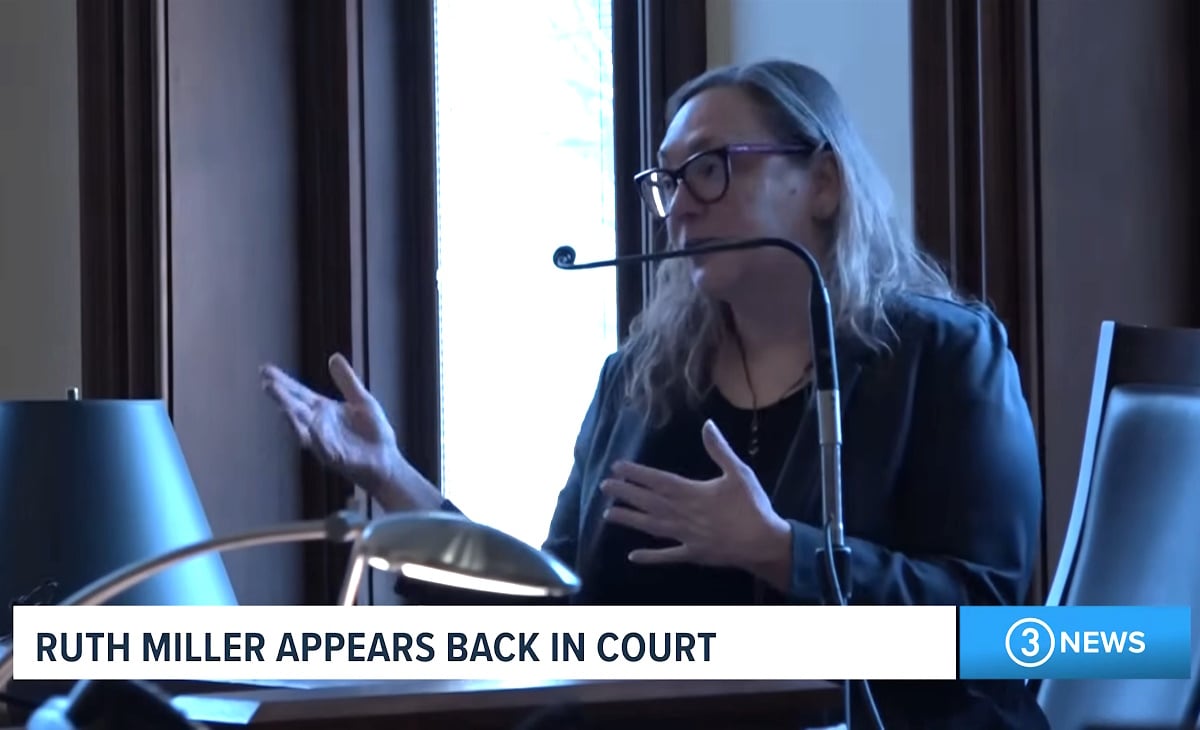
She testified that Miller had lost touch with reality, and also that she had looked for help outside of more conventional pathways:
Hatters‑Friedman also described how Miller repeatedly sought but did not receive effective help, turning to a chiropractor and “holistic” treatments for supposed toxins and infections, scheduling a private brain scan for the month after the incident and seeking therapy.
These attempts at treatment do not come as much of a surprise. Opting for less conventional treatments, such as “holistic” approaches to addressing “toxins”, fits with a fairly common strain of “alternative” thinking regarding health and wellness in Amish society.
Along the same lines, I am also not surprised that at some point a chiropractor was consulted for a mental health issue.
Hatters-Friedman explains how when she was treated in hospitals following the incident, she received anti-psychotic drugs among other medication. She notes that Zoloft would not have been a proper course of treatment if, as seems to be believed, she is suffering from either a bipolar or schizophrenic condition.
Ultimately, though the contributing factors to Ruth Miller’s condition and behavior may still be under consideration, it seems that all experts were in agreement that the secure psychiatric hospital Heartland Behavioral Healthcare was the most appropriate placement. And the final decision-maker, Judge Ernest, agreed as well.
Additional expert insight
As a follow-up, the article provides some good insights from other legal and mental health experts commenting on the case.
Jim Cates shared insights from the mental health perspective. I found his explanation of how intense religious delusion develops of particular interest:
Jim Cates, a board-certified clinical psychologist who has spent decades working with Amish communities, said serious mental illnesses such as bipolar disorder can gradually intensify religious thinking before crossing into psychosis. At first, he said, families may interpret the change as a deepening faith.
“But then as time goes by, it’s more than just revved up. It becomes more, ‘I’m talking to God. God is talking to me. I’m having these visions where Jesus is speaking to me. I am an agent of God, and I have special powers or special things that I’m supposed to do,’” he said. “And that usually steps outside of most people’s faith or spiritual practices, and at that point, families become alarmed.”
Also, this insight on a natural human reaction seen across the board:
But whether Amish or not, concern isn’t always met with action.
“Denial is one of the first responses a lot of times. People just do not want to deal with the fact that they have a seriously mentally ill family member. So the first response is, it’s not happening.”
How much of this has really hit Ruth Miller?
Having followed this case closely since the story broke last August, I can only say I find myself feeling very sorry for Ruth Miller. And particularly after getting more of the expert testimony, I wonder how much of all this has actually sunk in.
How aware she is of what happened and her role in it. Her four-year-old son is gone. I can’t believe she would have acted maliciously in that. And much more importantly, no one else involved – actual experts who have seen mental health breakdowns and the terrible effects they can have, do either.
People are understandably repulsed, and angered by this case, and by the verdict as well, no doubt. But when you watch some of the bodycam footage of her from that day, talking with officers, you can see a person in a different reality.
Her attorney Ian Friedman earlier described a “reckoning”, where people in this state “realize what they were involved with and just being at an absolute loss as to how they could have been involved in that place. Imagine how painful and terrifying that must be.” I can only say I hope she’ll get the best care possible.
Below you’ll find the full hearing where the four experts offer their testimony. There is a good bit of dead air at the beginning. So I have cued it up to start at near 20 minutes in, when things actually start happening.




William Glasser M.D.
Warning: Psychiatry Can Be Hazardous to Your Mental Health
“Unfortunately, you have every reason to believe your psychiatrist’s diagnosis, because our whole society has been blitzed by a multimillion-dollar media and advertising campaign financed by drug manufacturers. Their propaganda, aimed at convincing vulnerable people that they are mentally ill and should ask for a prescription, has been wildly successful.”
The pharma drug cartels are laughing all the way to the bank. Why do people willingly take drugs that have a black box warning “may cause suicidal or homicidal behavior”? As Jon mentioned, they’ve been brainwashed by propaganda. I do hope Ruth Miller gets the help she needs.