
Trade The Amish For Data Centers? Residents At Township Meeting Fear Where This Could Lead
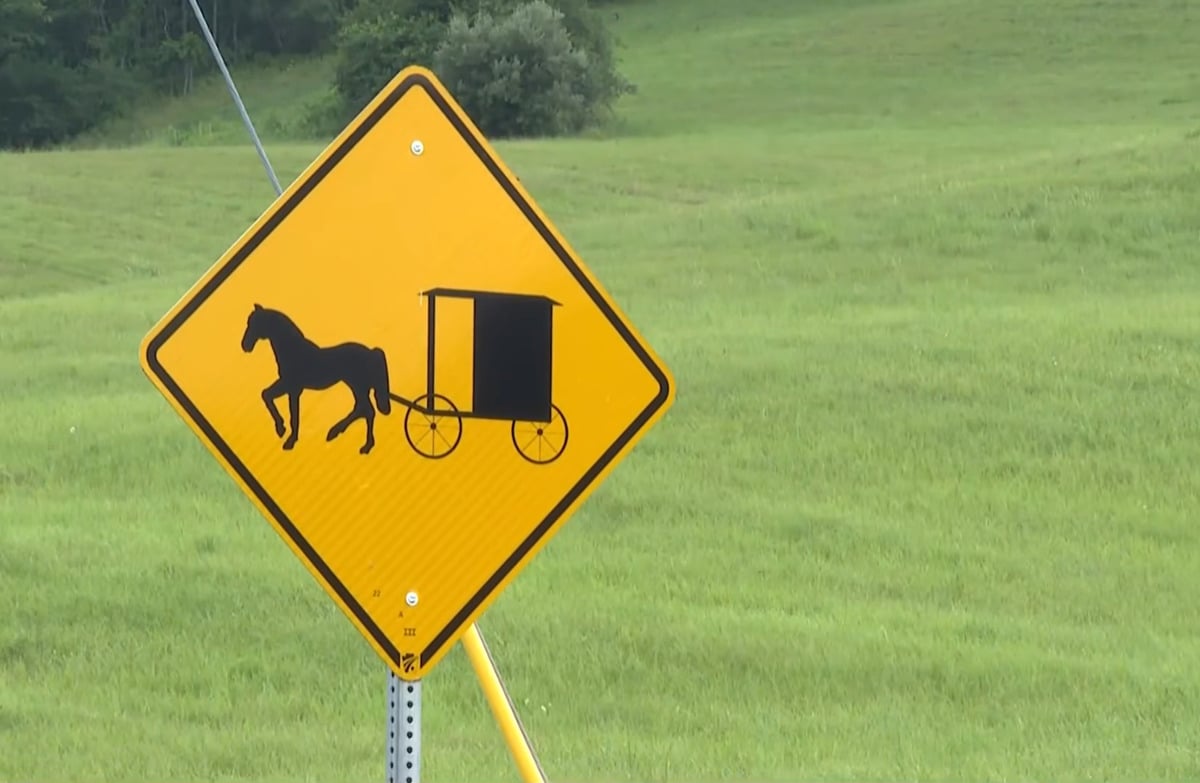
The Morrisons Cove Herald has a fuller writeup now of the July 21 Bedford Township (Bedford County, PA) meeting we’ve been following.
It’s the one where supervisors were set to vote on the steel wheel and manure ordinance, but in the end – likely responding to the backlash from attendees – didn’t.
We first covered the proposed ordinance a couple weeks back, then wrote about the meeting itself once WJAC reported on it.
From all I can tell, this isn’t a new meeting. It’s the same one, just with more detail, from reporter Thomas Schmitt who was apparently there for the whole thing.
However, this report gives us a fuller look at what happened in the meeting, and the statements and claims of those present.
It also raises another parallel concern – one that a growing number of communities across the country share.
An “Overflowing Crowd” and a Call to “Drop This Whole Thing”
According to the Herald, the meeting “drew an overflowing crowd to the municipal building, with local residents standing across the back of the meeting room and into the hallway.”
This report gives a similar impression to the other – that all or nearly all present were against the ordinance. Specifically:
Everyone who spoke on the topic supported the Amish use of township roads and said their buggies were light and that farm equipment caused less damage than township plows and other road equip-ment.
Comments from the attendees give you a sense of it. Township auditor Beth Runker pointed out that the Amish already help fund road maintenance, noting that they pay school tax, fuel tax, and per capita tax.
She also requested to know how much township money goes toward road maintenance. Supervisors did say that it costs about $230,000 to pave a single mile of road.
A number of people said they did not see road damage from the Amish, with one, a man named Bill Sweeney, who “said he wanted to see the supervisors’ evidence but that none had been presented.”
Another asked for a copy of whatever study the township had done on buggy damage, along with photos. However, the supervisors weren’t sure one even existed.
Reading these accounts, you get the impression that the residents really challenged the supervisors, and their response, I infer, came up wanting.
The Real Culprit Is Something Else?
Another attendee pointed in a different direction when it came to road damage, making the case that “Their buggies and machinery are not doing as much damage as the big overweight trucks which run over the roads.”
Along similar lines, others pointed to township snowplows doing a lot of the damage that’s been pinned on the Amish transport.
Summing up what I’d suspect nearly all those present would agree with, a man named Albert Custer said the township should simply “Drop this whole thing.”
In the earlier reporting, it was stated that the township said off camera that it “receives frequent calls complaining about issues the proposed ordinance is aimed at addressing”.
However, Schmitt points out that there wasn’t a single voice heard from that side of the debate:
Not one person whom the supervisors said had complained about steel wheels and animal refuse on township roads was present at the meeting to speak.
The Data Center Question
Here’s the part that wasn’t in the earlier coverage at all, and this gets my attention because I think it reflects a growing concern in a lot of rural communities around the country. The same meeting had a second item on the table that night – a proposed data center ordinance.
Nobody’s applied to build a data center in the township yet, but officials said they couldn’t stop one if someone did: “The state can take land for data centers by eminent domain.”
Residents raised concerns about what a data center would mean for groundwater and air quality — the Herald notes these facilities can use up to 5 million gallons of water a day.
And at least one resident, Carrie Whitcomb, connected the two ordinances directly, asking what happens to Amish farmland if families end up leaving the township over rules like the steel wheel ban:
“If you push the Amish out, what will you do with their land, use it for a data center?”
There’s nothing in this reporting suggesting there is a strategy to push the Amish out in exchange for a data center. Nobody’s proposed a data center on Amish land specifically, and there’s no indication supervisors have that in mind.
But I can understand how the current state of things might create a double-whammy of anxiety for some residents. And if I lived in the area, I’d probably feel just the same.
Namely, the concern over losing valued neighbors in the Amish, coupled with fear over potentially getting a data center – whose negative effects on quality of life and other matters have been covered a good bit in the news lately – instead.
And in some sense, if an Amish-for-data center “trade” were to happen, it would be about as abrupt or jarring a trade you could make, at least symbolically (and not only).
Trading a people representative of traditional values and old-fashioned, agricultural ways, for the engines powering one of the most cutting-edge modern technologies around today. To boil it down even further, swapping “natural” for “artificial” in about the starkest way imaginable.
The fact that both the “anti-Amish” ordinance and the data center matter were slated to be discussed on the same night just draws the matter into that sharper of a contrast.
And it’s not like the two possibilities are not connected. As several residents noted, if the Amish were to be compelled to leave, that would potentially open up large amounts of farmland, ripe for the taking for a data center project.
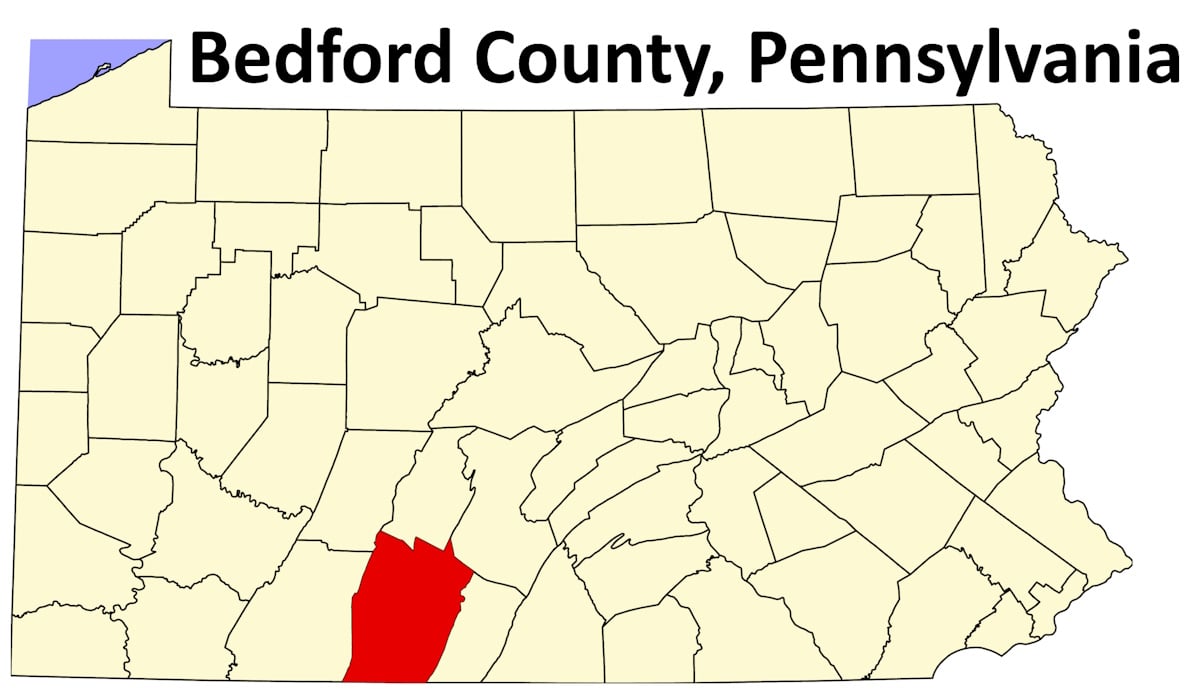
Bedford Township’s next meeting will happen next Tuesday, August 4th. I’ll be curious to see what kind of turnout that one gets and if either or both of these matters will be discussed further.


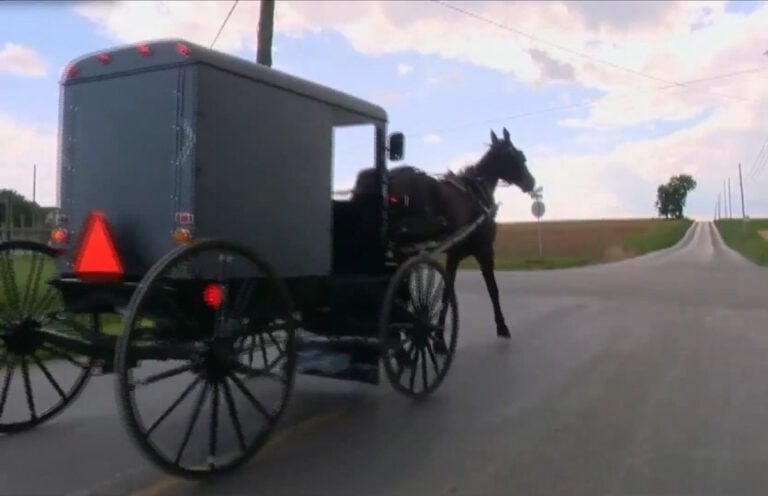

The supervisors offered no proof the Amish buggies are damaging the roads.
The supervisors offered no proof that anybody complained about the Amish buggies.
The supervisors offered no study showing the Amish buggies damage the roads.
Township trucks and snowplows seem to damage the roads the most.
The supervisors targeting the Amish is suspicious.
Is there something more going on behind the scenes that the supervisors are not admitting to?
Are the supervisors targeting the Amish as a way to get more money from them?
The people NEED to keep showing up at these meetings because supervisors tend to keep the public in the dark. There could be something else going on that the supervisors don’t want the public to know about…
One case of leaving
The noise and speed of trucks associated with mining/fracking was one factor, but not the onlly one, in the extinction of the LeRaysville, PA settlement.
Data Center Solution
It sure sounds like the “trade” of Amish for Data Center could have been planted in the township’s mind. The data center representatives quietly court rural counties all over the US and are tempting county governments with promises of good jobs and tax income, at the expense of productive farmland and aquifers.
There is one place where data centers make 100% perfect sense — the North Slope of Alaska. There is an abundance of natural gas available in Prudhoe Bay (using modular GE gas turbine-electric power generation for each data center), abundance of land to use, none of the “NIMBY” to deal with (no residential areas — its an industrial area already), and all the cool air you’d need to cool the data centers using dry coolers. We live 600 miles south of Prudhoe, so I know the area/climate.
Word needs to get out to do data centers smartly, and stop taking farmland.
Data centers
I’m in the Ethridge area, and while on city property there has been much debate over the addition of a data center to this area.
We haven’t noted any particular reduction of the Swartzentruber community here, but this could be a real concern in the future.
It wouldn’t surprise me a bit that small community governments would sell out to the Data Center, big money crowd. It’s a chilling thought & one I hadn’t thought about yet. Should this begin to happen across the US to rural people, I think it would also accomplish another one of their goals: 15 minute cities, so the populace can be “managed.”