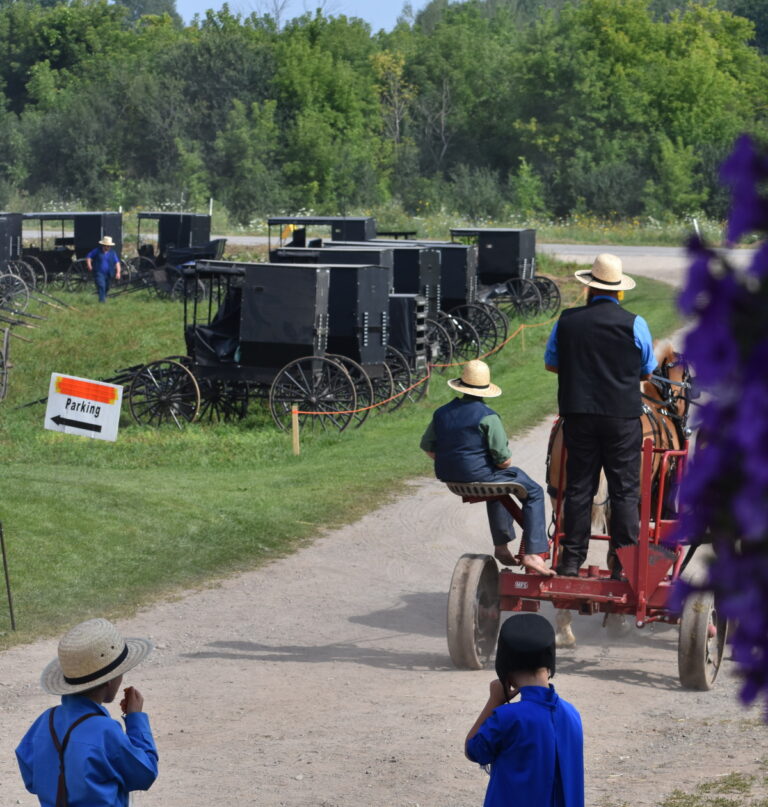
New York Is America’s #5 Amish State — Here Are Its 10 Biggest Communities
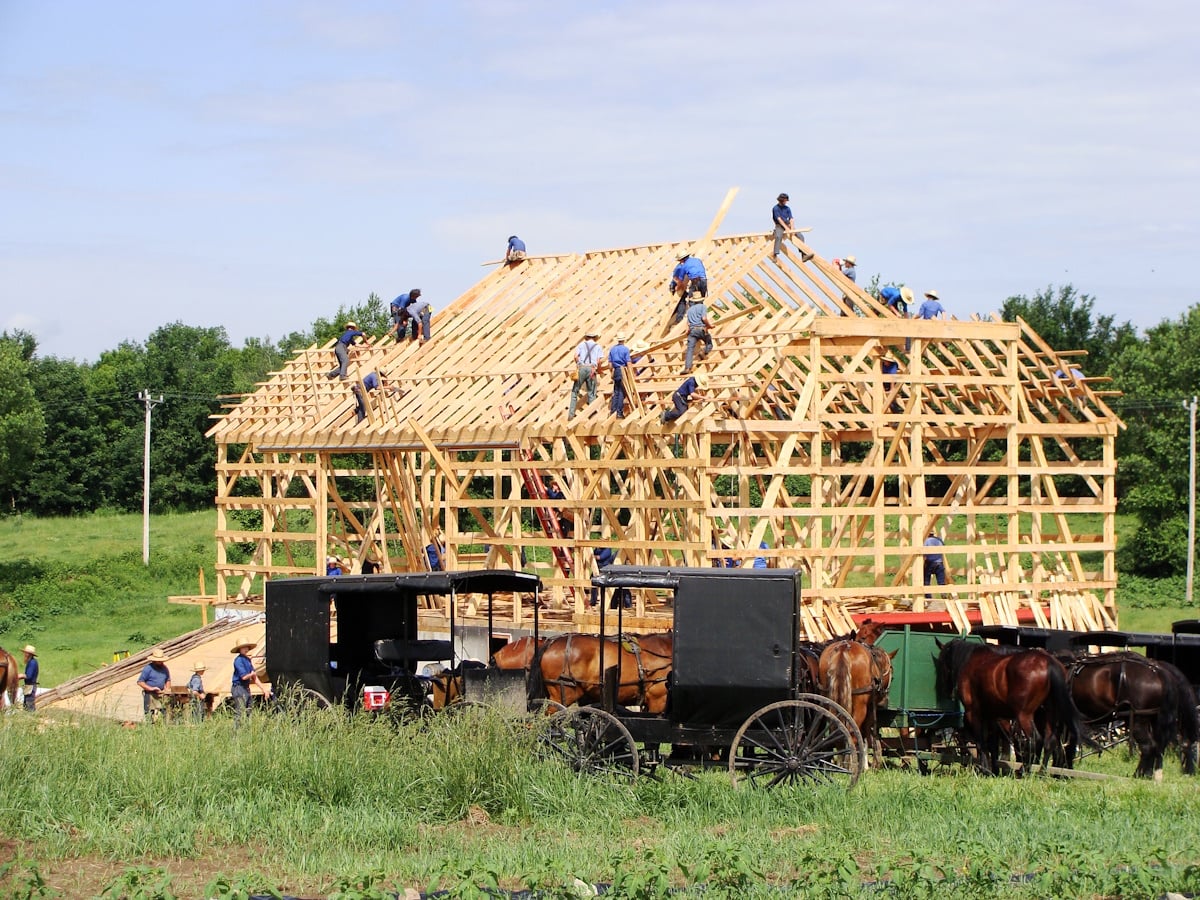
New York is home to America’s fifth-largest Amish population. Over 26,000 Amish live in dozens of locations across the state.
These ten communities are the largest in New York, based on the most current Amish population estimates (2026).
Population numbers via Young Center for Anabaptist & Pietist Studies at Elizabethtown College (source link at bottom).
1. Heuvelton
Heuvelton (St. Lawrence County)
Community founded: 1975
Total Amish population: 3,360
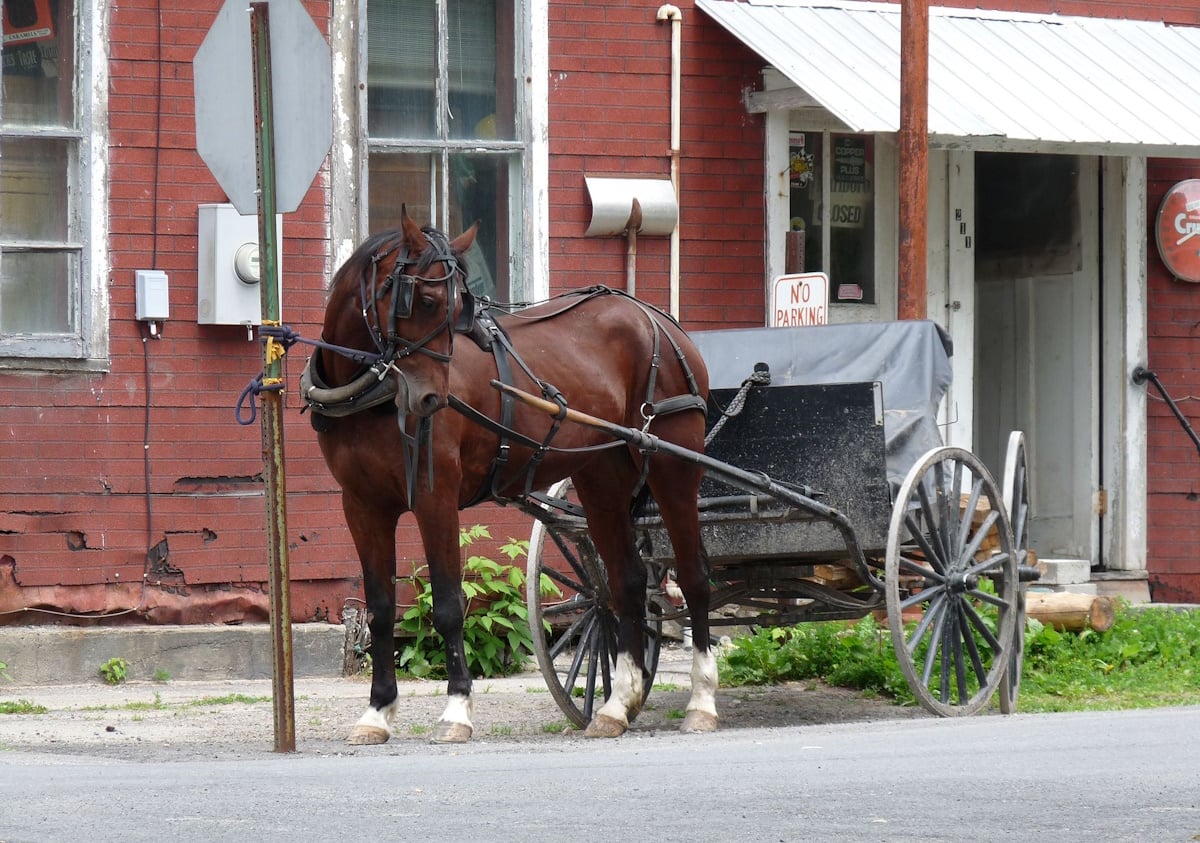
New York’s largest Amish settlement sits up against the Canadian border in expansive St. Lawrence County. This is a Swartzentruber community founded in the mid-1970s by families leaving Holmes and Wayne Counties, Ohio.
Homes here have no indoor plumbing, and the orange slow-moving-vehicle triangle is absent as well. The Amish here farm and run small businesses such as basket-making, furniture, harness, and sawmill work. Now 14 church districts (congregations) strong.
2. Conewango Valley
Conewango Valley (Cattaraugus County)
Community founded: 1949
Total Amish population: 3,060
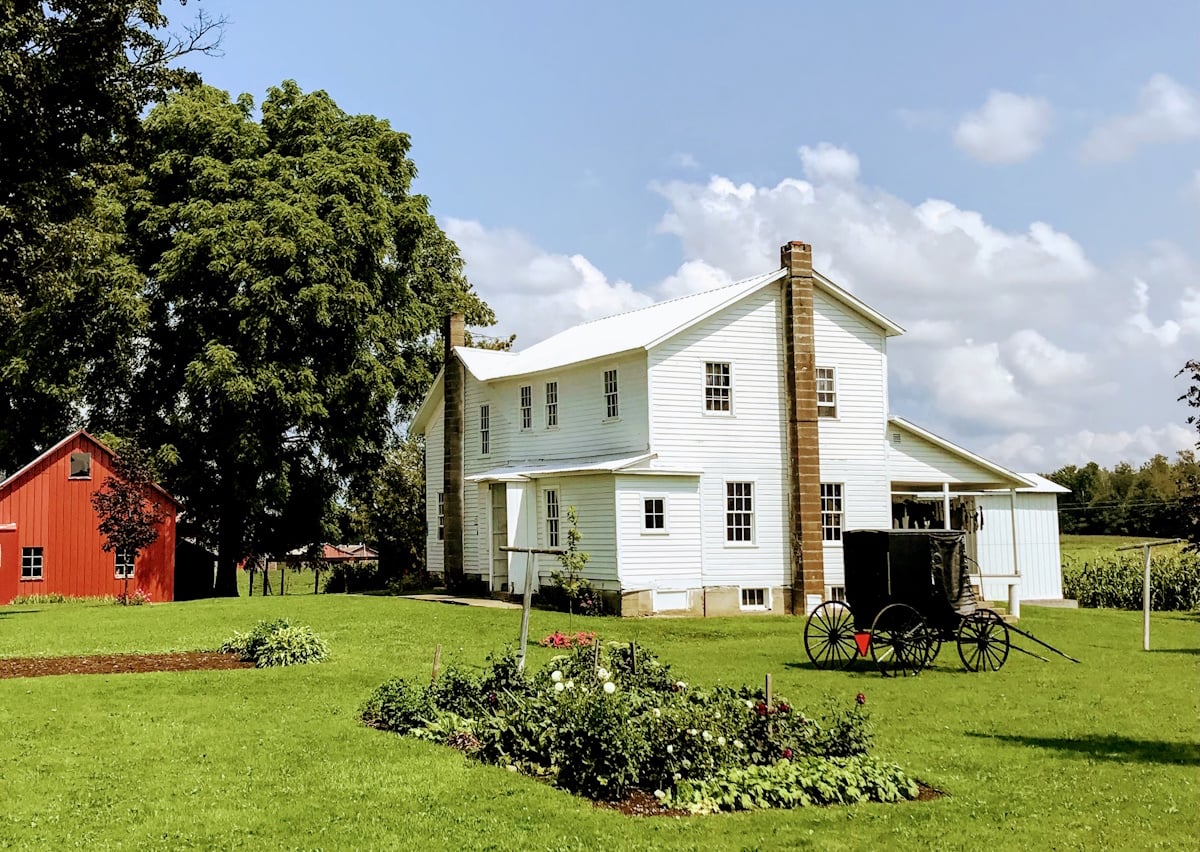
Founded in 1949, Conewango Valley is the oldest Amish community in New York – and a close second in size to Heuvelton. The first settlers were Troyer Amish from Pennsylvania and Ohio, drawn, as ever, by farmland.
It’s a conservative group, and entrepreneurial – home to dozens of Amish businesses. The settlement anchors the route marketed to visitors as “New York’s Amish Trail” through western Cattaraugus County.
3. Clymer
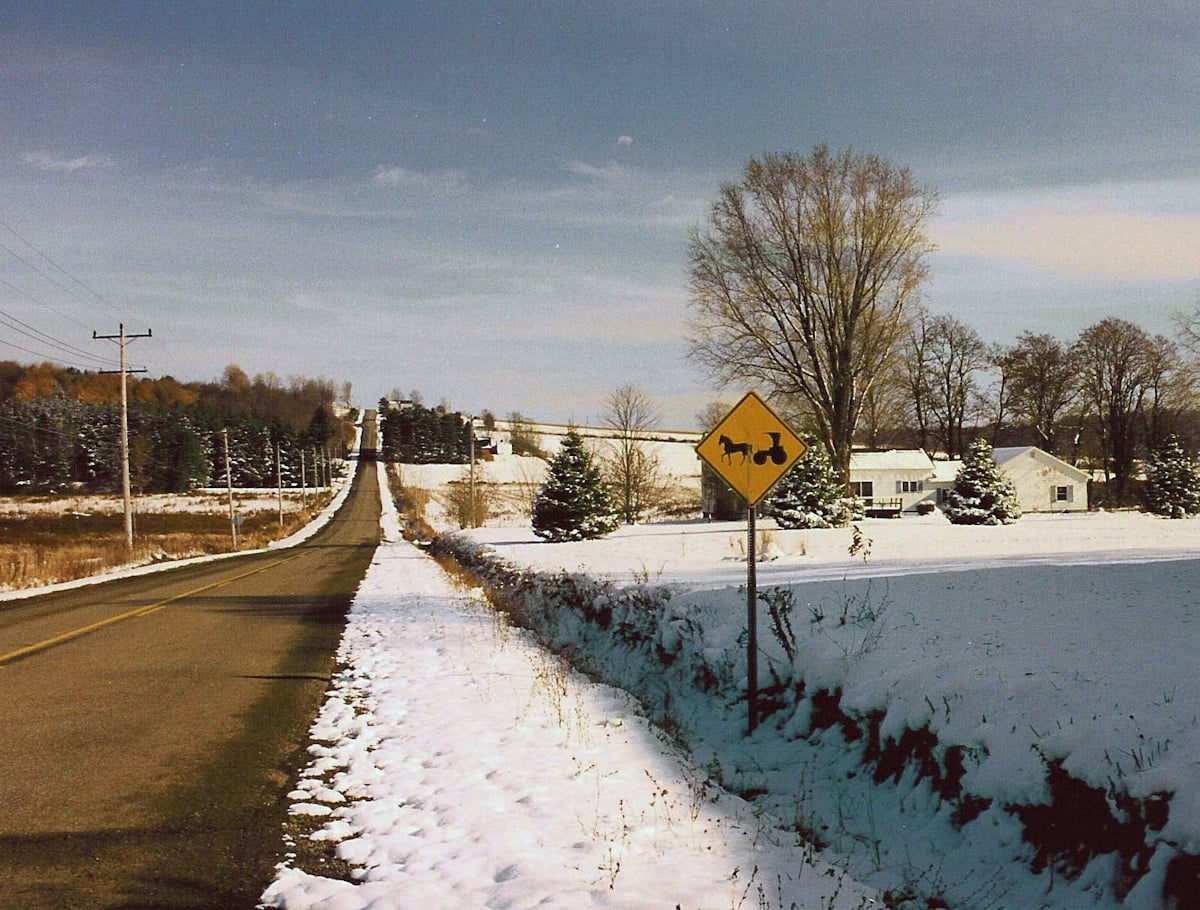
Clymer (Chautauqua County)
Community founded: 1976
Total Amish population: 1,695
Clymer, in the southwest corner of the state near the Pennsylvania line, traces its roots to Geauga County, Ohio, with families first arriving half a century ago. By the standards of the first two communities on this list, it’s a relatively progressive group, with propane lighting, and telephones in shanties and businesses, of which there are a good number.
4. Romulus/Ovid
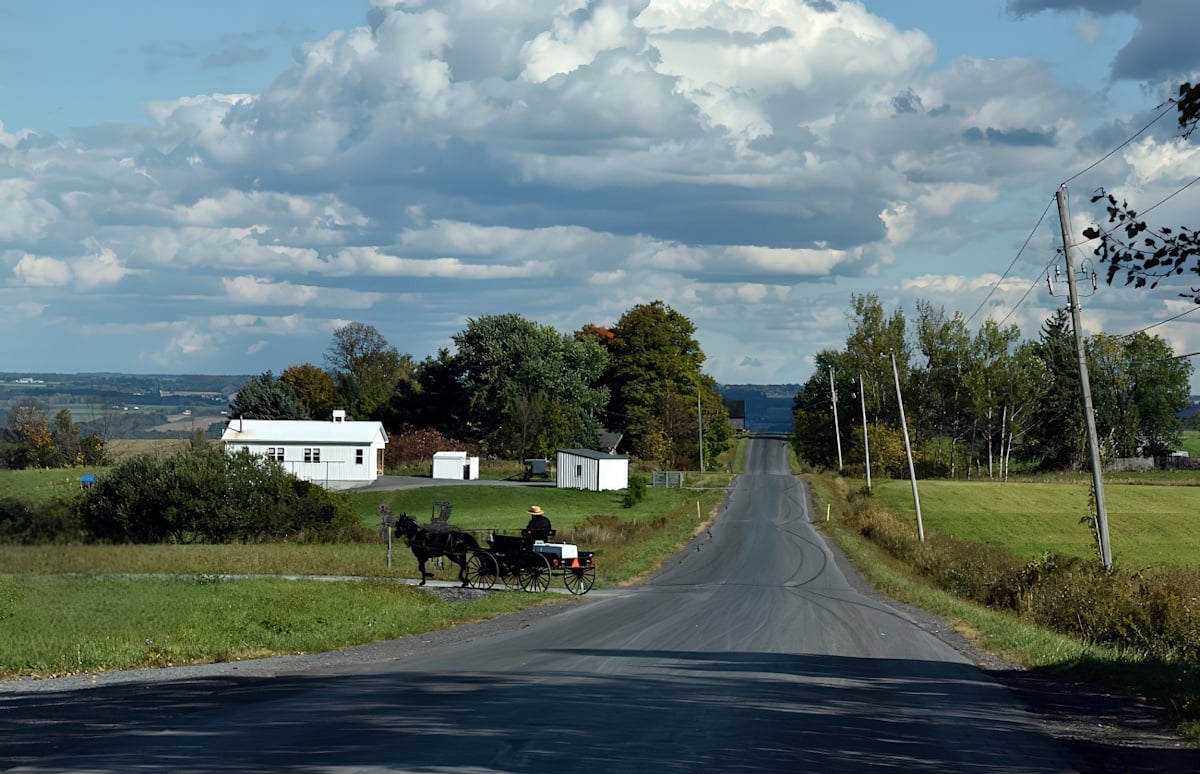
Romulus/Ovid (Seneca County)
Community founded: 1981
Total Amish population: 1,205
The Romulus and Ovid settlement lies in the Finger Lakes region. The area was settled by Amish from Pennsylvania, including Lancaster County.
5. Mohawk Valley
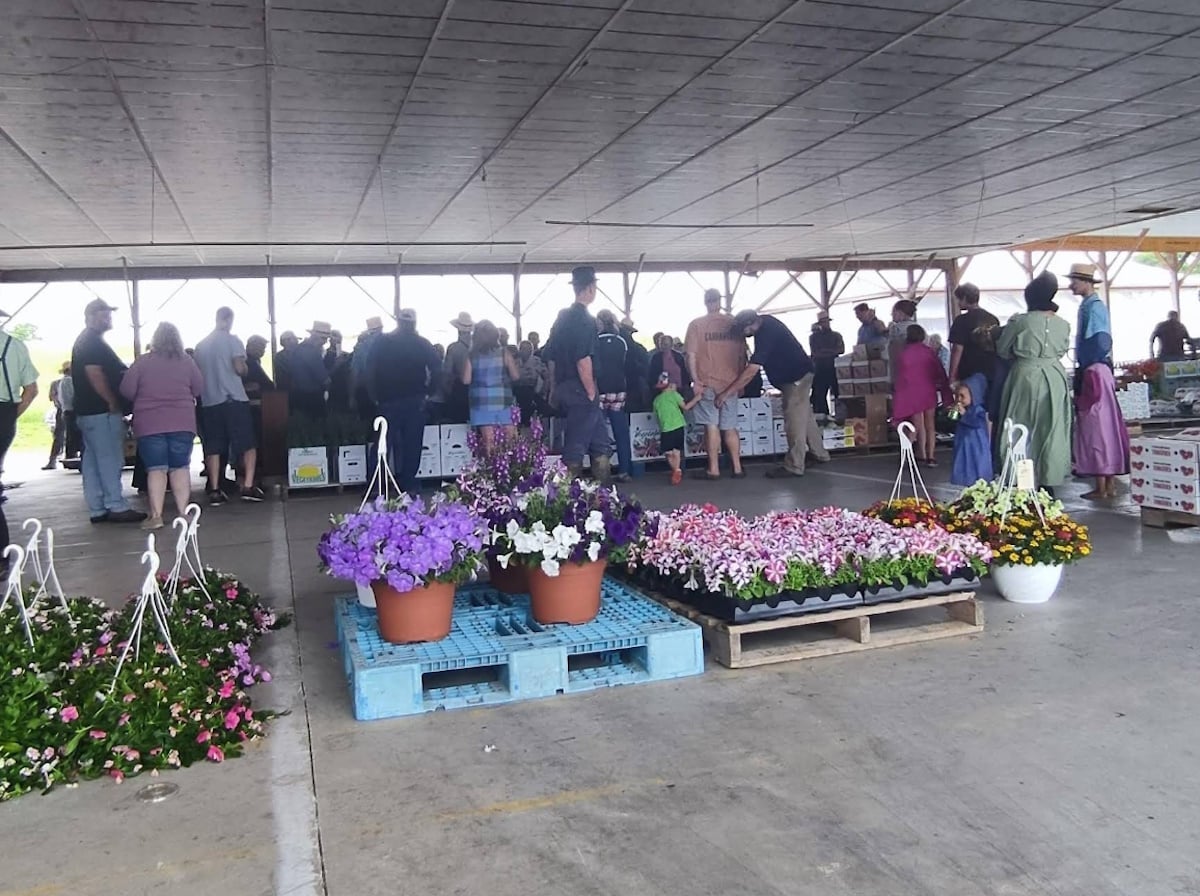
Mohawk Valley (Montgomery County)
Community founded: 2006
Total Amish population: 1,105
The Mohawk Valley, in central New York near the edge of the Adirondacks, holds several distinct Amish settlements. This one, founded in 2006 in Montgomery County, has grown the fastest of them – now nine church districts in size and the largest group in the area.
6. Jasper/Woodhull
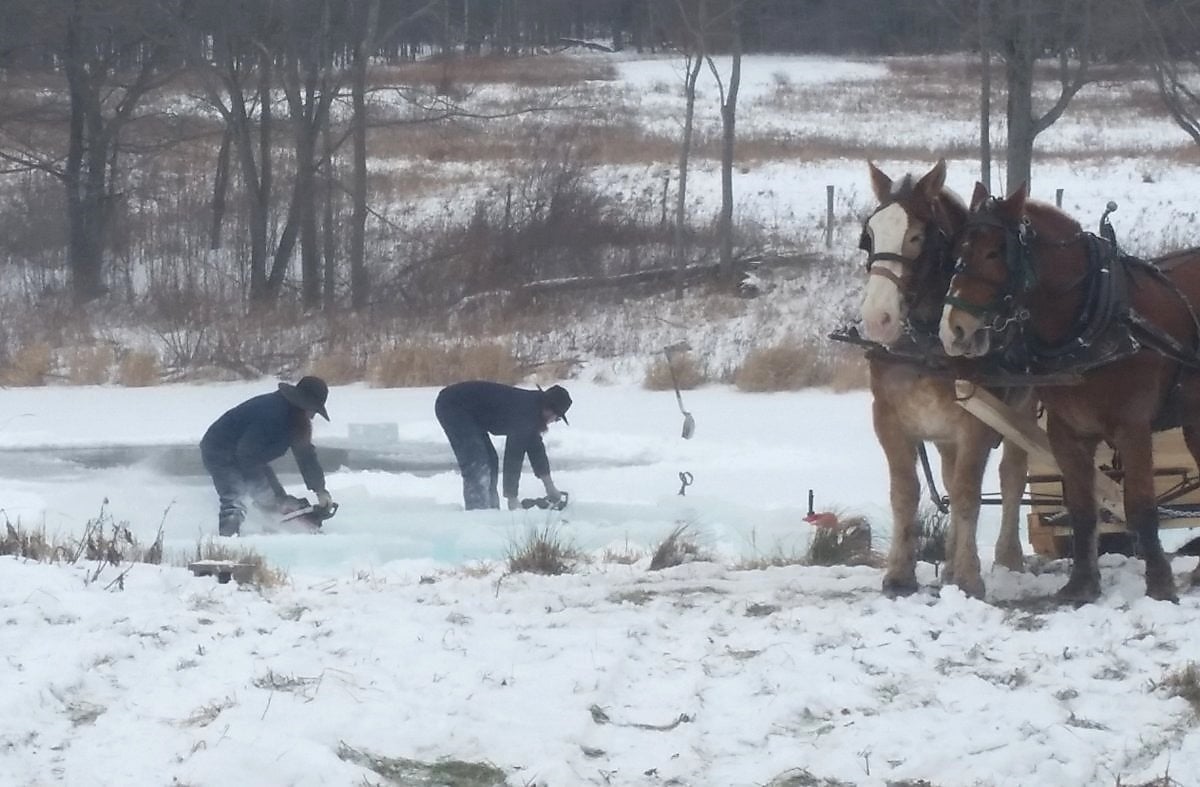
Jasper/Woodhull (Steuben County)
Community founded: 1983
Total Amish population: 1,070
The Jasper and Woodhull area, in Steuben County, is home to a traditional Amish group of around 200 households. The community drew national attention years ago when a drunk driver struck a van carrying members, killing several — among them the parents of a large family. One of the plainer settlements in the Empire State.
7. Pulaski/Williamstown
Pulaski/Williamstown (Oswego County)
Community founded: 2006
Total Amish population: 695
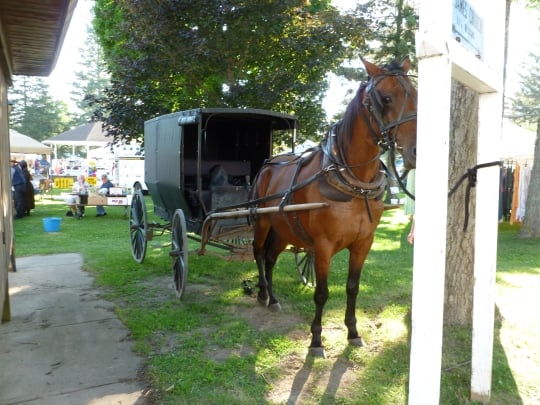
The Pulaski and Williamstown settlement is a Swartzentruber community founded in 2006. Amish here sell baked goods and produce at the Pulaski farmers’ market.
8 (tie). New Berlin/Edmeston
New Berlin/Edmeston (Chenango County & Otsego County)
Community founded: 2010
Total Amish population: 670
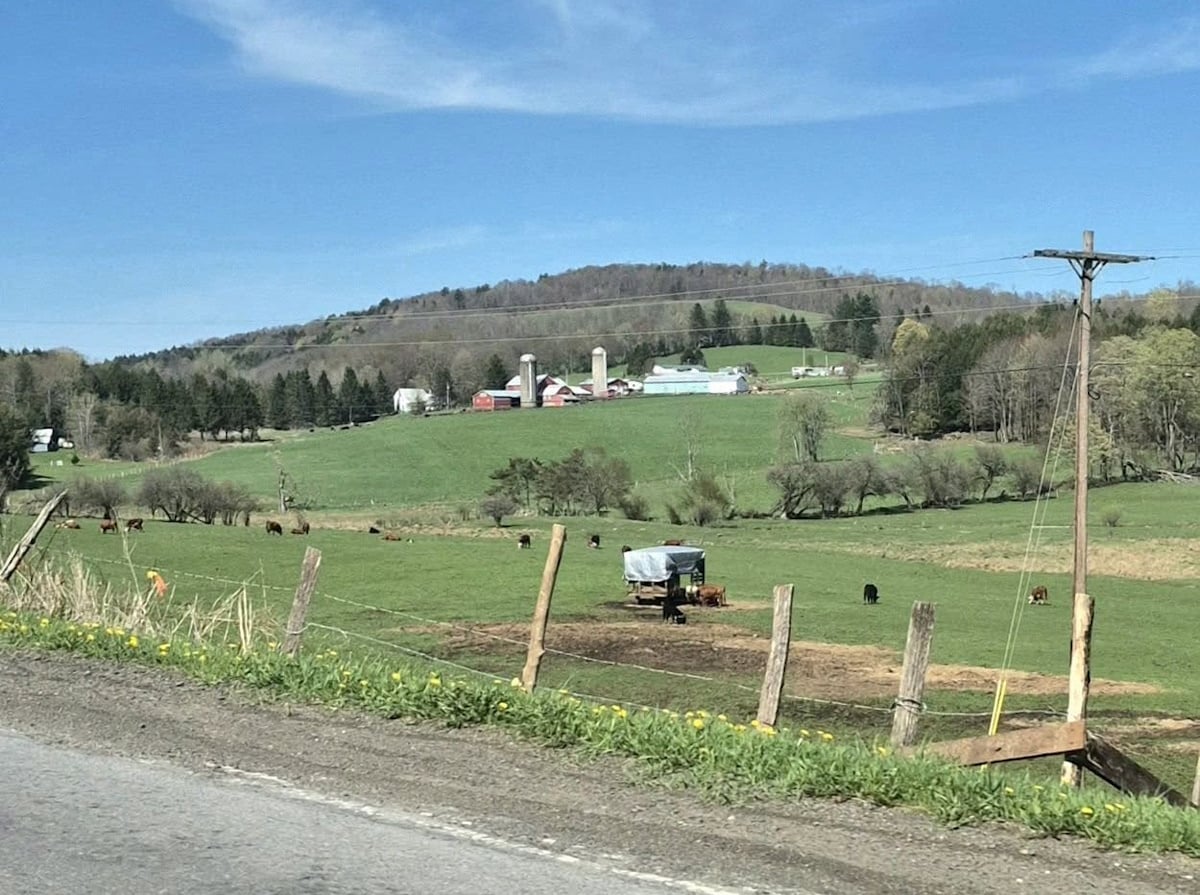
One of the newer arrivals on this list, the New Berlin and Edmeston settlement in Chenango/Otsego County dates only to 2010. It’s grown to five church districts in that time, an example of how some Amish locations take off and thrive.
8 (tie). Nicholville/Potsdam/Hopkinton
Nicholville/Potsdam/Hopkinton (St. Lawrence County)
Community founded: 2004
Total Amish population: 670
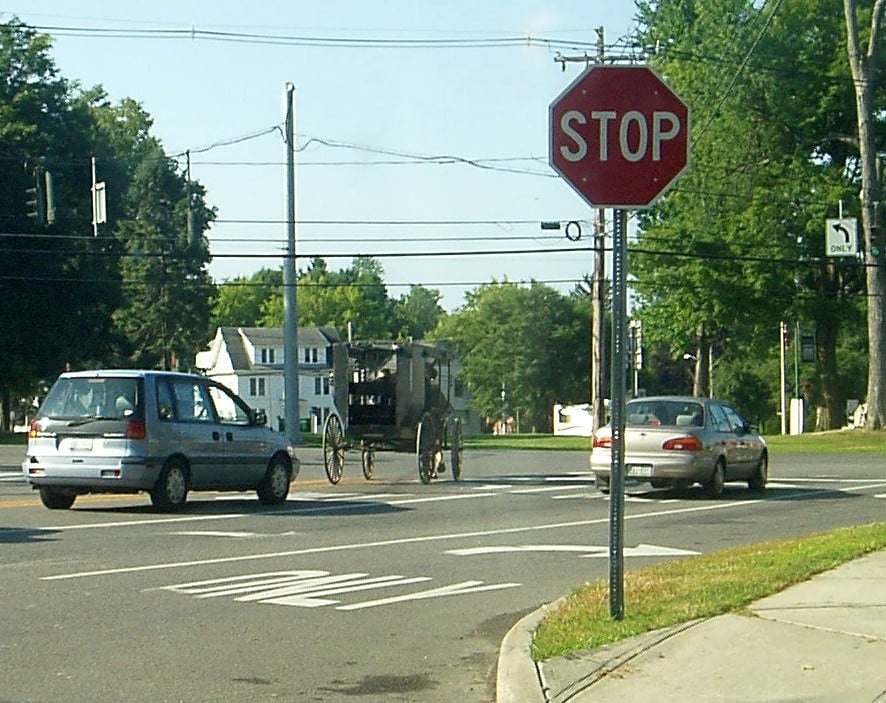
The second St. Lawrence County community on this list, the Nicholville–Potsdam–Hopkinton settlement was founded in 2004. It’s one of six Amish settlements in the county, New York’s largest.
10. Fultonville/Glen
Fultonville/Glen (Montgomery County)
Community founded: 2005
Total Amish population: 600
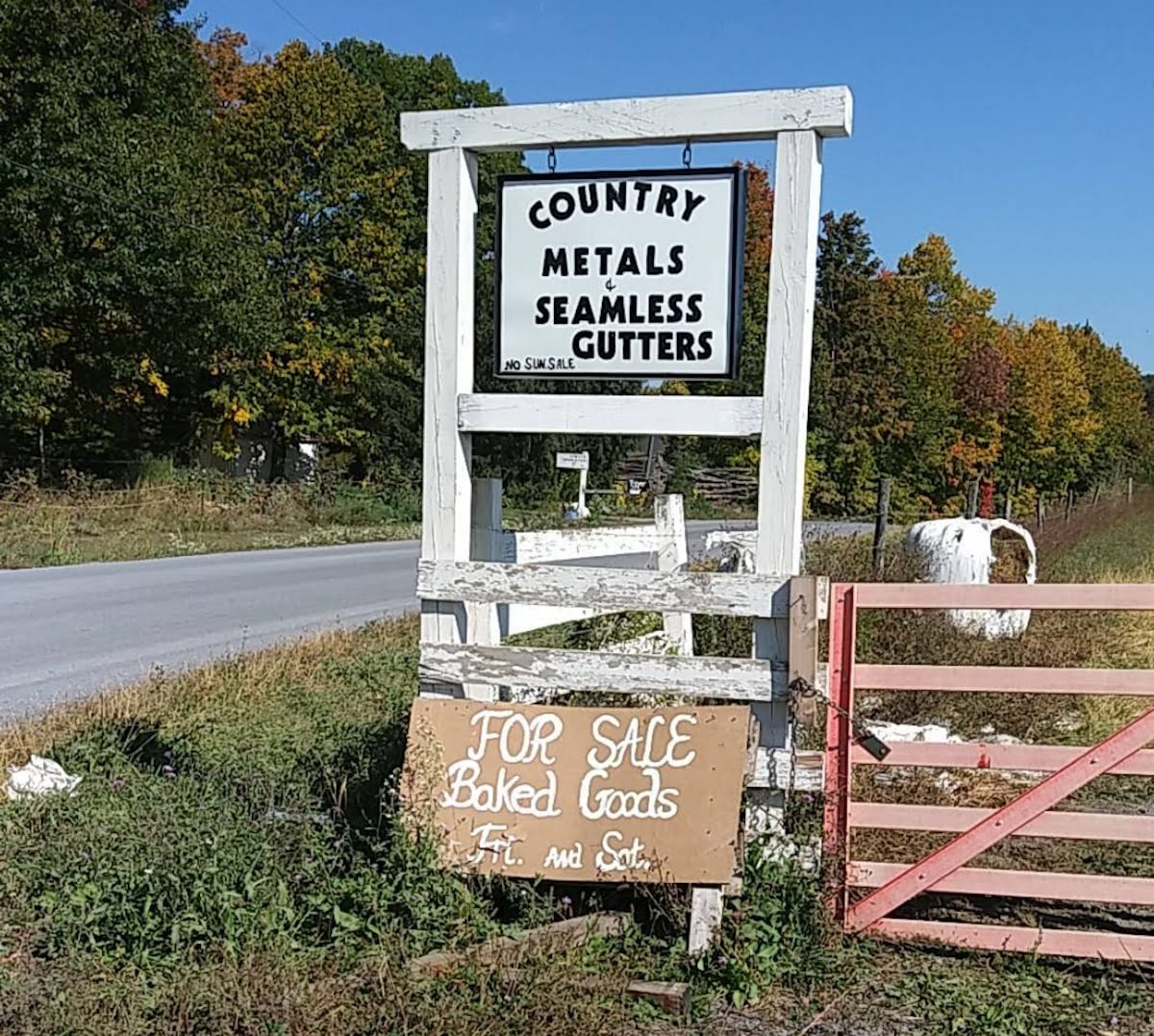
Rounding out the top ten is a second Montgomery County settlement, founded in 2005 near the towns of Glen and Fultonville. This is an Andy Weaver Amish group with roots in Ashland County, Ohio.
For more on Amish communities in the Empire State, check out our New York Amish state guide.
See also:
- Pennsylvania’s 10 Largest Amish Communities
- Ohio’s 10 Largest Amish Communities
- Indiana’s 10 Largest Amish Communities
- Wisconsin’s 10 Largest Amish Communities
- New York’s 10 Largest Amish Communities
- Michigan’s 10 Largest Amish Communities
- Missouri’s 10 Largest Amish Communities
- Kentucky’s 10 Largest Amish Communities
- Iowa’s 10 Largest Amish Communities
- Illinois’ 10 Largest Amish Communities
Population numbers sourced from the Young Center (Elizabethtown College) Amish Settlement List.