Echoes From Amish Country: The Awareness Meeting
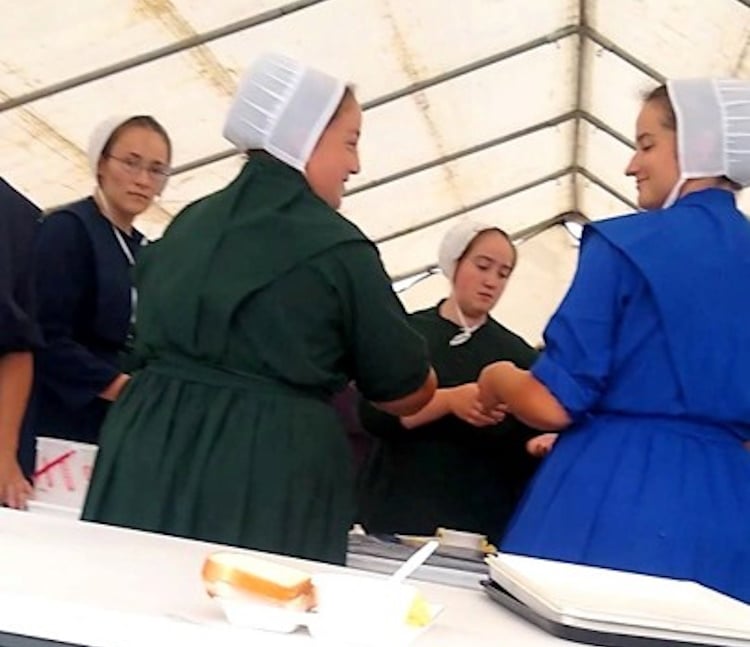
Rain tapped steadily against the metal roof while muddy boots shuffled across the floor of the open shed.
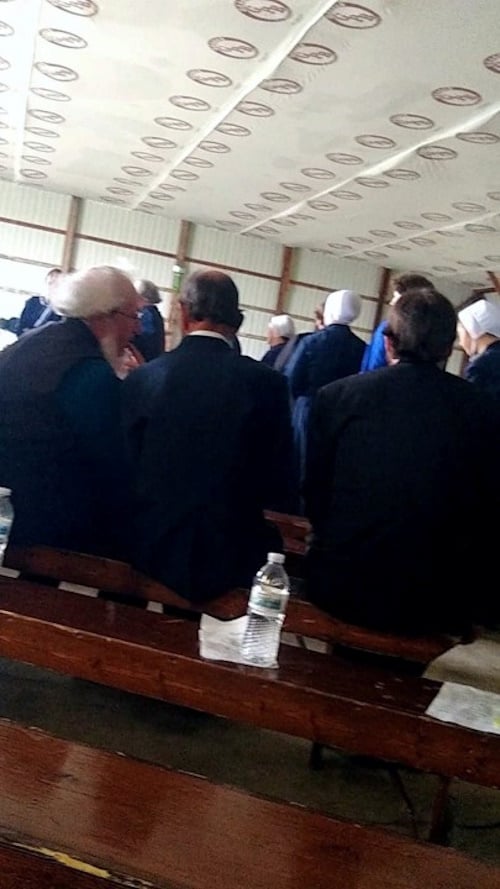
The building wasn’t insulated — just a tall shell of a structure with church benches lined up beneath dim gray light filtering in through the open doors. Outside, vans sat parked in a wet field, tires slowly sinking deeper into the mud as the rain kept falling.

Inside sat hundreds of Amish.
Men and women together. Women holding babies. Bishops. Young couples. Older farmers. People who had driven hours to be there.
And somewhere in the middle of all of them sat me — an English taxi driver wearing tan high-heeled shoes, brown jeans, and a leopard-print shirt.
At the time, it seemed like a perfectly reasonable outfit choice.
In hindsight, walking into a conservative Amish awareness meeting dressed like I was headed to lunch with girlfriends may not have been my strongest cultural decision.
The funny part is that when I finally met Lizzie Hershberger in person that day, she was also wearing leopard print.
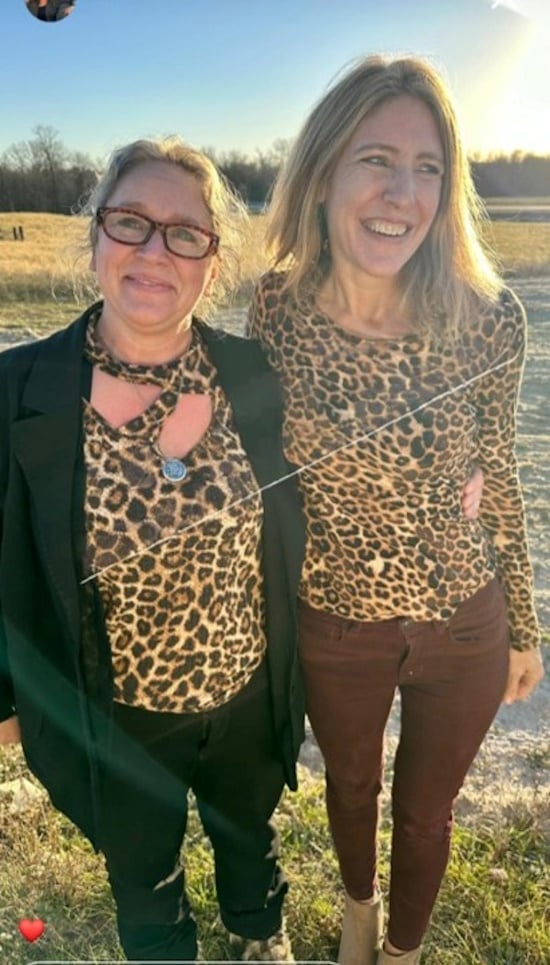
Neither of us planned it.
Maybe that was the beginning of our friendship right there — the former Amish rebel and the English taxi driver accidentally matching at an abuse awareness meeting in rural Iowa.
I first learned about Lizzie through her book Behind Blue Curtains. One day while thrift store shopping in Ohio, I found a copy sitting on a shelf for two dollars and brought it home with me.
Later, while driving Amish passengers back from Ohio, I passed the book around the van and listened to everybody’s opinions about it. Some believed her story. Others completely dismissed it. A few claimed they knew her family personally.
The whole conversation fascinated me because until then, I hadn’t really thought much about abuse inside Amish communities or how differently people could view the same story.
Not long after that, some Amish in my community asked me to take them to an awareness meeting in Iowa. By then, Lizzie and I had started communicating on Facebook Messenger after I reached out to her about her book. When I told her I was coming to the meeting, she said she would be there too, so we’d finally get to meet in person.
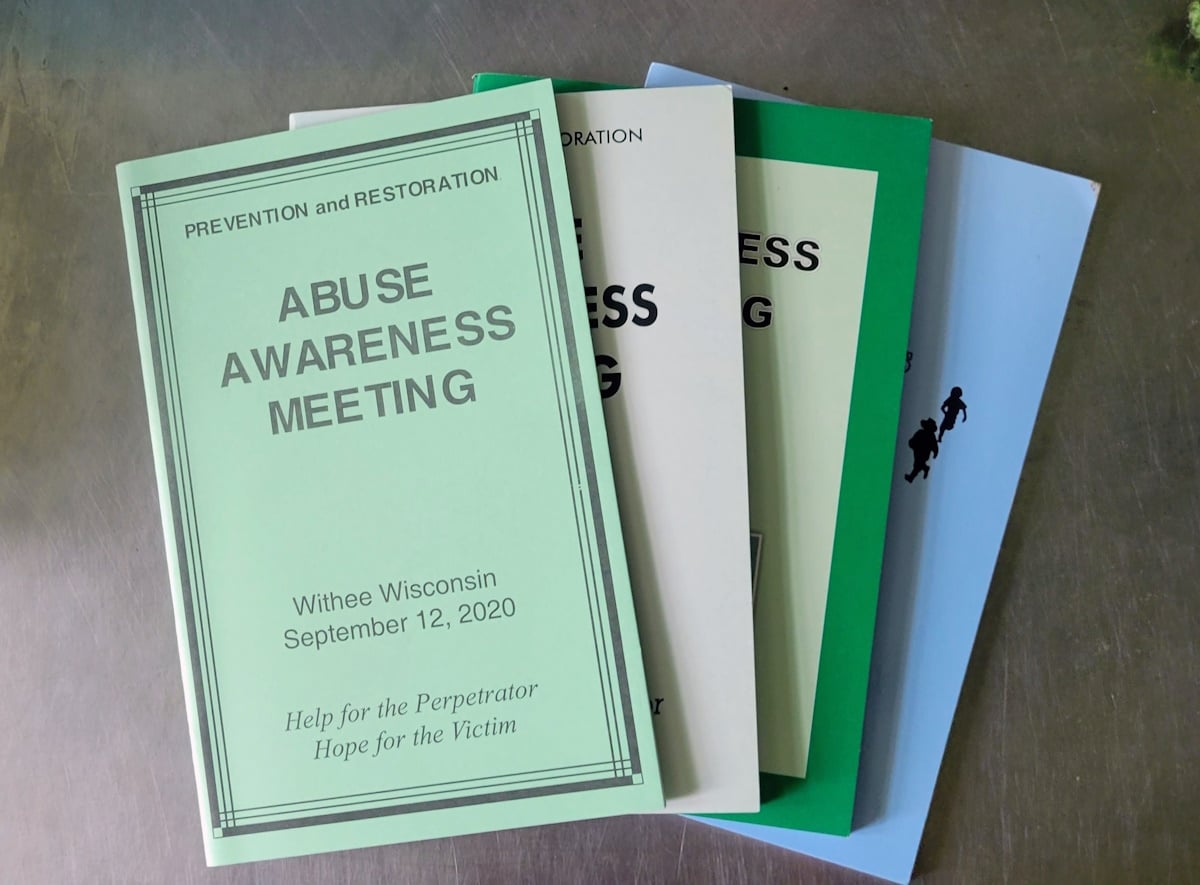
After the meeting, Lizzie later connected me with someone in Indiana who has spent years supporting Amish families and helping provide resources for awareness meetings. Eventually, while driving Amish families through Indiana, I stopped to visit him at his place. He spent time telling me about the work being done and sent me home with armfuls of books, pamphlets, and informational materials to pass along in Amish communities.
So, on that rainy day, after very little sleep and several hours of driving, I found myself walking into a shed full of Amish people gathered to discuss subjects many outsiders assume are never talked about at all.
There were tables filled with books and pamphlets. Lizzie was there selling copies of her book along with other resources about abuse awareness and protecting children.
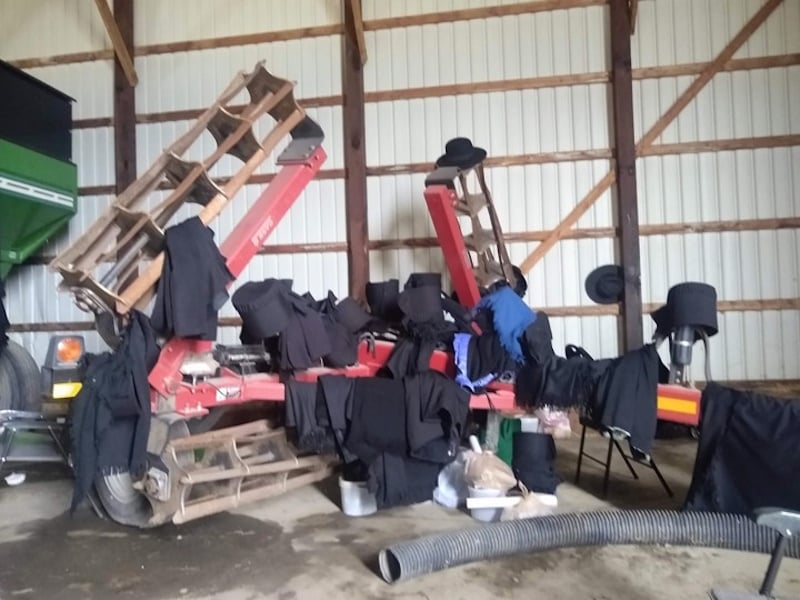
Near one wall sat a piece of farm equipment covered in black Amish hats while the owners listened from the benches nearby. I had never seen anything quite like it before, so of course I took a picture. The Amish can be incredibly ingenious, and they definitely have a sense of humor.
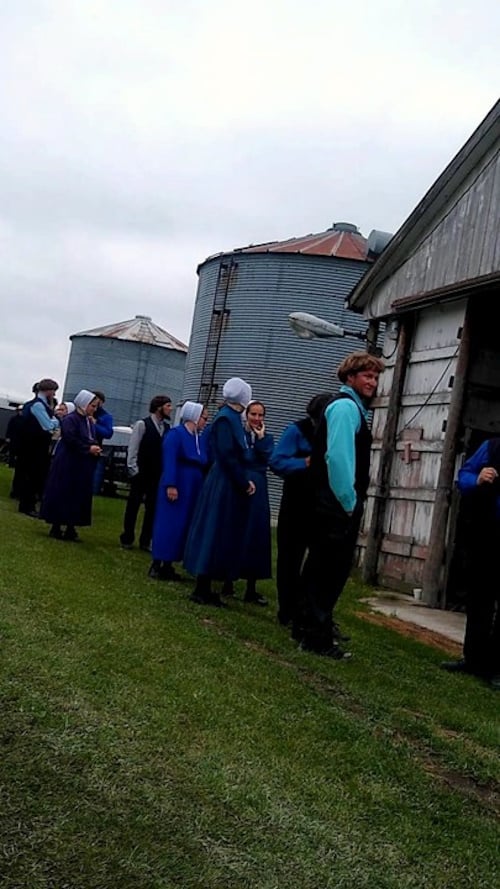
The meeting itself was mostly conducted in Pennsylvania Dutch, though parts were translated into English for me by Lizzie as we sat together near the back.
Throughout the morning, each person was handed a sticky note and encouraged to anonymously write down questions to place in a fishbowl near the front. Those questions would later be answered publicly by a panel of Amish bishops and community leaders.
The people there were serious about why they had come.
Some had sacrificed an entire workday to attend. Others had driven long distances through the rain. They came because they wanted to protect children, help hurting families, and better understand abuse within their own communities.
At one point during the question-and-answer session, one of the bishops standing at the podium became emotional while answering a question.
I recognized him immediately because I had driven him to the meeting myself.
That moment surprised me more than anything else I saw all day.
Amish men are generally taught to stay composed and restrained emotionally. In all my years driving Amish, I had only seen Amish people cry openly one other time — when a family learned their son had left the Amish church.
But standing there at the podium, this young bishop’s voice cracked as he spoke, and it was obvious the subject touched something very personal in him.
The room became very still.
Outside, rainwater leaked through weak spots in the shed roof every now and then, splashing onto benches and shoulders below. A few people unexpectedly got little showers during the meeting and simply scooted over laughing while the speakers kept going.
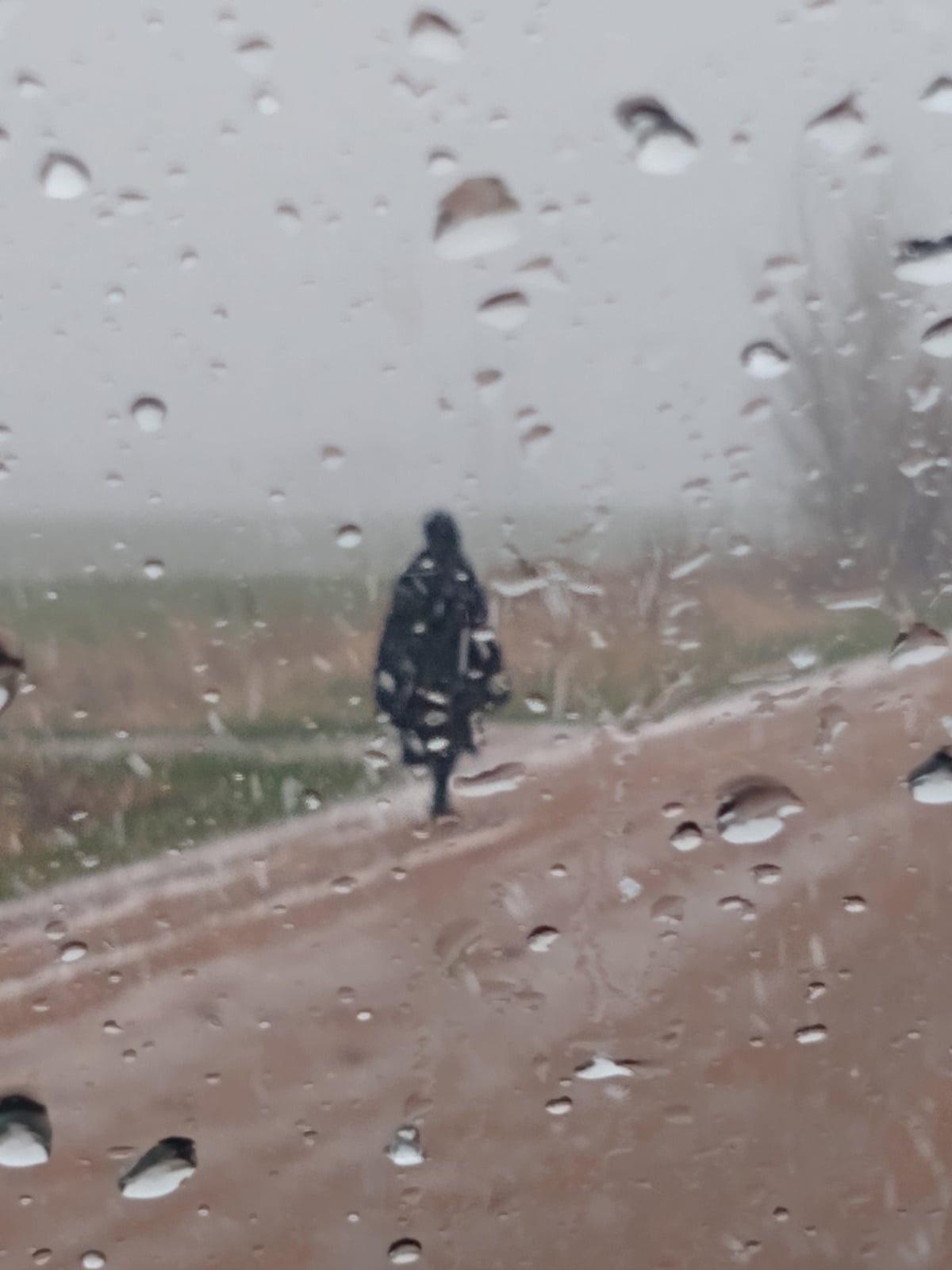
The weather got worse as the day went on, and by the end of the meeting some of the vans were struggling to get back out of the muddy parking field.
As the day went on, I sat listening, crocheting while speakers addressed subjects most people never associate with Amish life — abuse, trauma, protecting children, accountability, unhealthy homes, healing.
And the longer I sat there, the more I realized something.
For all the stereotypes outsiders carry about the Amish, very few people ever get to witness what happens when an Amish community decides to confront a painful problem instead of hide from it.
Just ordinary people trying to protect their families and do better than previous generations did.
When the meeting finally ended and we walked back out into the mud toward the vans, I remember looking around at the crowd still standing together talking in the rain.
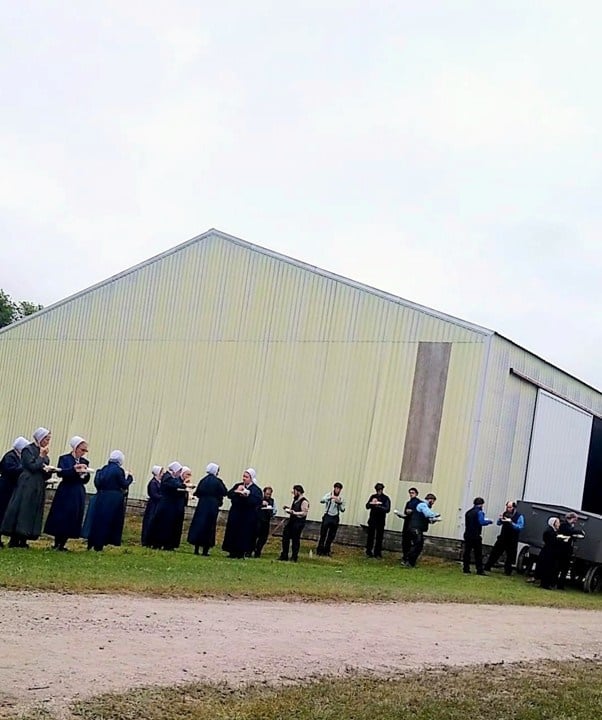
I kept thinking how few people even know these conversations are taking place.
Haley Straw is a barefoot homeschooling mom of six who somehow ended up becoming an Amish taxi driver.
From her century-old jailhouse home in rural Missouri, she writes true stories about late-night Amish rides, frolics, disasters, awkward moments, unexpected wisdom, and the kind of community most people don’t realize still exists. Her stories help readers slow down, laugh a little, and remember what matters most.
You can find her signed books, free Amish-inspired goodies, and more at haleystraw.com
More from Haley:
- Echoes From Amish Country: Voices Of Hope
- Echoes from Amish Country: My First Trip Home
- I Never Expected a Favor Returned. My Amish Neighbor Had Other Plans