
An Amish Winter Trip Gone Wrong (Part 5): The Storm
Author Haley Straw returns today with part 5 of a new winter-themed series, drawing on one of her more challenging experiences as an Amish taxi driver. Part 1 is here, part 2 here, part 3 here and part 4 here if you missed them.
My body knew it before my mind caught up.
Face pale. Hands fidgeting. Legs bouncing uncontrollably. I shot nervous glances at Allen, hoping he would finally call it.
He thought I was being silly. Dramatic.
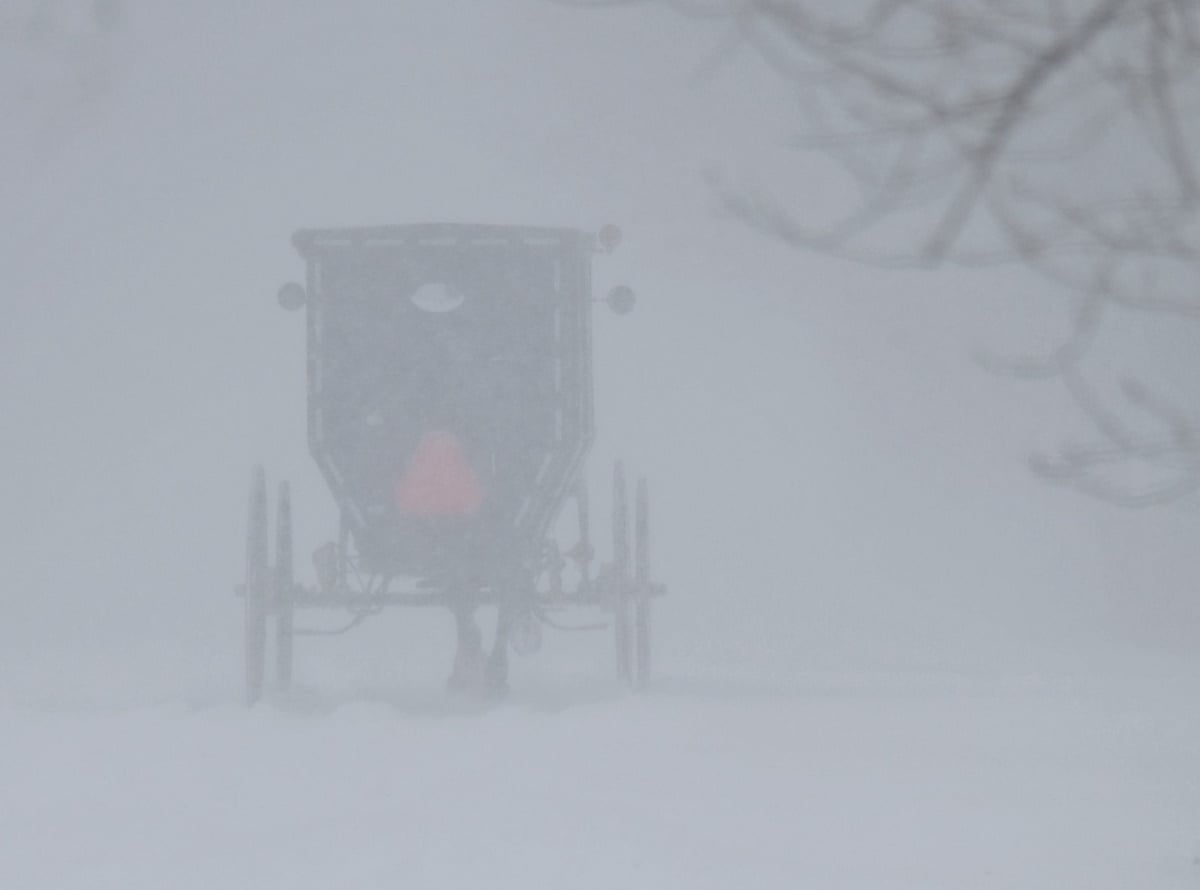
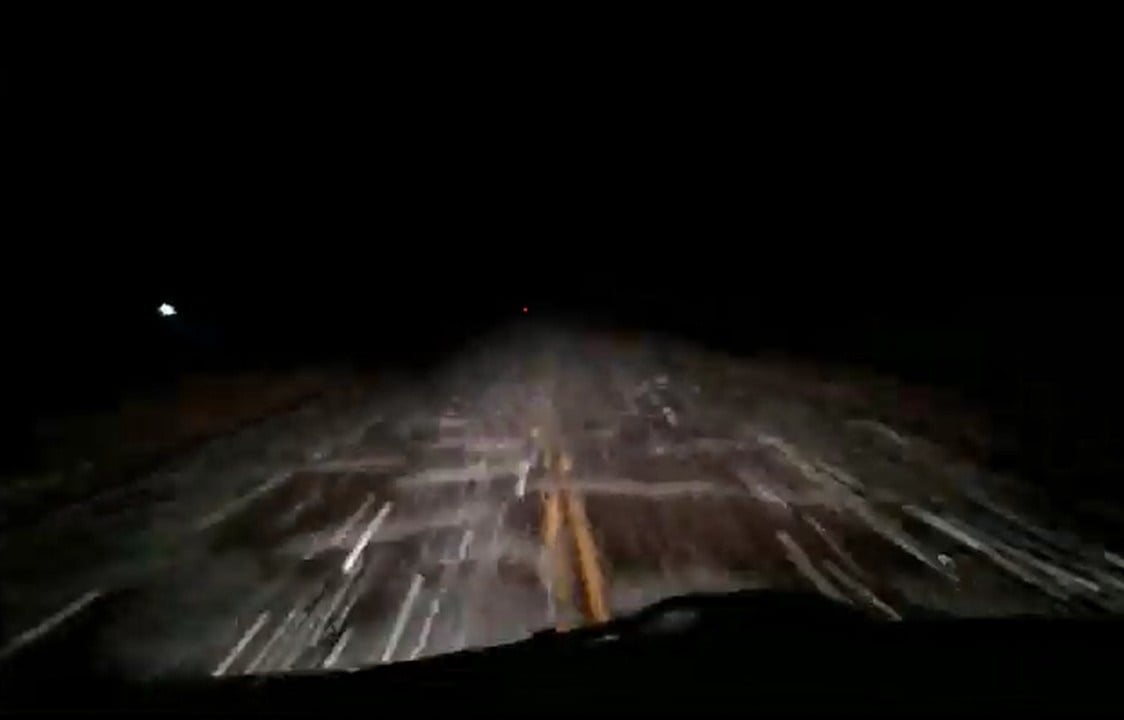
Outside, the world had disappeared completely.
No sky.
No road.
No horizon.
Just swirling white.
I couldn’t see six feet in front of us.
This wasn’t driving anymore.
This was survival.
I begged to turn around.
The Amish urged us forward.
Allen did too.
So I shut down the part of myself that knew better and kept driving.
Then, through the blinding snow, red and blue lights flickered ahead.
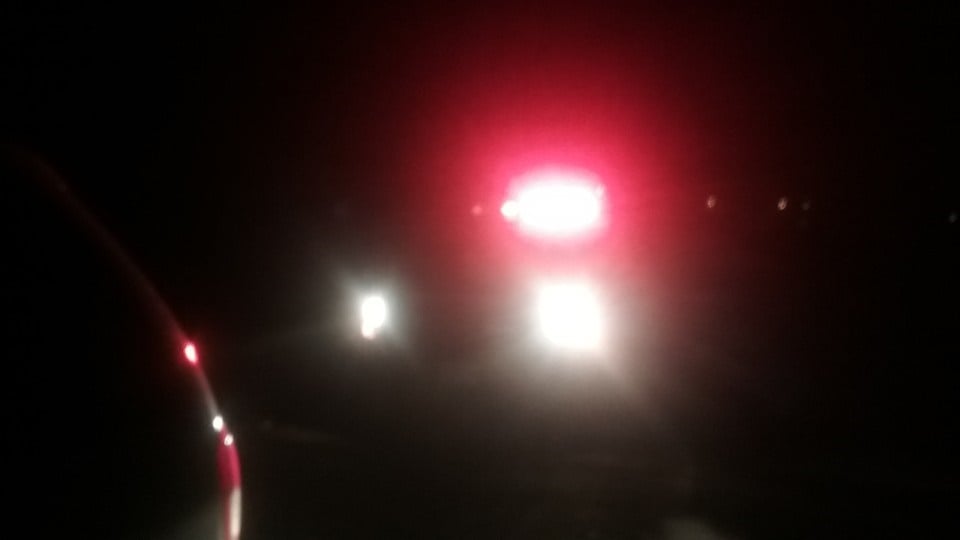
Relief hit me so hard I almost cried.
Finally — something had forced the issue.
Blocking both lanes were a four-wheel-drive pickup and a wrecker truck, lights flashing. Behind them sat a blue sedan, half buried in snow, facing the wrong direction.
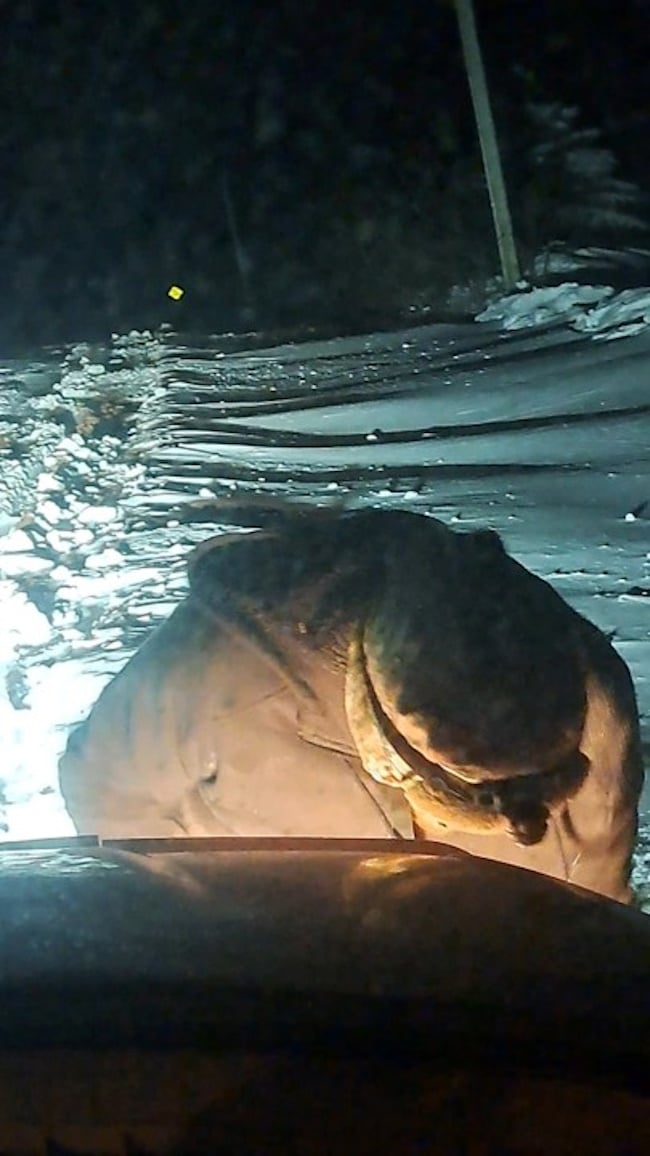
A bearded man emerged from the storm, bundled in heavy winter gear. He waved frantically and shouted for us to turn back.
I stopped the van and urged Allen to talk to him.
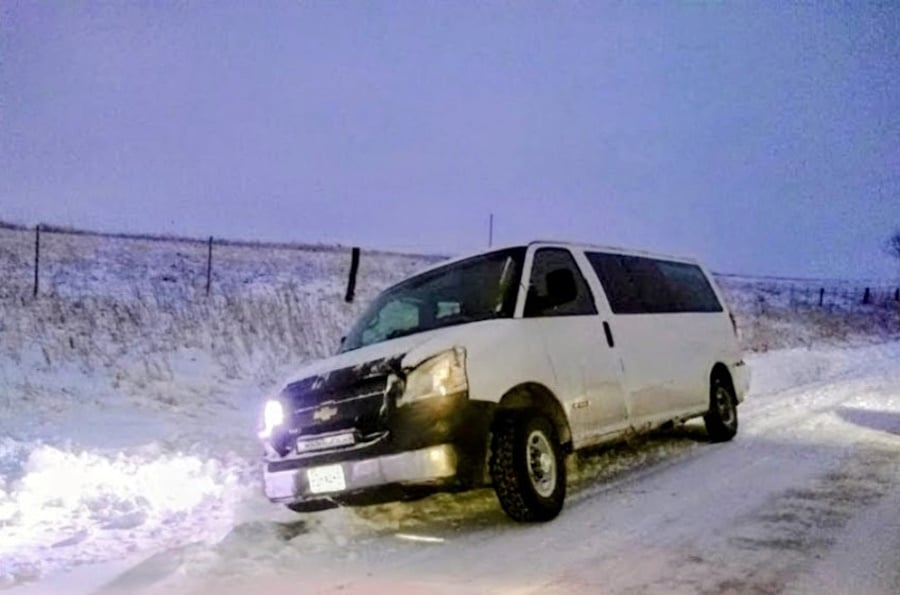
Unbelievably, Allen wanted me to drive around the vehicles and keep going.
I refused.
That was it.
Anyone could see the two-foot drift ahead. The road was impassable.
After a moment, Allen returned and motioned for me to move to the passenger seat.
“We need to remove the trailer and turn the van around,” he told the Amish men. “The road is blocked.”
They didn’t hesitate.
Two Amish men jumped out immediately to help.
I sat back, shaking, as the tension drained out of me like melting ice.
For the first time in what felt like hours, I wasn’t responsible for nineteen lives.
I was done.
The men worked quickly, detaching the trailer while snow whipped around them.
Inside the van, my body finally caught up with reality.
My hands trembled.
My jaw ached from clenching.
Every muscle felt wired and hollow at the same time.
Fear has a way of leaving fingerprints on your nervous system.
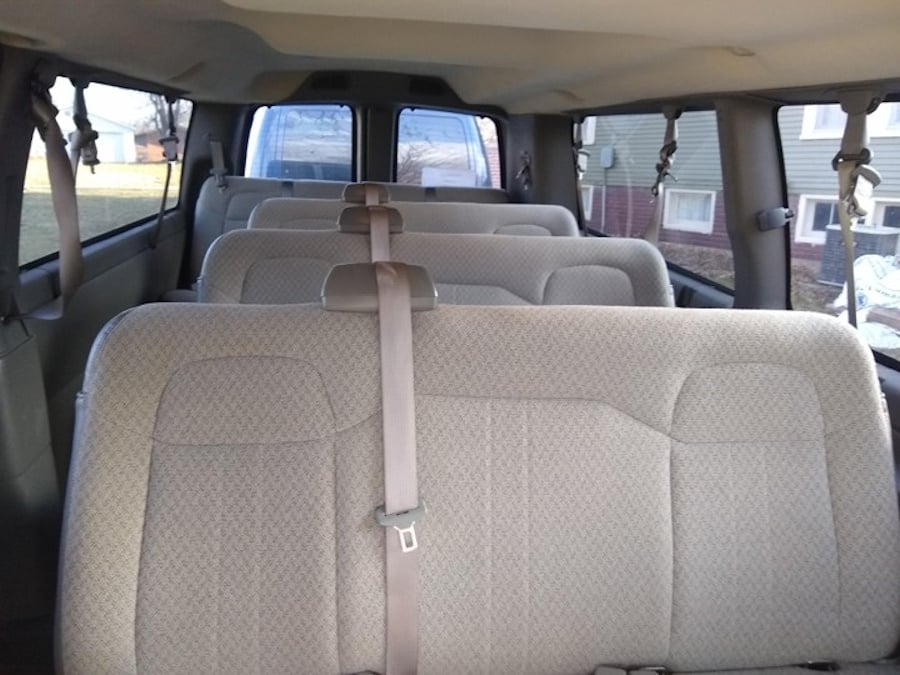
Once we were turned around, Allen took the driver’s seat.
He could decide where to go.
He could carry the weight now.
I leaned back and closed my eyes.
If only for a moment.
Behind us, Marvin and the other men began complaining.
Surely there had to be another way.
They didn’t want to detour.
Didn’t want to lose time.
Didn’t want to waste miles.
Save a mile, save a dollar.
By now, Allen ignored them.
We headed toward Marshalltown so he could regroup and figure out our next move.
Out of the driver’s seat, my fear finally found its voice.
I turned toward Marvin and the others.
“There are babies in this van,” I said, jaw tight. “It’s twelve below zero. That’s before wind chill. Those children will not freeze on my watch. If something happens out here because we’re trying to save a mile, who rescues us?”
No one answered.
Then Marvin’s wife quietly spoke.
“I agree with you.”
Her shoulders were hunched. Her hands fidgeted.
It took courage for her to say that.
I thanked her softly and patted her leg.
Moments later, she withdrew the words.
Sometimes I say too much.
I felt my heart sink.

We rolled on through the storm, shaken but moving.
The whiteout faded just enough to remind us how close we’d come.
Whatever had broken underneath the van was still unknown.
But one thing was clear:
My intuition had been right.
We never should have been on that road.
Haley Straw is a barefoot Amish taxi driver with a storyteller’s heart and a knack for gathering the kinds of tales the Amish share on long, quiet night drives. She tells these stories the way she experienced them —with raw honesty, a healthy dose of fear, and the hard-won wisdom that comes from surviving the storm. This winter series is drawn from her book Amish Christmas Mishaps. You can find her books, free Amish-inspired goodies, and more at haleystraw.com.

![Community Supports Grieving Amish Family; 6-Year-Old Survivor In Stable Condition [Updated]](https://amishamerica.com/images/amishman-mowing-lawn.jpg)
Interesting...
I can see this from both sides: though it’s clear you were both right and honest in context, if you don’t drive it’s hard to judge if the driver is being reasonable in wanting to take a detour or not, and taxis are liable to be a major expense it’s difficult to budget for, especially if you suddenly find yourself needing to fund a non-typical journey.
However, I’m surprised you don’t do such trips on a fixed price rather than by mileage, because then it would be entirely your decision: you’d have no motivation for taking a roundabout route if it wasn’t necessary, and they would have little reason for protesting if you did (it wouldn’t cost them more, and there is no reason why you would spend more time driving than actually needed).
I’m also surprised you don’t make a condition that you WILL turn back, and keep a deposit, if you find they have overloaded the van.
Are these problems fixed in some way by the dynamics of the culture?
Amish Ways
I appreciate your thoughtful perspective — those are fair questions.
In my area, Amish taxi driving operates very simply, as the Amish do. Most drivers charge by the mile. Lodging is either covered by the family, or we can choose to stay in an Amish home. Once the Amish are in the van, I typically let them decide things like van temperature, music (or no music), and often which route to take — so long as it’s safe.
To stay in business, you have to stay reasonably aligned with what other local drivers are doing. Most drivers here do not require deposits, and overloading — while not ideal — is common practice. If one driver suddenly imposed strict policies that others don’t, families would simply call someone else.
It isn’t always the most efficient system, but it reflects the culture: relationships, trust, and simplicity tend to outweigh contracts and formal rules.