
Amish Put Their Money Down For Road Safety: Helping Fund Studies For Proposed Overpass
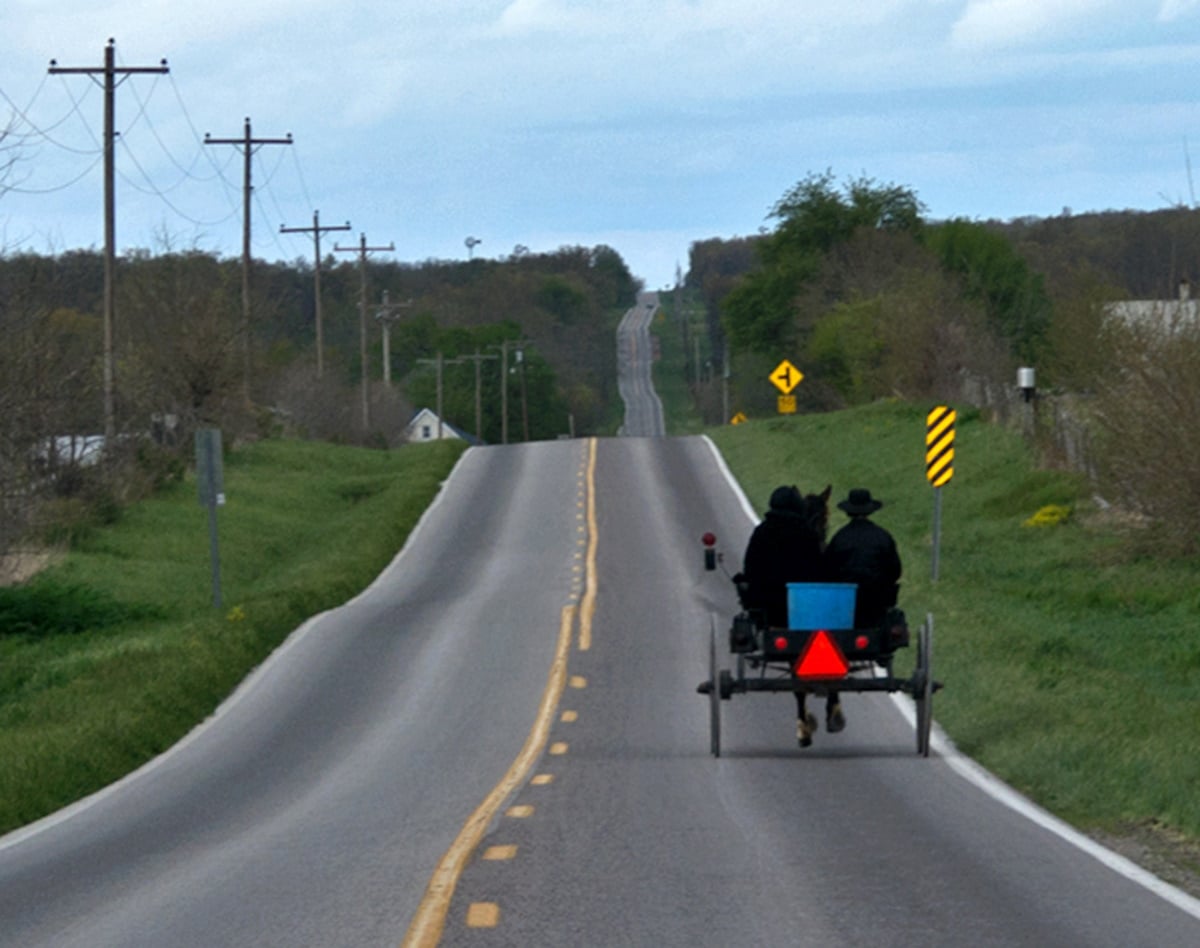
Amish in one community are putting their weight – and money – into efforts to make buggy travel safer for their people. In Seymour, Missouri, the “Main Street Overpass” project is heading to state officials for consideration, backed by local representatives along with the area’s considerable Amish population.
The overpass would span a local highway, providing a safer route for Amish buggy traffic, among other benefits for non-Amish members of the community.
Local officials will soon meet with state government to lobby for the multi-million dollar project’s approval and funding.
And the Amish have done their part to help move the project forward – voicing “strong support” and even partially funding preliminary studies.
From the report at the Webster County Citizen:
The aforementioned project, supported by the city of Seymour and the Webster County Commission, has an estimated cost of $6.4 million and would build an overpass across U.S. 60 in Seymour in a central section of the city, ultimately connecting to Main Street.
Here’s how the Amish are involved and would benefit:
Notably, the project would improve road safety by reducing local Amish horse-drawn buggy traffic along U.S. 60 and at the new overpass, which will be built in 2027 at the intersection of U.S. 60, Highways C and K.
The Main Street Overpass proposal first was discussed at length with Trent in a public meeting held last summer, which was attended by nearly 30 members of the Old Order Amish community in rural Seymour, which numbers more than 6,000 residents, per U.S. Census Bureau estimates.
In that meeting, many Amish residents, most of them bishops and elders in the Highway A and Highway C communities, voiced strong support for the central overpass that would not include U.S. 60 access via ramps.
And the financial contribution:
Studies of the project were commissioned with Crawford, Murphy & Tilly (CMT), a Springfield engineering firm, and the Amish community paid one-fourth of the cost for the detailed studies, including cost estimates and basic bridge engineering drawings.
“We’re optimistic funding for this project can be gained from the state legislature,” Hagen said. “Everyone involved has done their due diligence, and the need is evident. It’s a matter of safety.”
There’s no figure on the total cost, but to have private citizens help fund a study for a government project – even one-fourth of it – is above and beyond what happens in most cases.
Others, including the local school district, support the project as well, as it would make school bus routes more efficient.
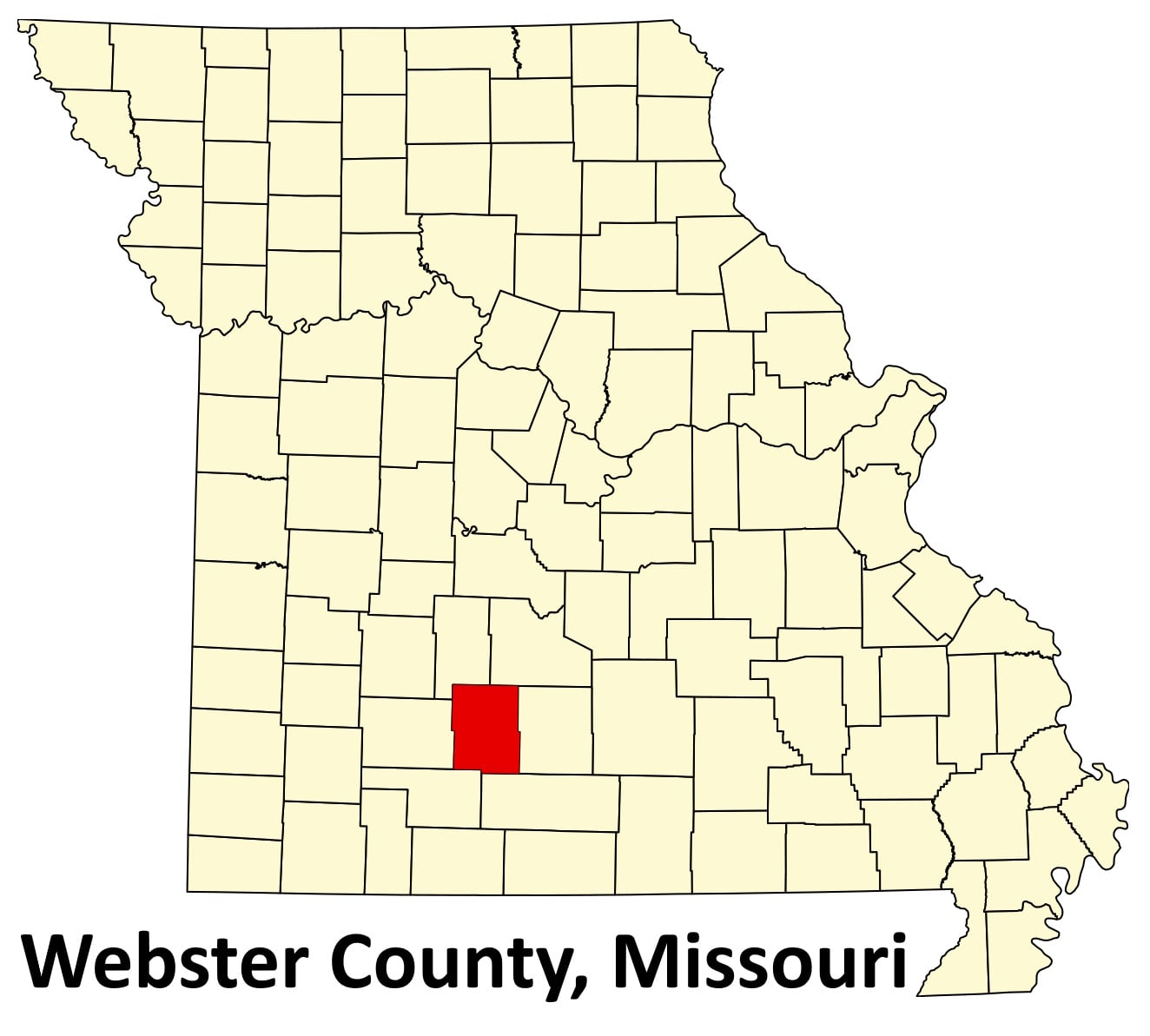
The Seymour settlement is by far the largest in the state of Missouri, though I’ll just note the story’s population estimate of “more than 6,000 residents” appears a bit inflated.
The community was estimated to have 4,325 Amish residents in the Young Center’s 2025 Amish population figures and I would go with those figures over what the Census Bureau might estimate.
This effort brings to mind another recent story of Amish in one Michigan community offering to pay for the construction of a river crossing meant to make buggy travel faster and safer. In that case, the Amish have proposed to go significantly further – to not only pay for the bridge project themselves, but to build it as well.

I don’t expect that the Seymour community will be in a position to cover the multi-million dollar cost of this overpass if it is approved. But their early financial contribution, in addition to their public support, show that they feel this would really help them and that they are invested in getting it done.
I’m not in a position to evaluate the cost-benefit aspect of these government-funded infrastructure projects, but it sounds like this is one that would bring a number of benefits to the community as a whole, assuming the “price is right”. So let’s see where things go from here.



That is my people!
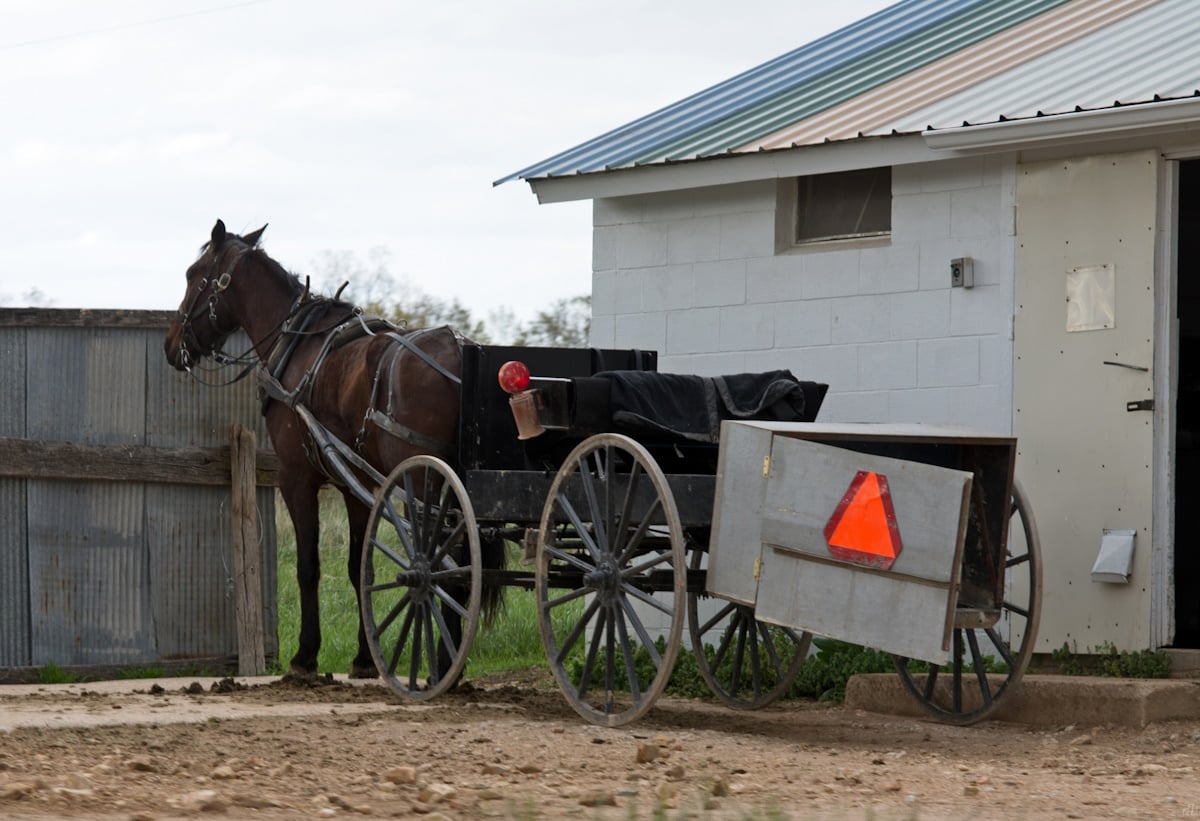
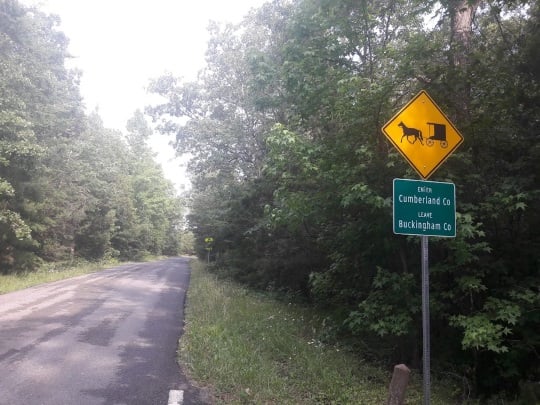
Notice on the picture with the buggy, that there is no top on the buggy which is true for all of their buggies. Likewise it is running on steel wheels. This is symbolic of the lowliness of that community. They do believe in using the orange triangle and did back in the 70’s when I lived with them.
Highway 60 is a four-lane divided highway running East and west, and to cross it from the two lane road coming in from the north, you often can only cross the first two lanes and have to wait in the median section till the traffic allows you to cross the last two lanes going the other direction. Very dangerous to try to control the horse to keep it from lunging forward or pushing backward away from the traffic especially if you do not have brakes on your buggy. My buggy was more modern and had hydraulic brakes on both rear wheels so I simply stepped on a brake pedal and locked the buggy up so the horse could not run away easily. That was one reason I could never join, but it definitely made my buggy more safe and the horse more controllable.