
A Visit To The Amish Of Prince Edward Island, Canada (16 Photos)
Judy Stavisky, author of In Plain View: The Daily Lives of Amish Women, shares her recent visit to an Amish community on Prince Edward Island, Canada, with us today. All photos in this post by Judy Stavisky.
“Would you like to join us for a bowl of ice cream? We churned it ourselves.”
A soft voice from behind a thin blue curtain invited us inside—a welcome relief on a blazing summer day, even in Canada.
My husband and I had found one of the two Amish settlements on Prince Edward Island, Canada’s smallest province. Surrounded by the sea, harborside towns, red sandstone cliffs and gently rolling farmland, PEI might seem an unlikely destination for Amish families.
Yet for those who ventured here from Ontario about a decade ago, the Island offered something increasingly difficult to find in Canada: affordable farmland and room for a community to grow.
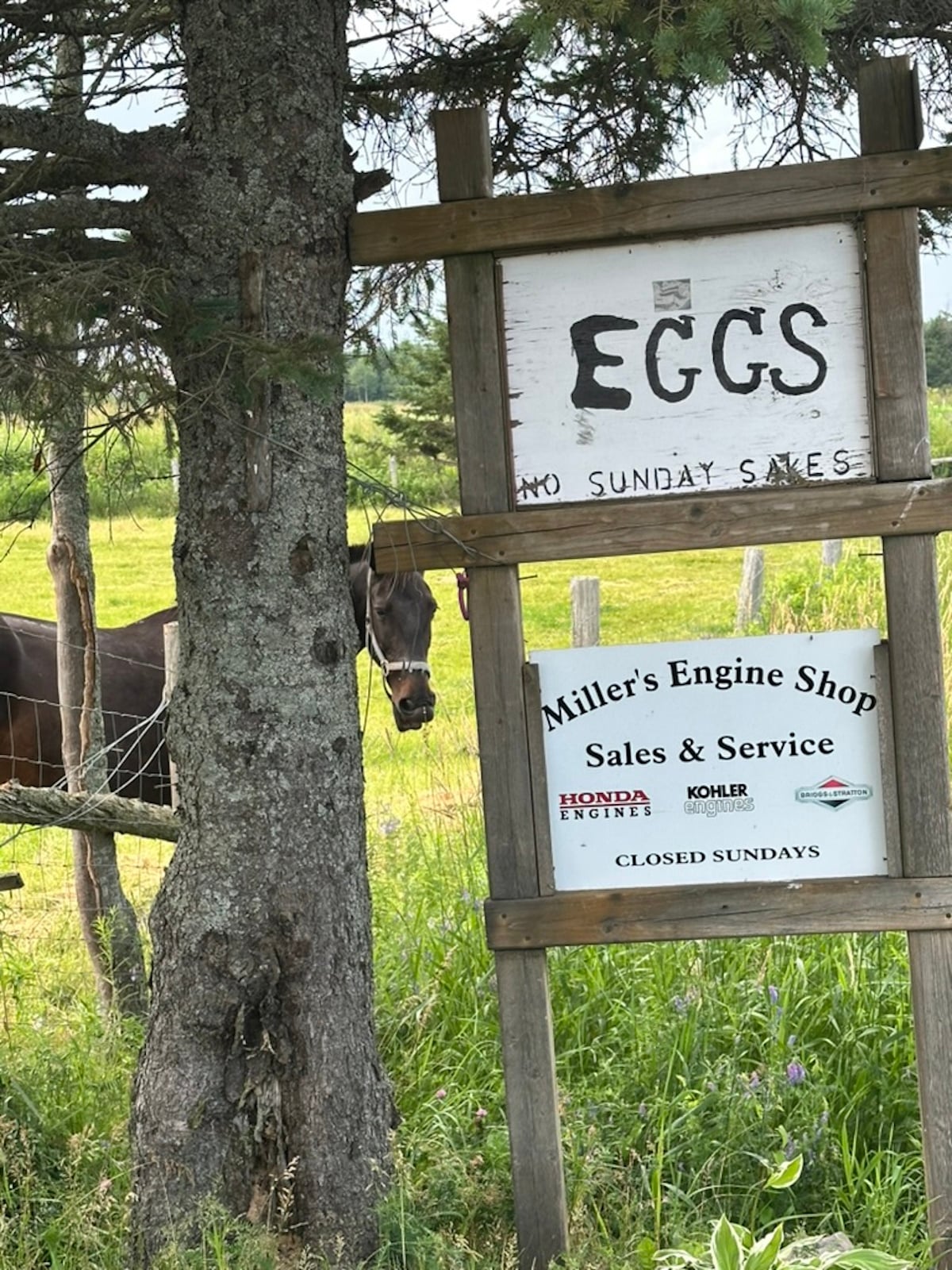
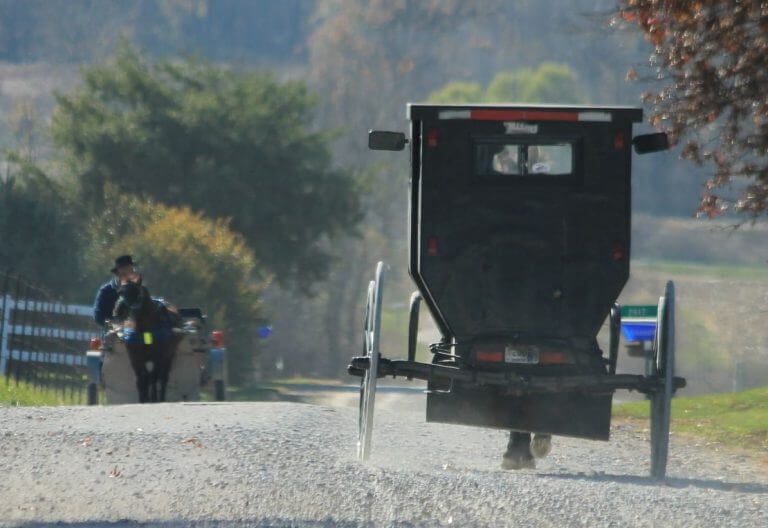
PEI hosts none of the commercial tourism commonly associated with larger Amish settlements. There are no buggy rides, Amish restaurants, quilt shops or official signs directing visitors to the community. Finding the Amish here requires something akin to a rural divining rod. However, handmade signs advertising eggs, maple syrup or strawberries are often promising clues.
We were traveling the rural roads around Mount Stewart, Montague and Summerville, home to the larger of PEI’s two Amish settlements, with approximately 210 people. When we spotted a hand-drawn sign advertising eggs, we turned onto a dusty driveway. An Amish man in his forties came outside to greet us.
“Wie bischt du?” I ventured—“How are you?” in Pennsylvania Dutch.
My entire Pennsylvania Dutch vocabulary consists of that one greeting, but it was enough to provoke interest. First the father appeared, then the grandfather, followed by several adolescent boys and young men from the family and neighborhood, all curious about the English woman speaking Pennsylvania Dutch—and coming all the way from the United States!
William, an Amish elder with a wispy gray beard and gentle smile, met us on the porch with his son. He explained that Old Order Amish communities in Ontario had sent out “scouts” more than a decade ago to search for land that could be purchased and farmed at a lower cost than comparable property in Ontario.
Local newspapers welcomed the newcomers as a potential boost to the Island economy and reported that the move had been discussed and facilitated for several years before the first families arrived.
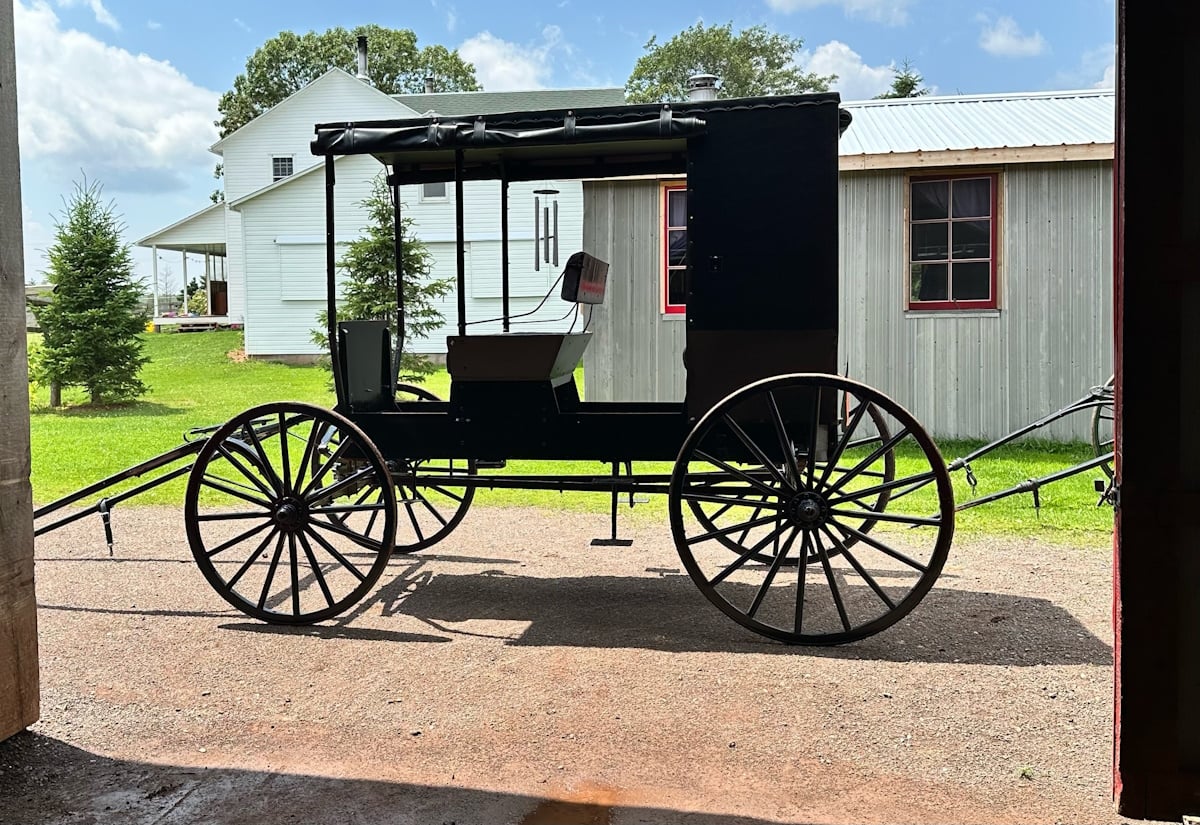
The men and boys had paused for their midday meal: roast chicken, thin-skinned (and famous) PEI red potatoes mashed and piled high, and hand-churned ice cream. Their clothing resembled that of Amish men in Lancaster County, although we noticed subtle differences.
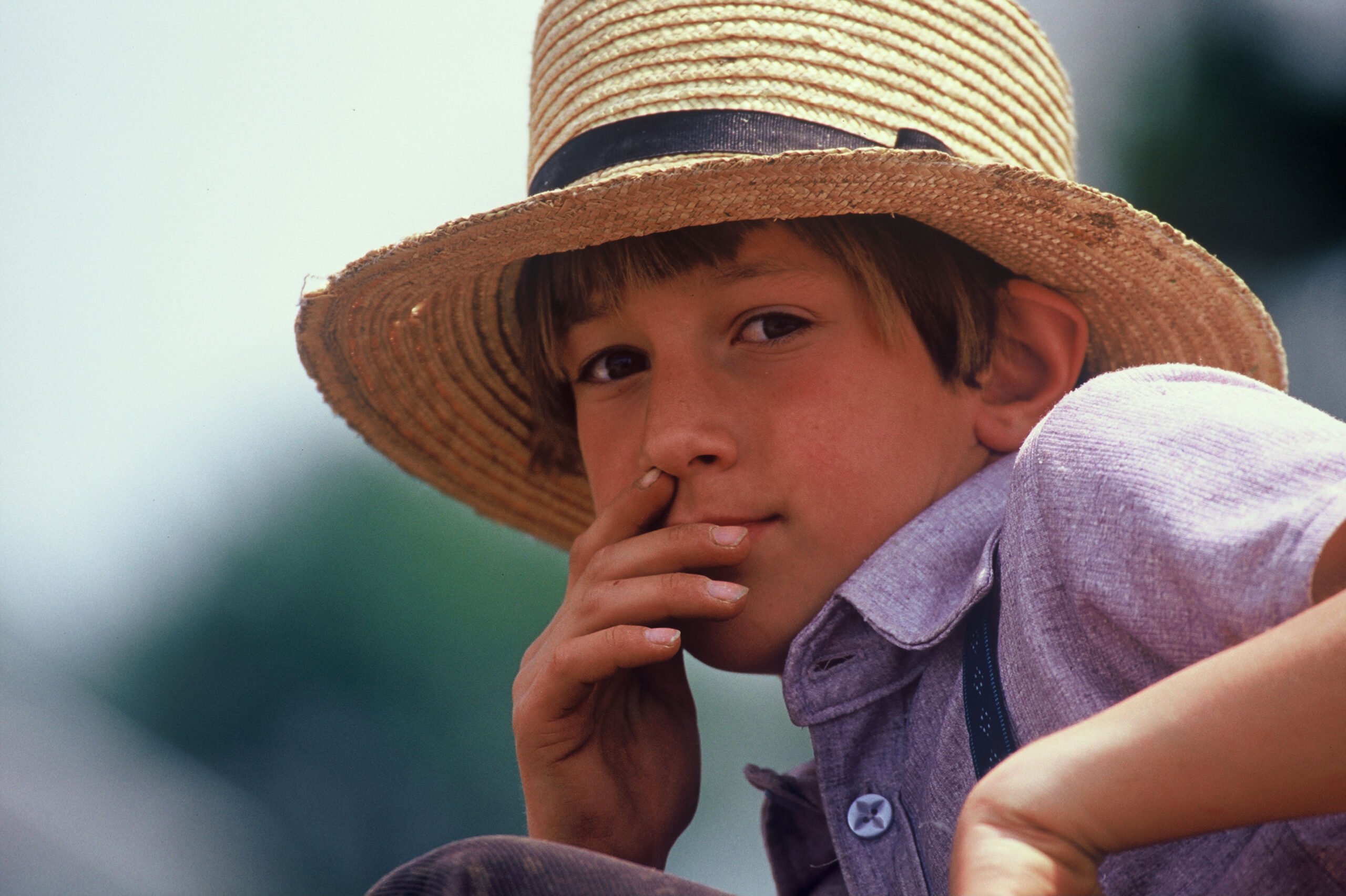
The boys’ hair was cut shorter in the front and back. Some wore denim trousers, a fabric not commonly used for men’s clothing among Lancaster Amish. Their hats also had softer crowns and differently styled bands.
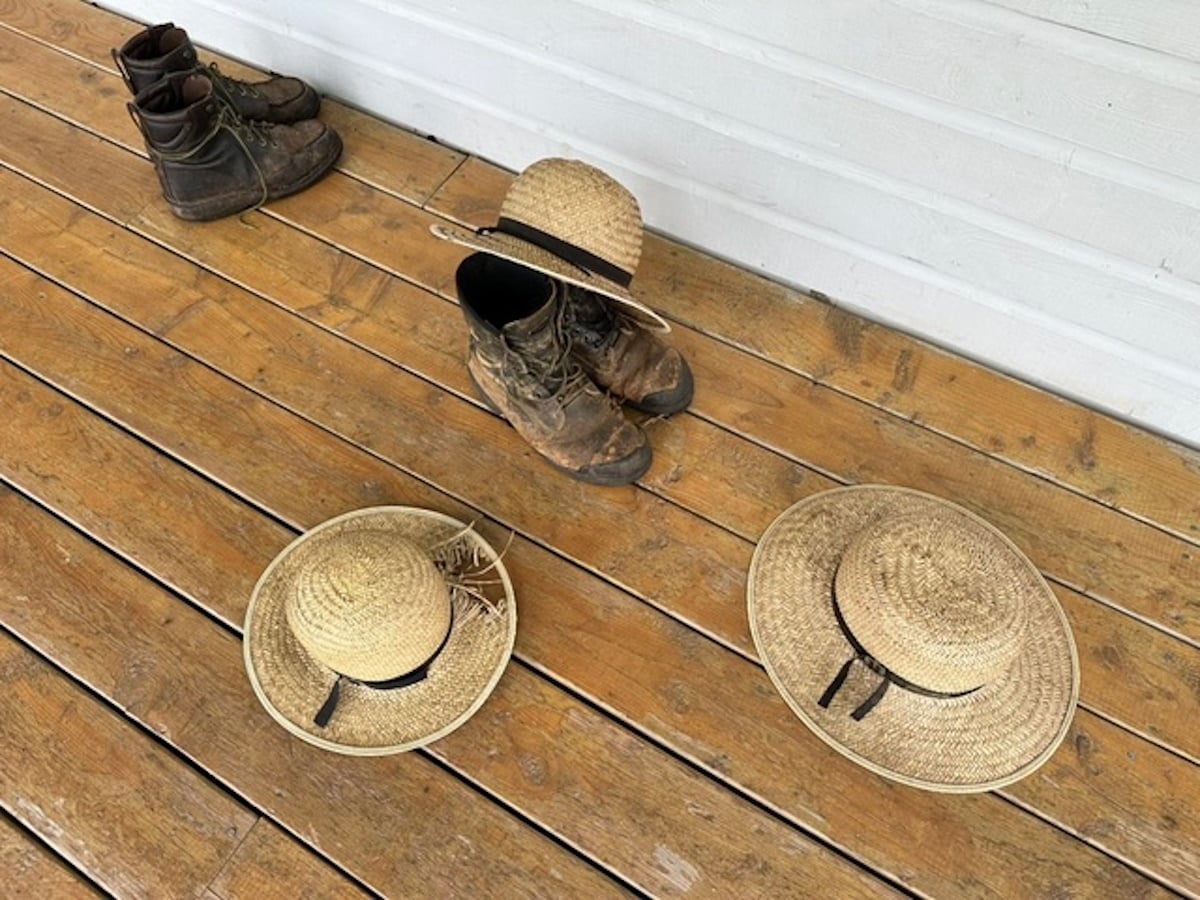
Several Amish families began moving from Ontario to PEI in 2016. The Young Center for Anabaptist and Pietist Studies at Elizabethtown College identifies two settlements on the Island.
The second lies between Dundas and Cardigan, roughly 20 miles away, and like the first, difficult for an outsider to locate without knowing someone in the community.
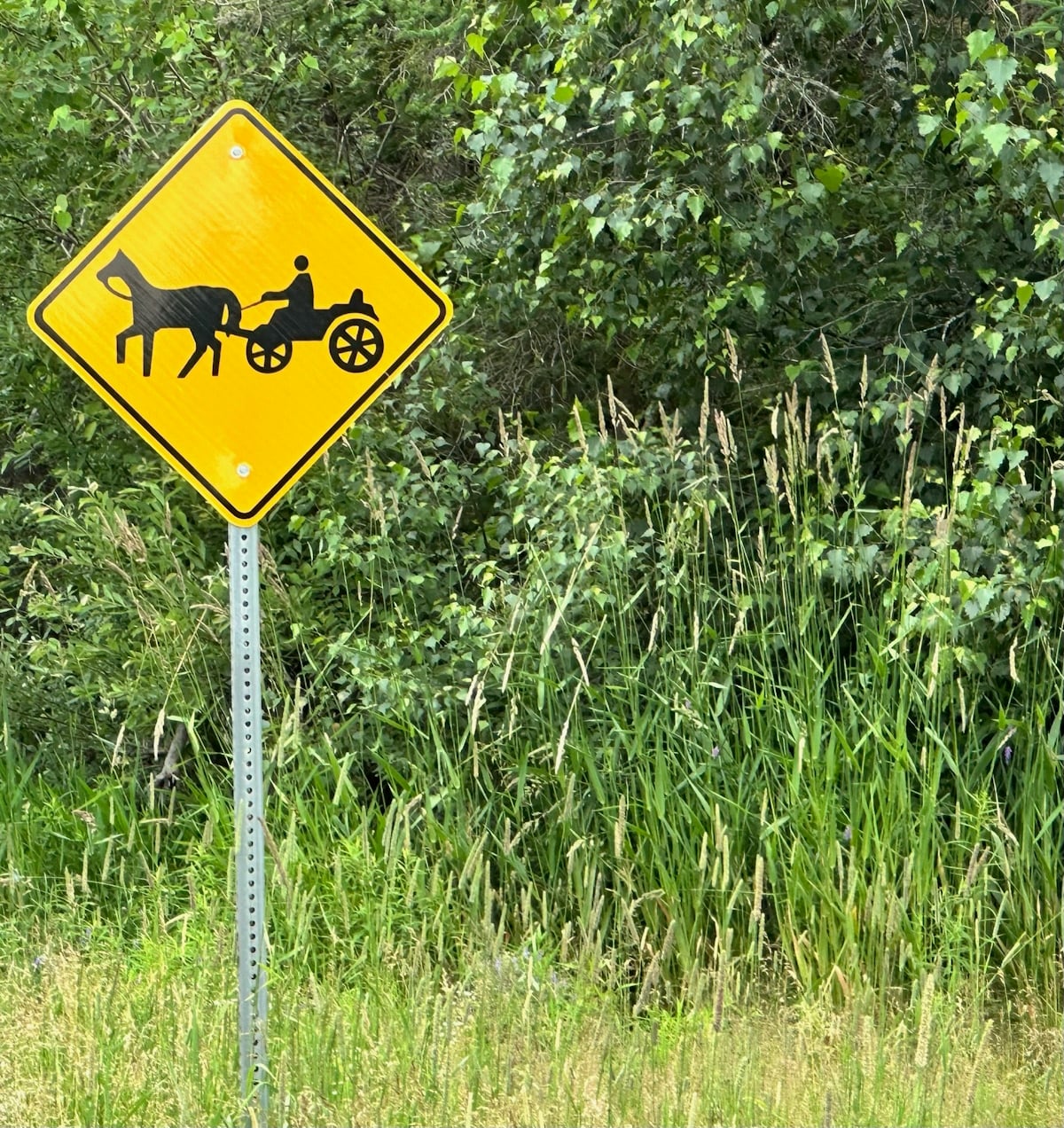
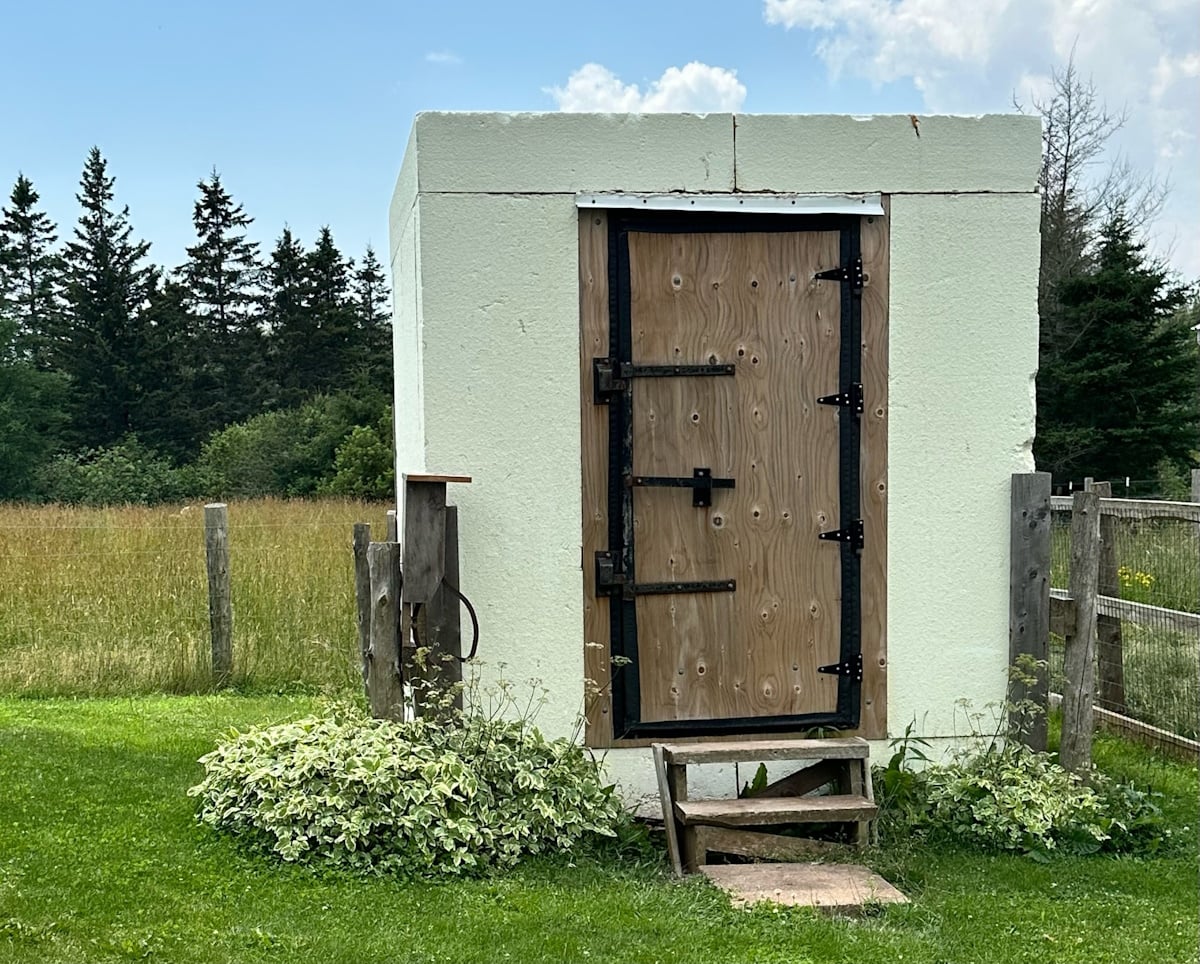
The Mount Stewart–Montague–Summerville settlement is a conservative Old Order community. Several neighboring families may share a single telephone number. Cloth diapers are the norm, and outdoor icehouses extend the period during which food can be kept cold.
One Amish man, who sells woodstoves as well as maple syrup, waffles and birdhouses, explained that he cuts 15-inch-thick blocks of ice from a nearby lake. Stored in an insulated icehouse, the ice can last until December.
Abundant Canadian wood heats Amish homes and fuels vintage cookstoves. Kerosene lamps provide light. Solar panels, inverters and generators are not used. Worship services are held every other Sunday, with each family generally hosting church about twice a year—an indication that the settlement includes more households than a casual visitor might initially see.
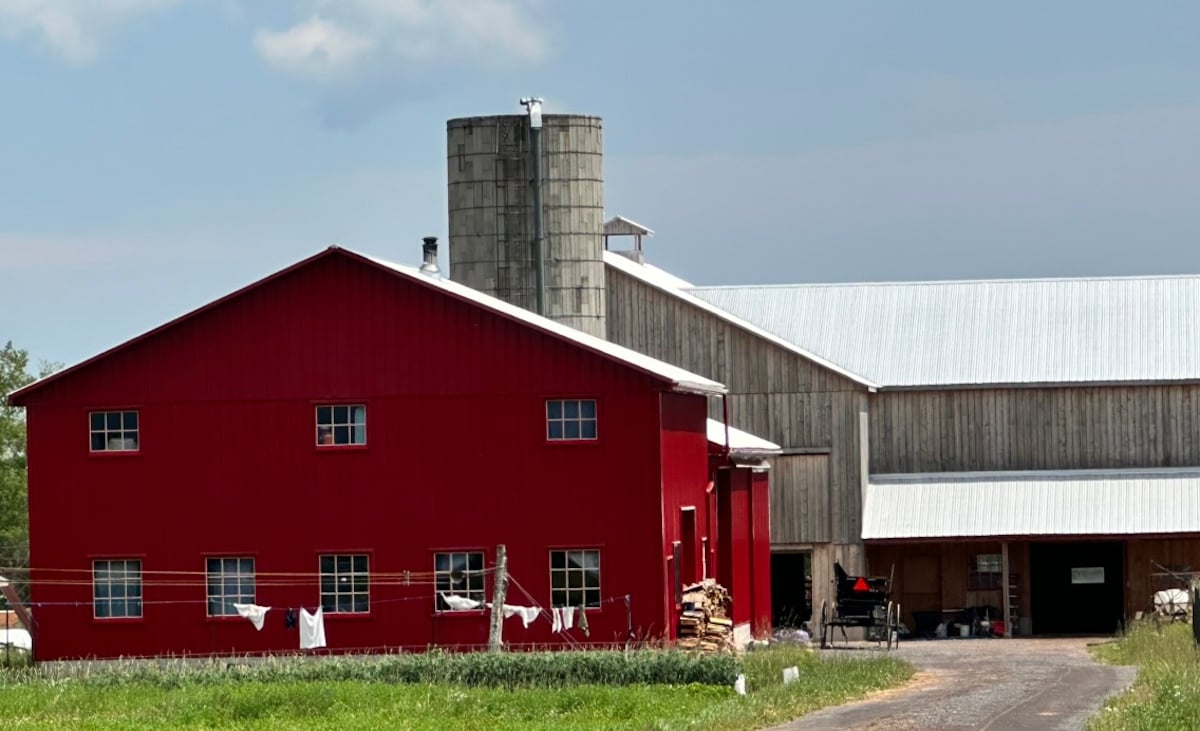
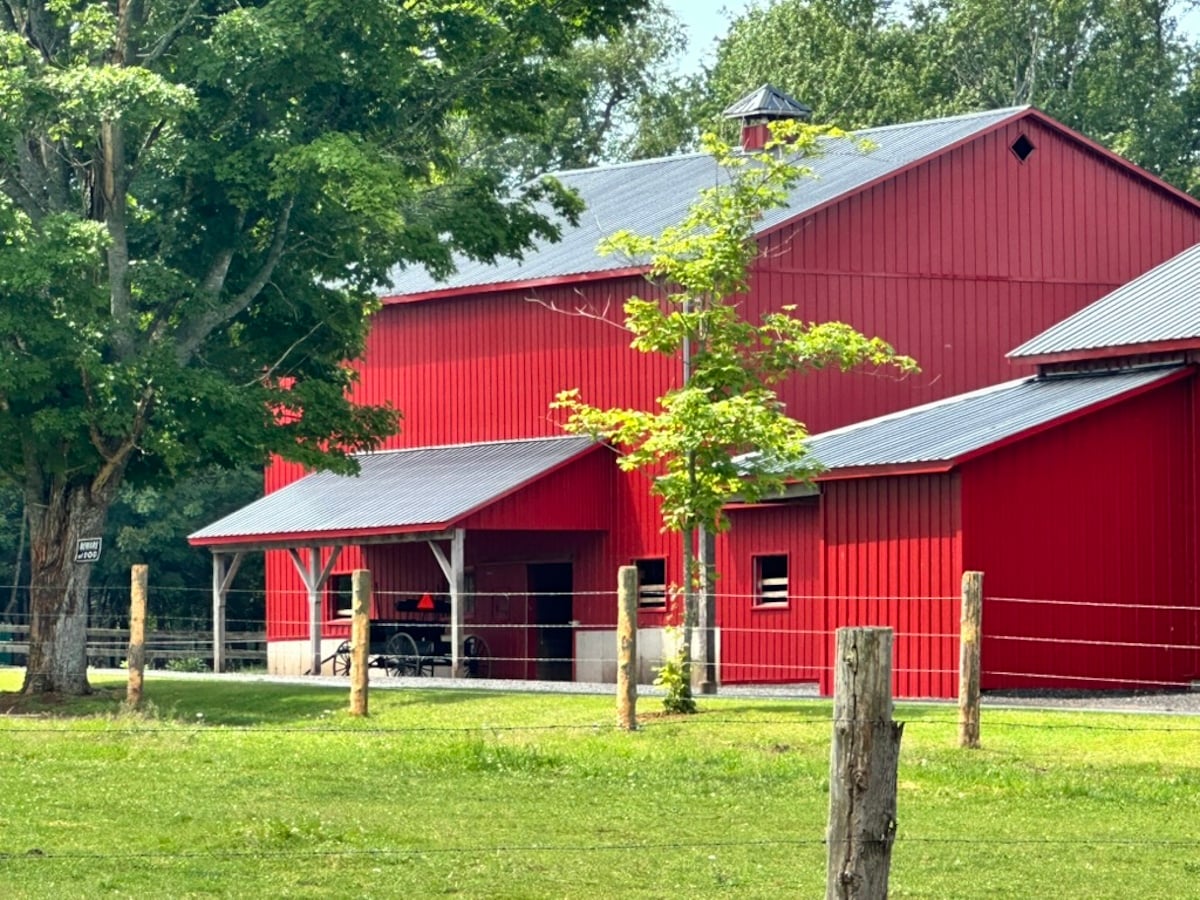
As we traveled farther, one white Amish homestead appeared, then another. Powder-blue doors and cobalt curtains distinguished the homes, which were surrounded by immaculately tended vegetable gardens, refurbished barns and outbuildings.
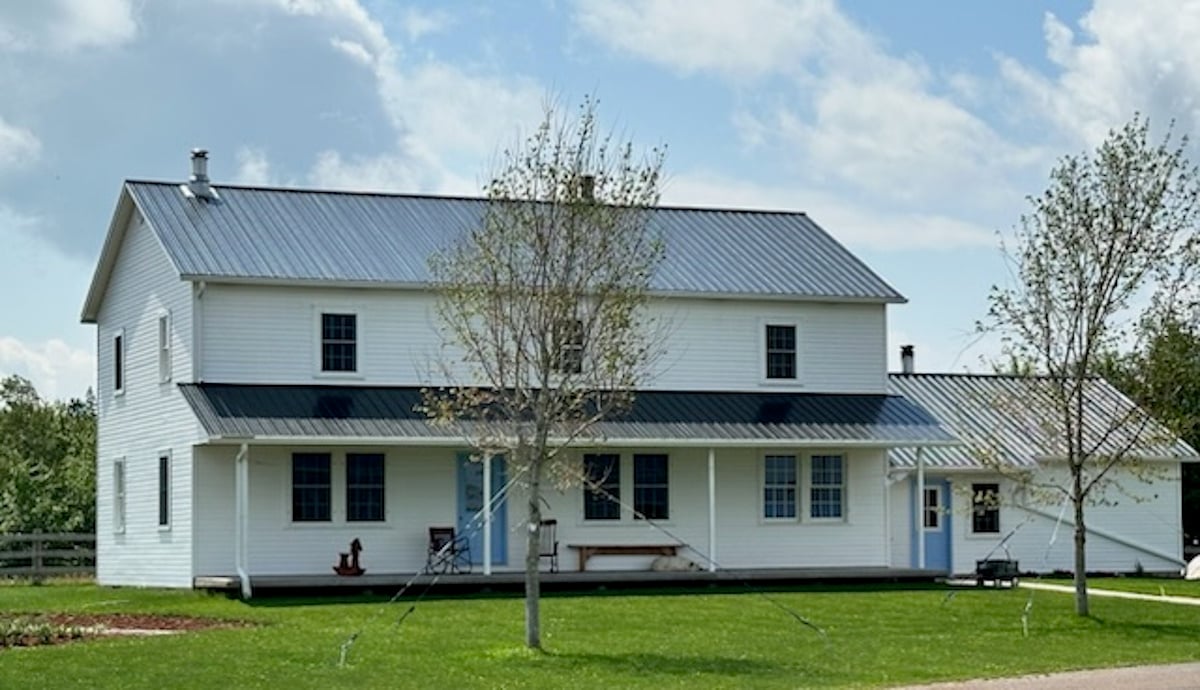
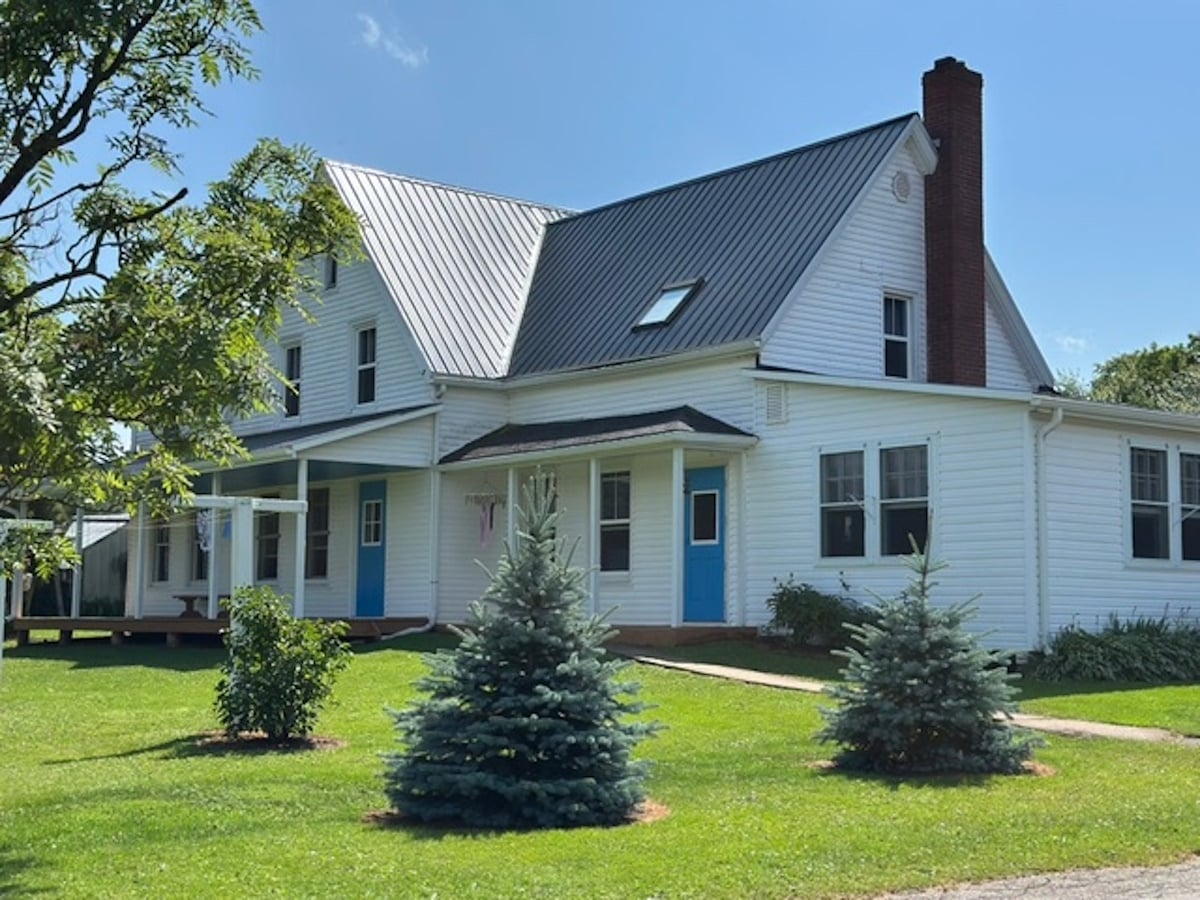
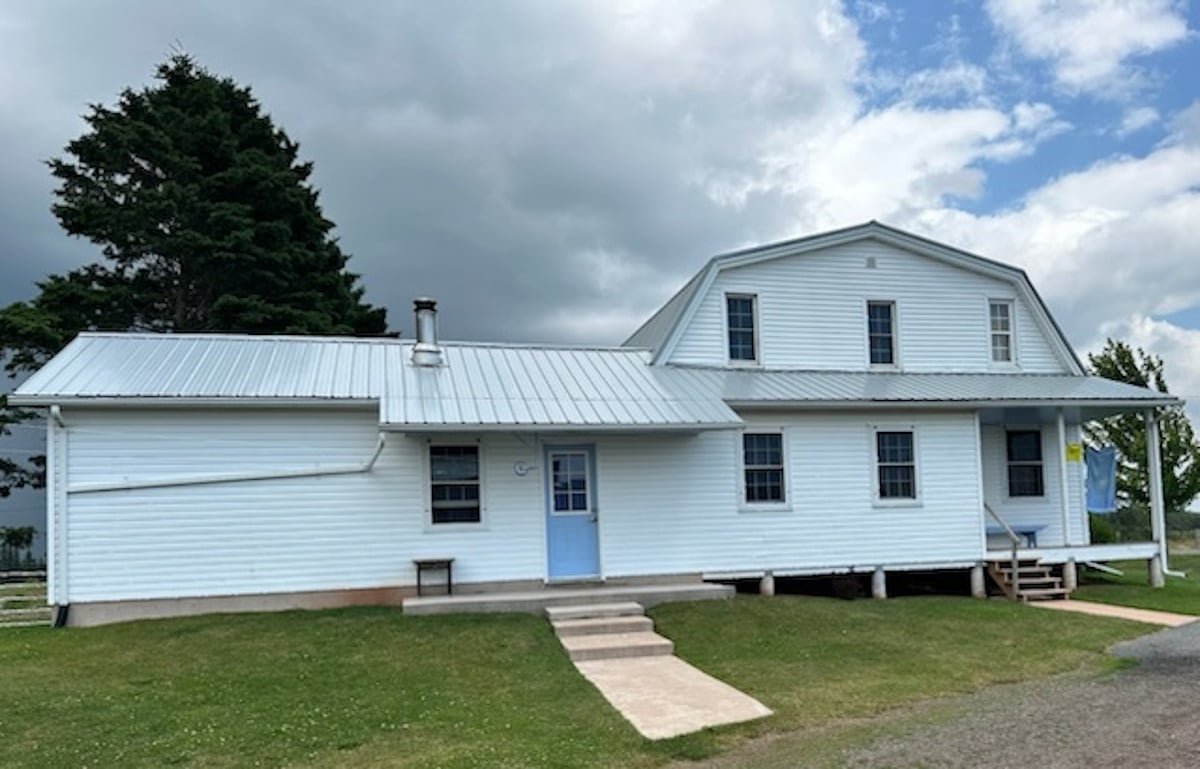
The PEI settlements are also historically significant because of accommodations made by the provincial government. Prince Edward Island revised its home-education requirements, removing the need for a certified teacher and later eliminating the requirement for a formal education plan.
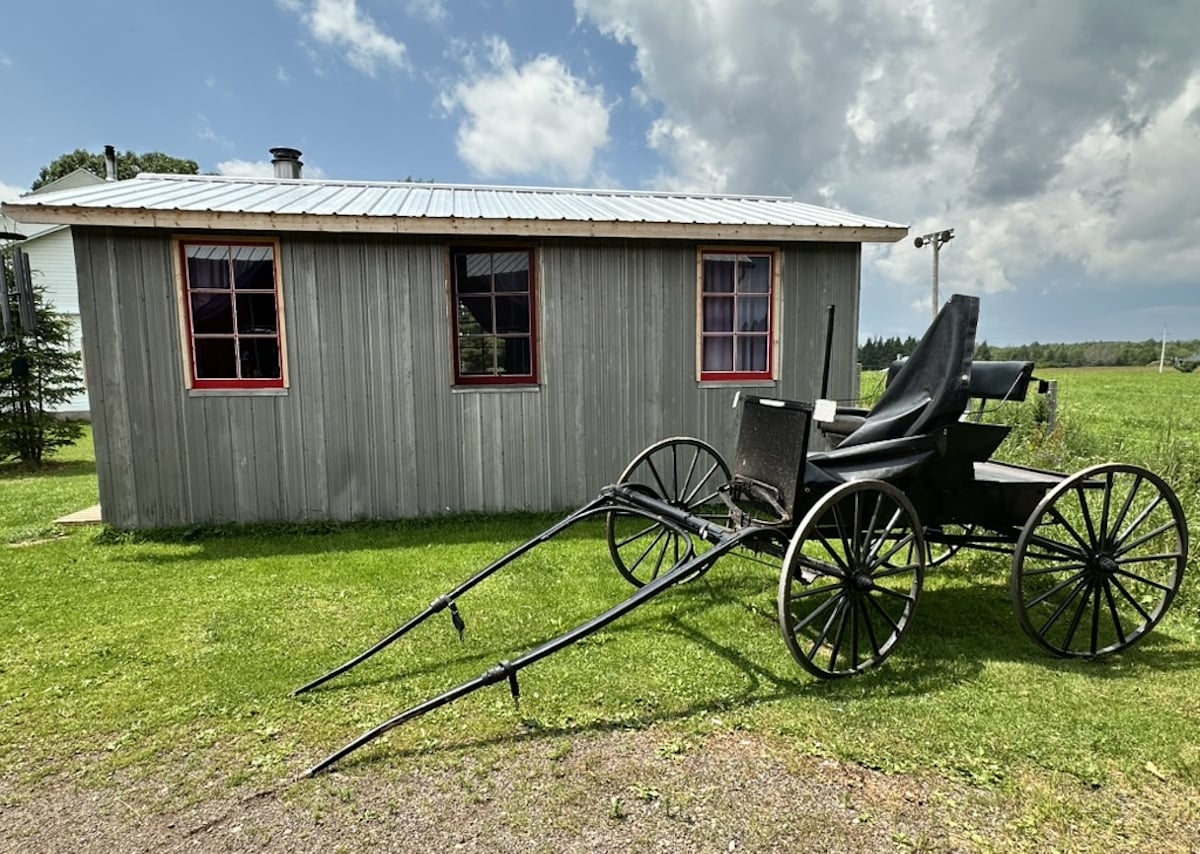
These changes allowed Amish one-room, multigrade schools to operate legally under the province’s home-education provisions. We visited two of the schools, both closed for the summer, and learned that a third was being constructed about ten miles away.
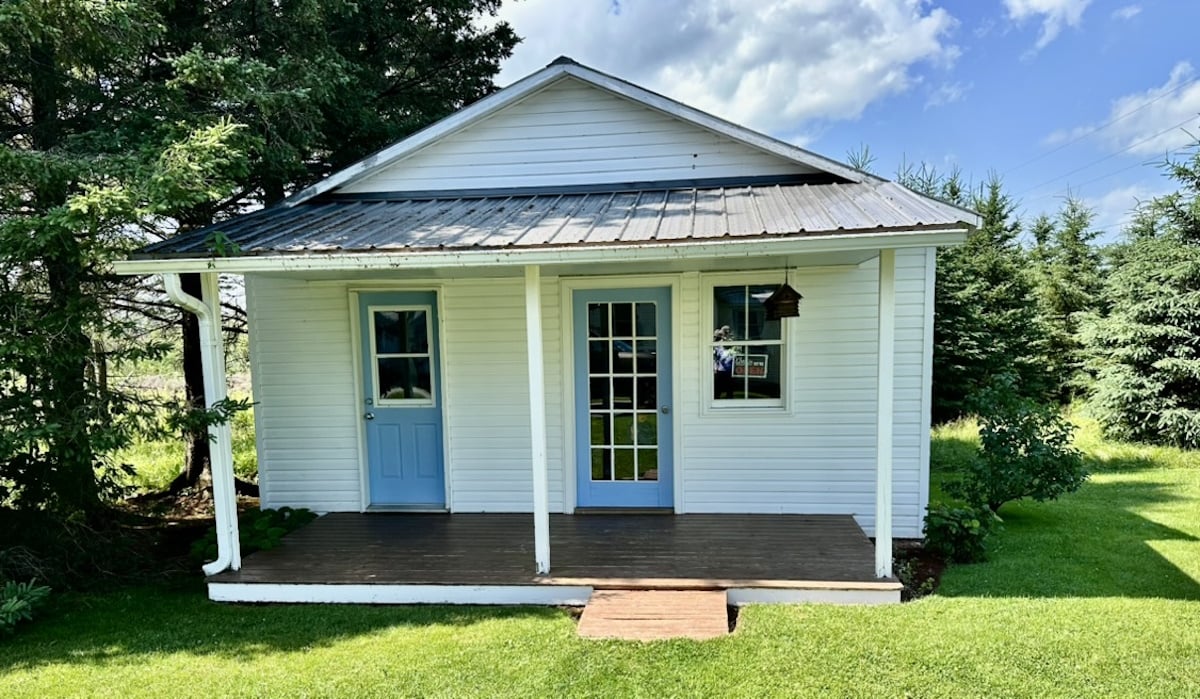
When we entered the home, we immediately noticed how much cooler it was than outdoors, despite the absence of fans or air conditioning. The family carefully managed the heat by keeping the blue curtains closed and limiting use of the woodstove.
We settled into timeworn chairs and were presented with heaping bowls of velvety homemade vanilla ice cream. A Mason jar filled with fresh strawberry sauce was passed around the table, followed by warm molten chocolate cake to accompany the already indulgent scoops.
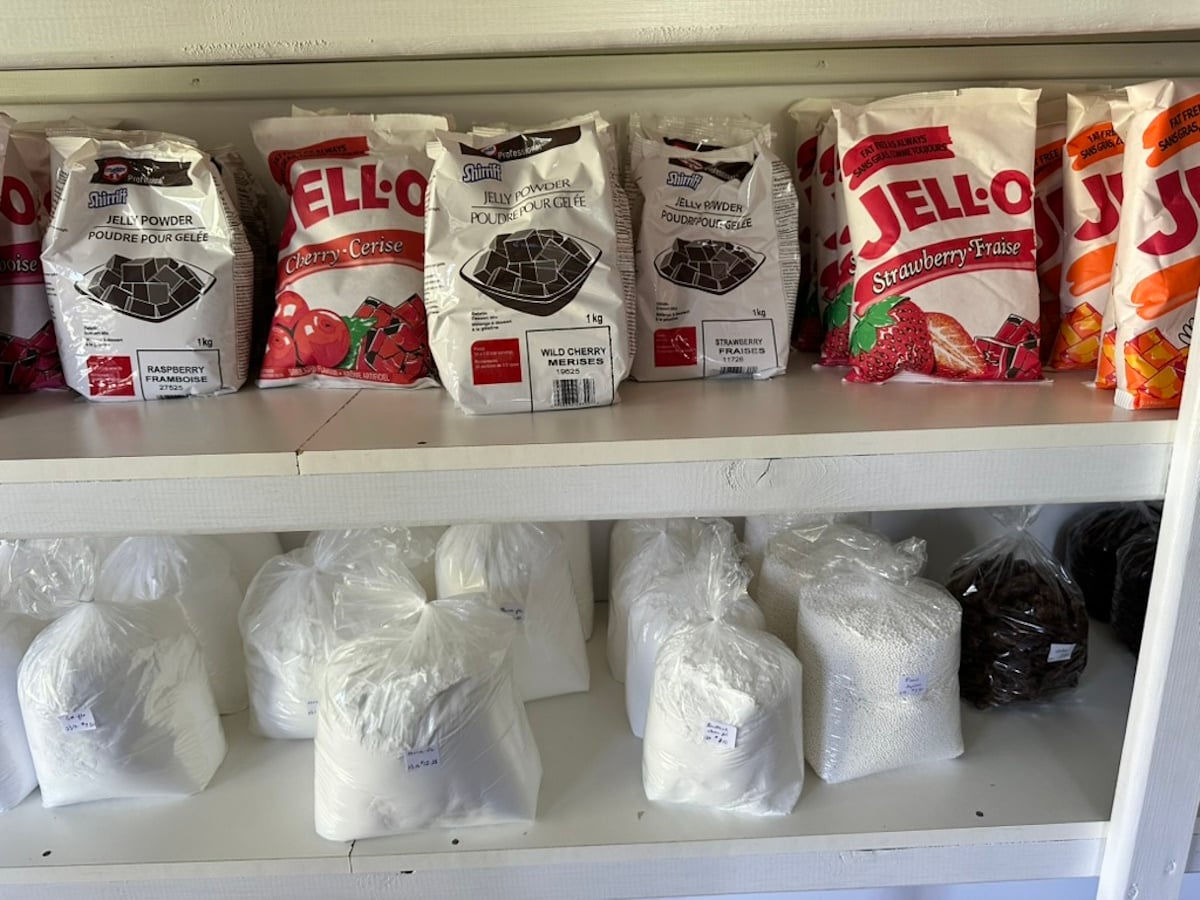
Four adolescent girls joined us at the wooden dining table, along with their mother and grandmother, who watched quietly and remained attentive to any bowl that might require another helping.
The large family room, which can be opened to accommodate church services, had been completely closed off that day to help contain the cool air. A vintage treadle Singer sewing machine stood near a window.
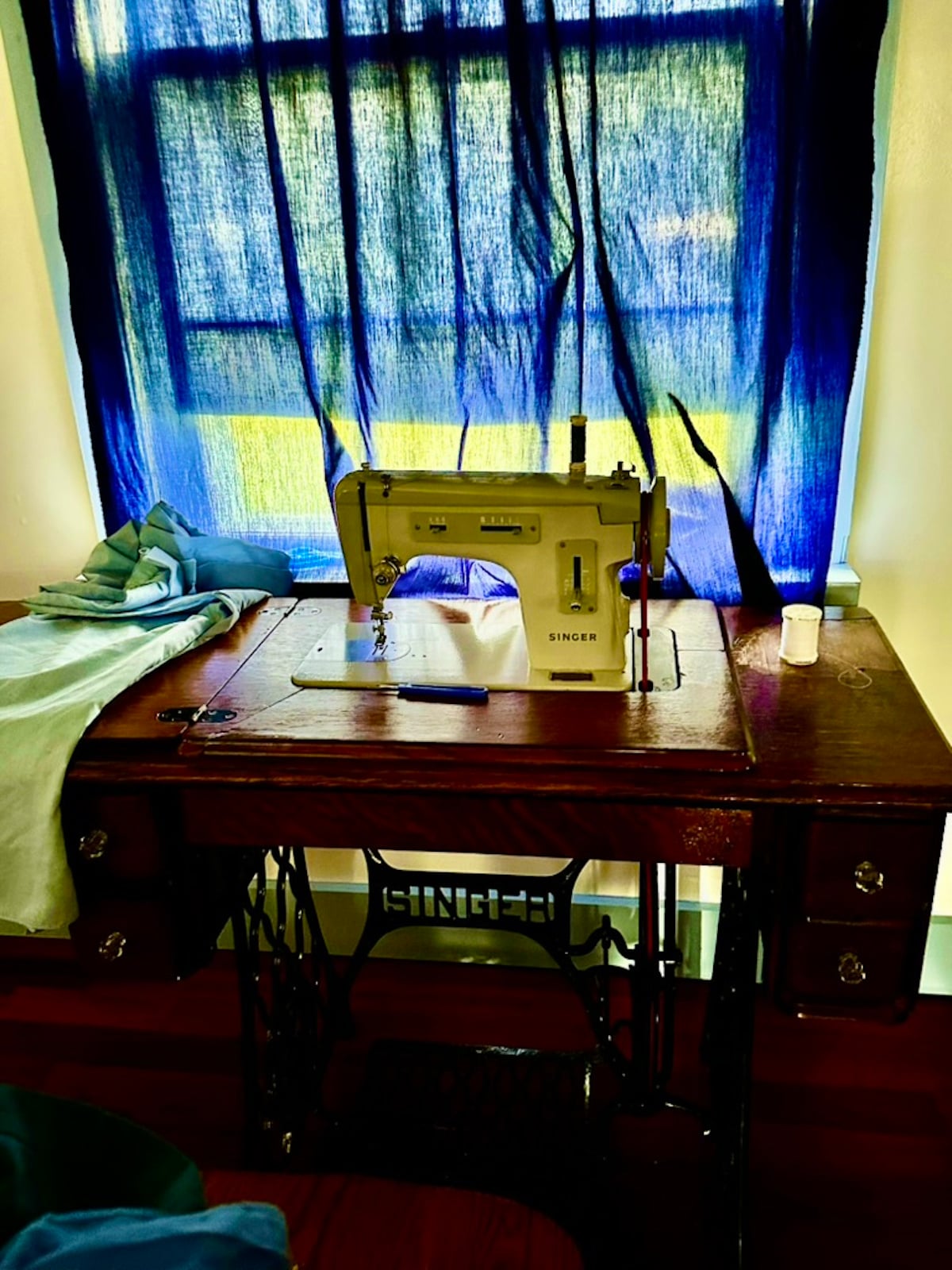
Sturdy blue kerosene lamps, their etched-glass globes reading “Home Sweet Home,” rested on a handsome hand-hewn bureau crafted by the grandfather, a master custom woodworker.
Later, we were invited to the grandparents’ home and shown the grandfather’s workshop. It was meticulously organized, with machinery powered through an ingeniously adapted diesel-engine system.
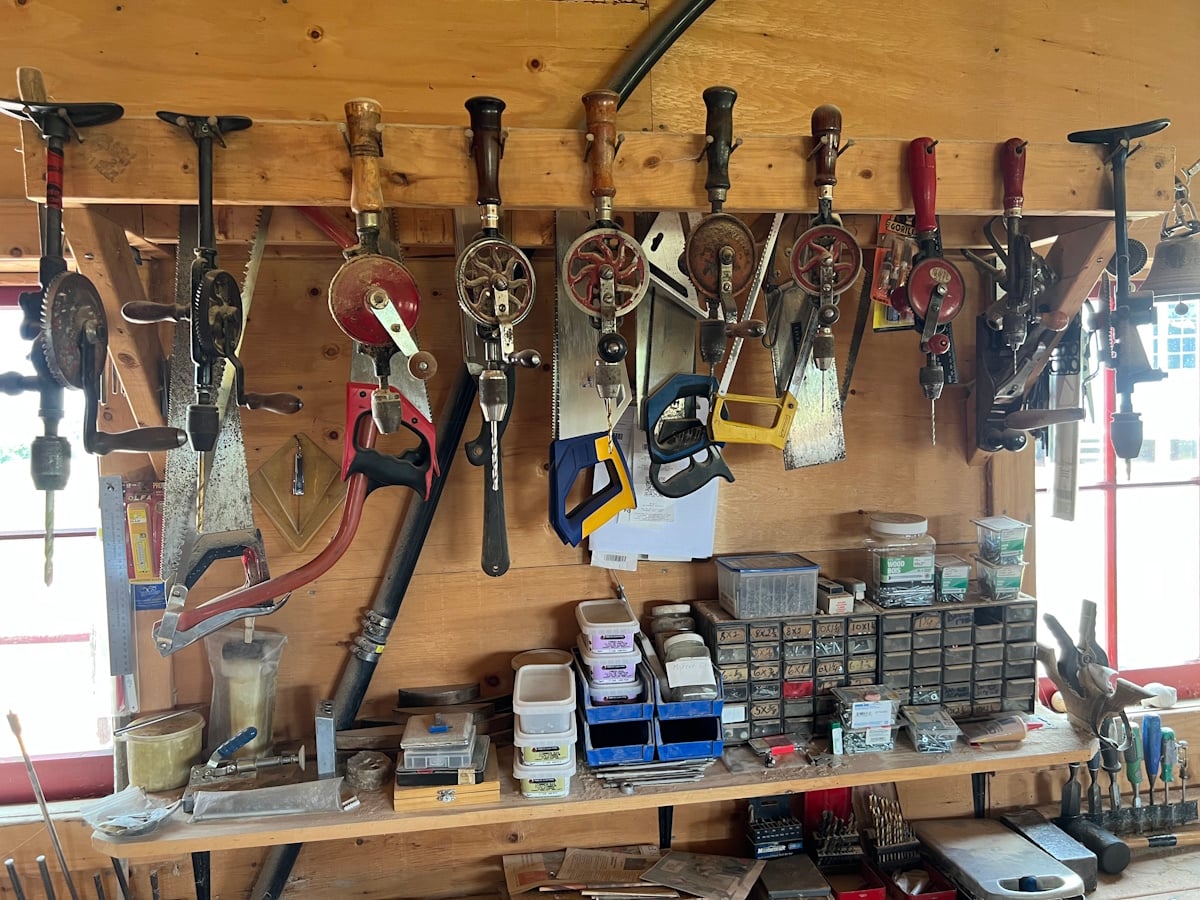
The visit offered another glimpse of the practical ingenuity that allows Amish families to preserve their religious principles while building productive lives in a new environment.
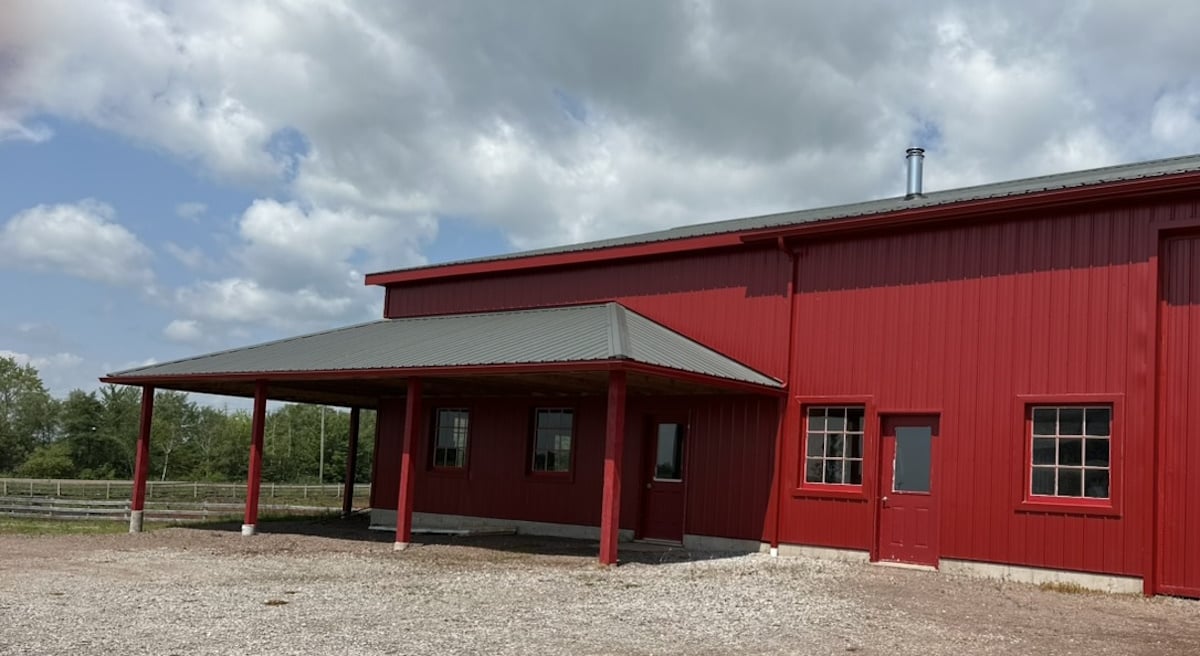
We had begun the afternoon following a modest roadside sign for eggs. And we left with a fuller understanding of how this small community had taken root on the Island, almost invisible to the outside world.
Judy Stavisky, MPH, M.Ed., is the author of In Plain View: The Daily Lives of Amish Women (Herald Press), drawn from more than a decade of visits, conversations, and friendships with Amish women and families in Lancaster County. The book offers a rare window into everyday life and includes 75 respectful photographs. Available at Mennomedia.org or your favorite book seller.
More from Judy Stavisky:
- Visiting Amish Businesses at Unity, Maine (8 Photos)
- Judy Stavisky on In Plain View: The Daily Lives of Amish Women
- In Plain View: The Daily Lives of Amish Women Book Winner & Excerpt
PEI is a good home for Amish
The province is quite rural. The soil is quite fertile. I believe many of the locals were no longer interested in farming. Thus, good farms were becoming available. Win-win for the province. PEI is also quite beautiful, which may also have been appealing. While traveling in our motorhome in the maritime provinces quite a few years ago, we thought we might spend a couple of days on PEI. It was so nice, we spent 2 weeks!
PEI is a find!
Prince Edward Island is strikingly beautiful: sea-edged villages, pastoral countrysides. It is also surprisingly easy for Americans to visit. Canadians drive on the same side of the road, and the favorable exchange rate is an added bonus: a $15 Canadian lobster roll costs only about $11 U.S!
PEI Amish
I really enjoyed learning about this group of Amish. Nice photos, too.
Denise, I appreciate your comment on the article. It was fascinating to learn about an unfamiliar Amish community, who were equally curious about us!
Thank you, Judy
I remember working at Pathway, and the late Dave Luthy and I drove over to a community to hear about their plans to move to Prince Edward Island. Despite the distance to other Amish settlements, both seem to be doing well. And, there are now two Amish settlements in New Brunswick. Thanks, July. Marvelous pictures and commentary.
Thank you, Joe! This PEI Amish community clearly devoted a great deal of thought and planning into their move, over 10 years ago. The fact that a third schoolhouse is being built this summer seems like a promising sign of the community’s growth.
Taking photographs among the Amish is always a bit of a quandary—wanting to capture a meaningful image while remaining respectful of Amish preferences about being photographed. The photograph I most wanted to take was of 10 young Amish boys and teens, each dressed identically in navy blue or forest green shirts, peeking around the porch posts, curious about this English woman from the U.S.