The Amish Call It a Frolic. For This Young Family, It Meant Dozens of Helping Hands
After last week’s story of an Amish neighbor unexpectedly returning a favor, Haley Straw returns with a story in a similar vein. Only this time the favor is of the “pay-it-forward” variety – and on a much larger scale.
Snuggled warm in bed, hoping to catch up on sleep, my phone rang interrupting a sweet dream. Blurry eyed, I fumbled for my phone thinking, “It better not be the Amish again.”
Of course, it was the Amish.
A young Amish man needed a ride to his new property.
That sounded simple enough.
At the time, I didn’t realize that “quick little trip” was about to turn into an all-day adventure involving muddy boots, church benches, enough tools to build half a town, and more trips up and down gravel roads than I could count.
The young man was in his late twenties. Married. Father of four little children already. He and his wife had recently managed to purchase forty acres after starting out with very little.
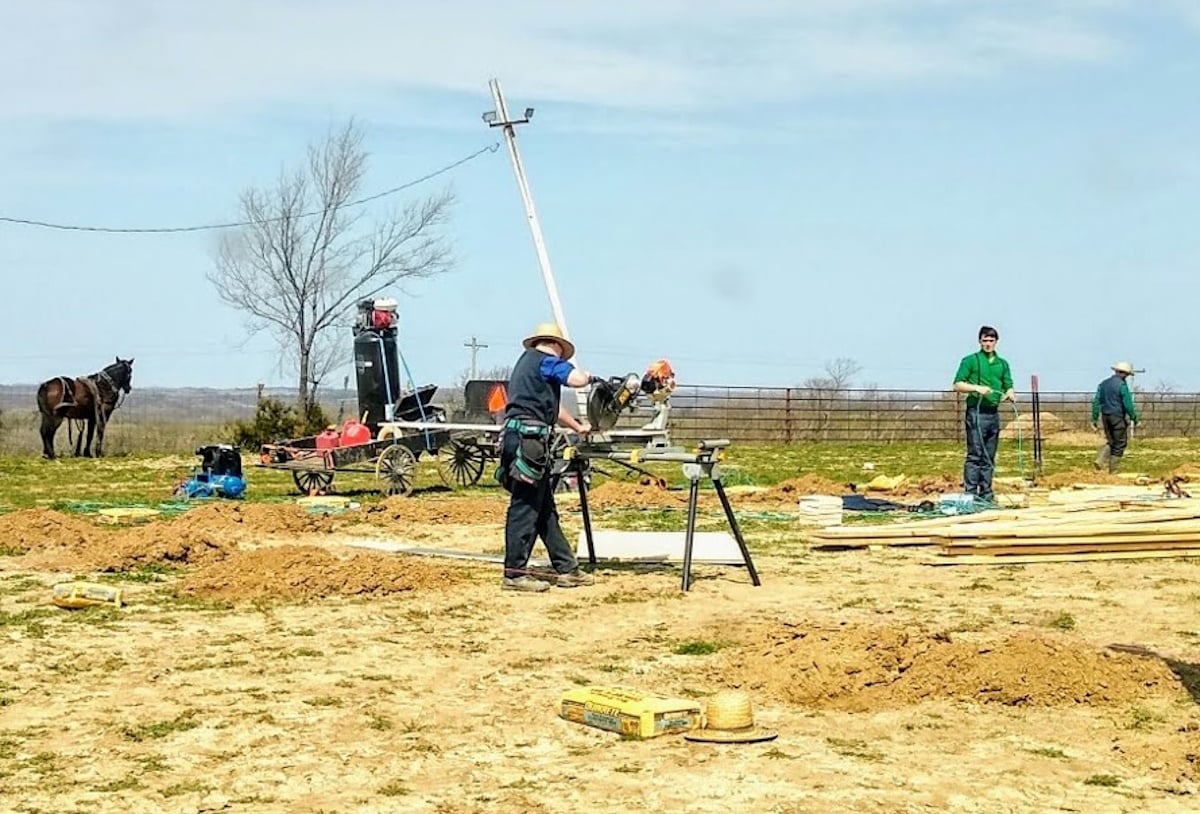
That day the Amish community was gathering for a frolic.
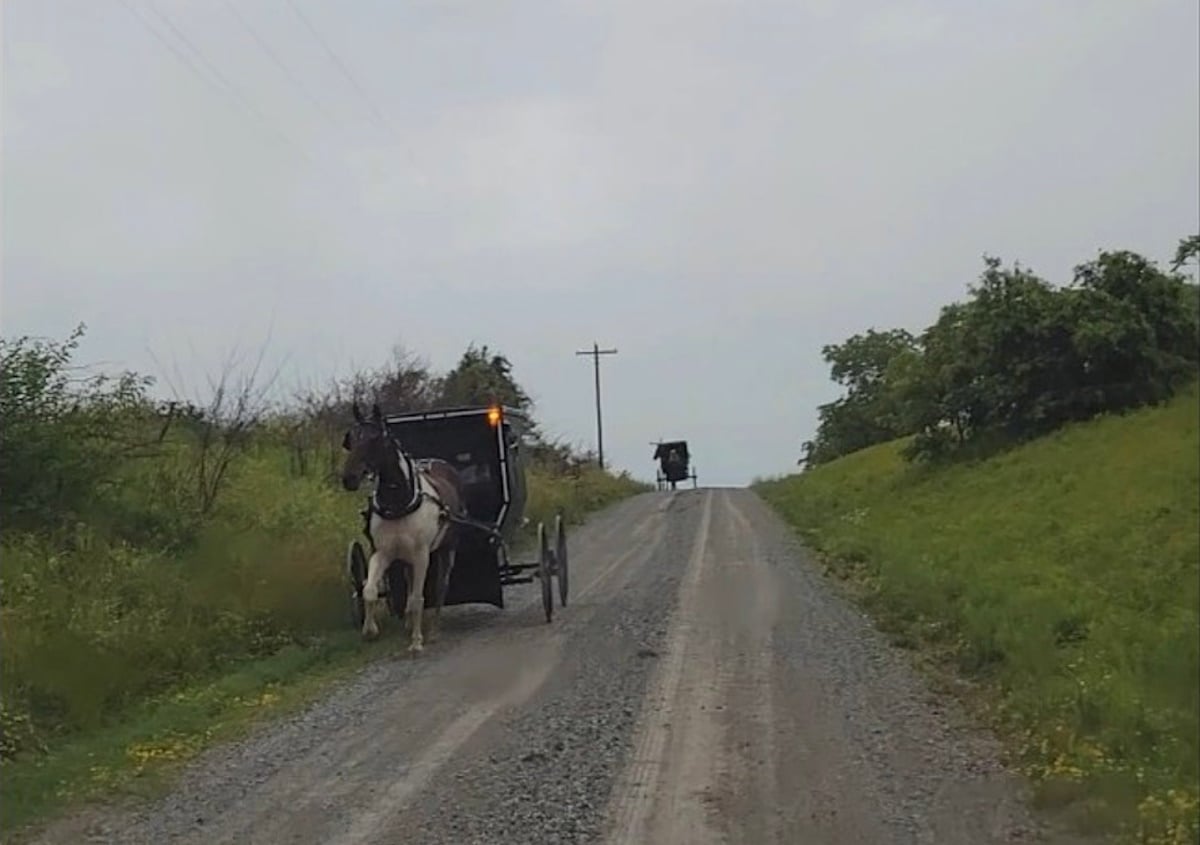
Before I started driving Amish, I thought the word “frolic” sounded playful. Maybe children running through a pasture or young people gathering after church.
Turns out, frolics are serious work.
Depending on the need, a frolic might mean raising a barn, rebuilding after a fire, pouring concrete, roofing a house, or helping a young family get started with some kind of building for income.

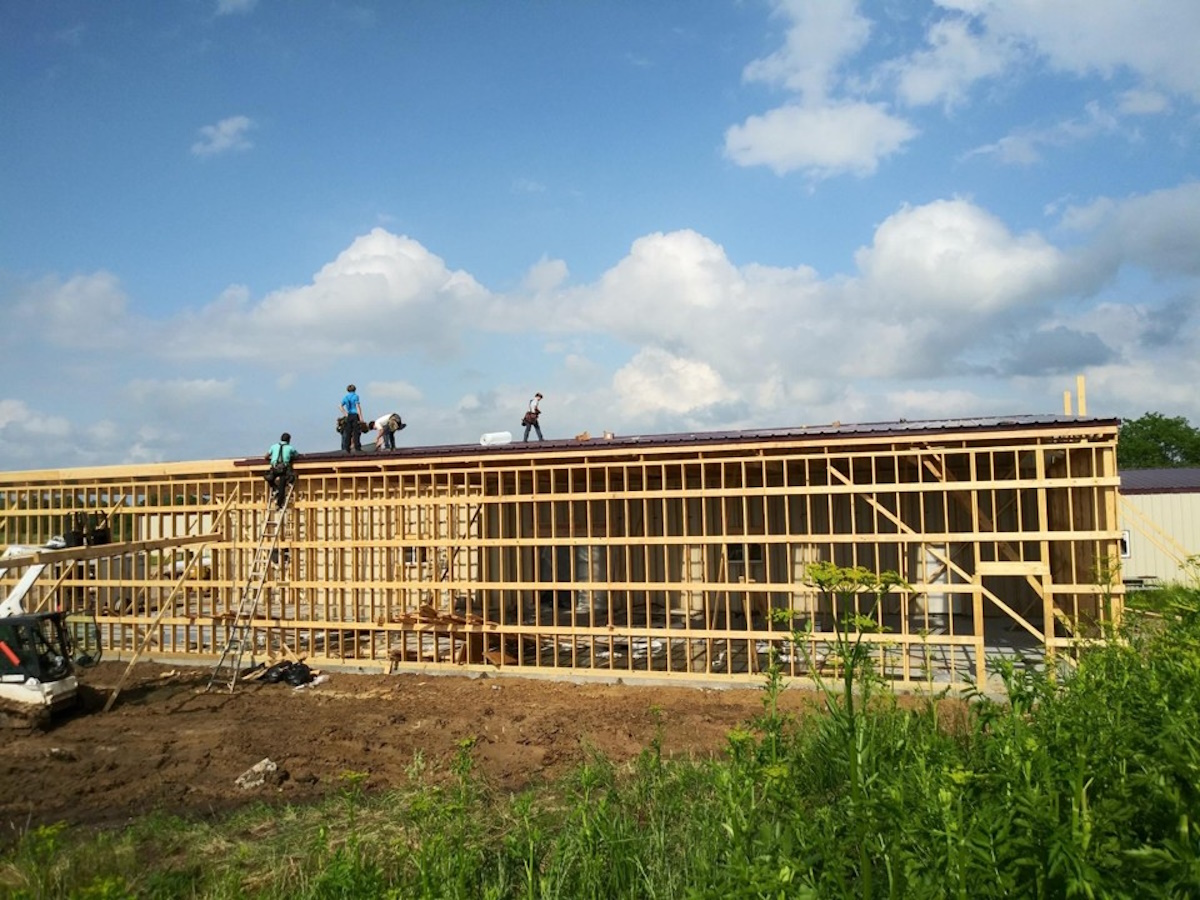
This particular frolic was for a rabbit shed.
Not fancy.
Just a long simple building that would help a young family earn a living.
Most Amish don’t carry traditional insurance the way English people do. Instead, communities help each other directly. If there’s a fire, people show up. If someone gets sick, meals appear. If a young couple needs help building something, dozens of men arrive with tools and willing hands.
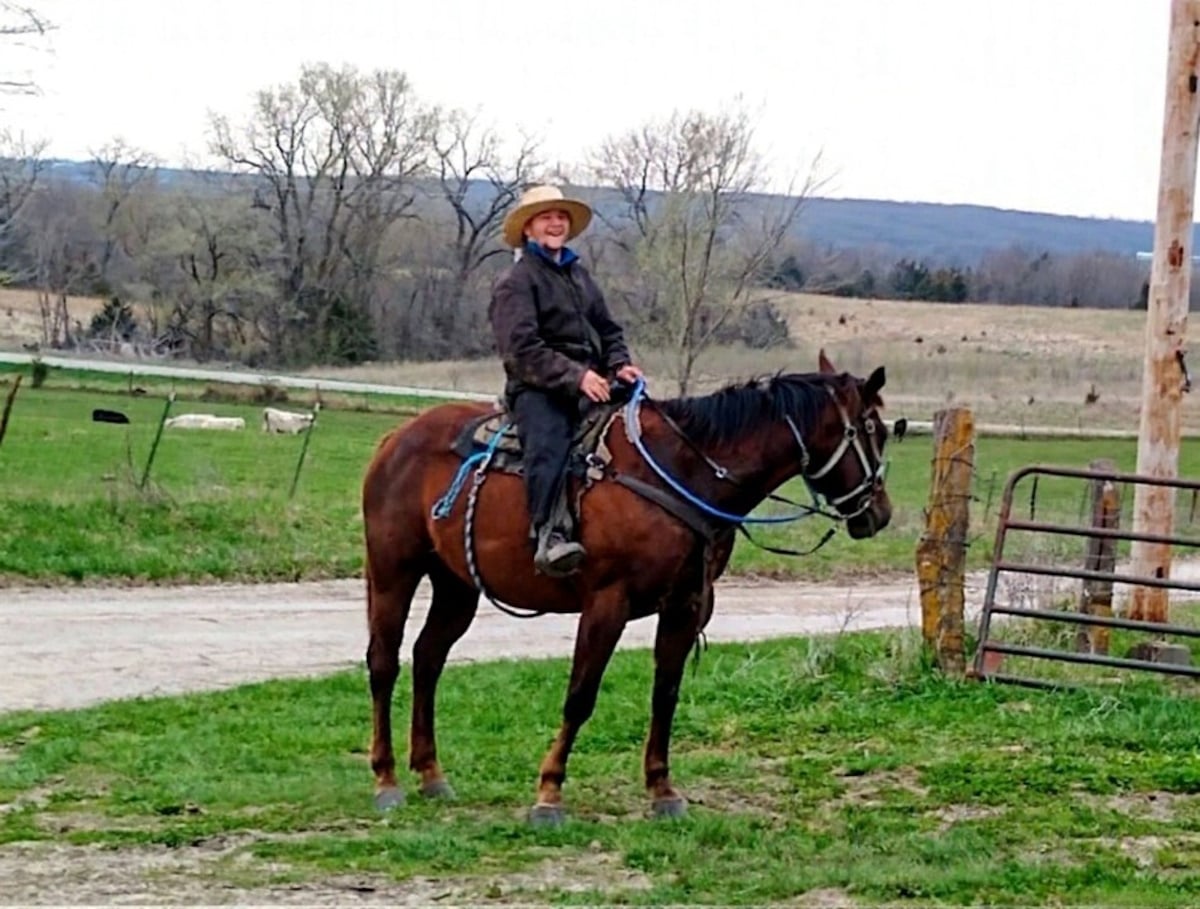
Honestly, it’s hard to explain until you see it in person.
And that day, I saw it up close.
At first, I thought I’d just drive the young man out to the property and be done.

Instead, the entire day became:
back for nails,
back for shovels,
back for lumber,
back for someone’s forgotten tool belt,
back to town,
back to another farm,
then back to the property again.
Every time I thought we were finished, somebody would say, “One more thing…”
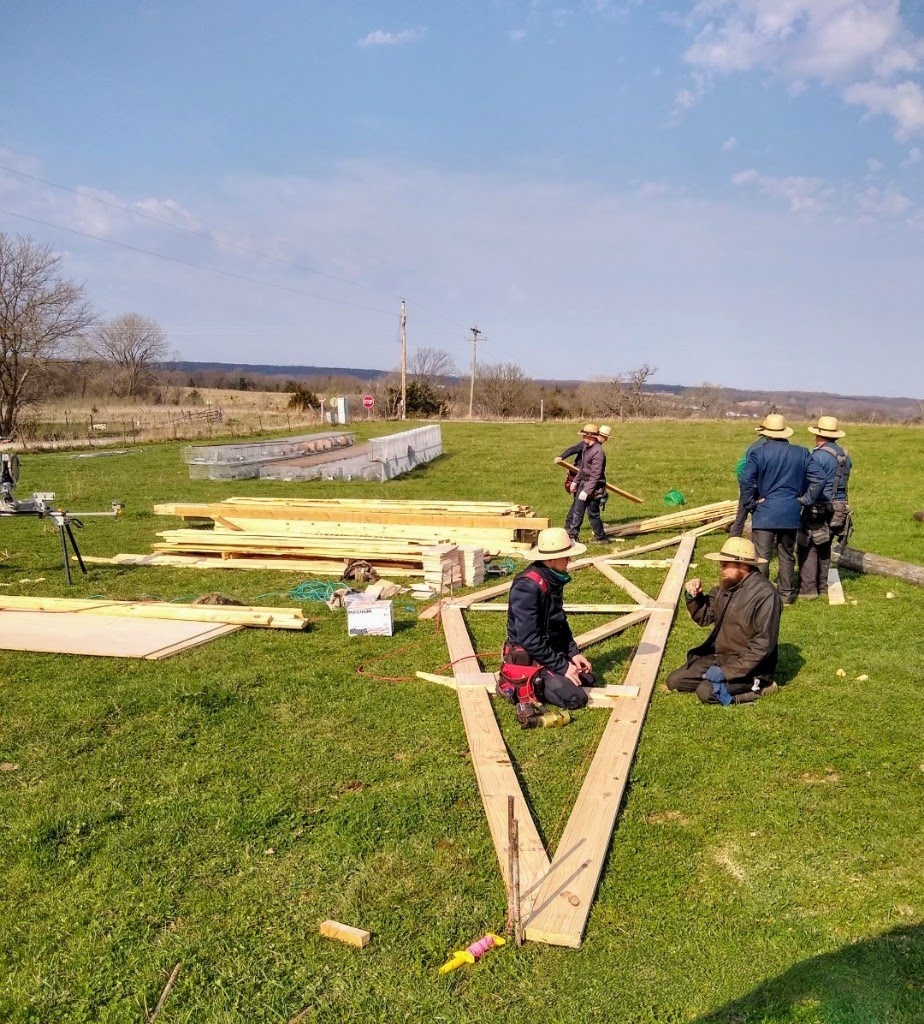
By the time we finally settled in for good, men were already hard at work.

Boards going up.
Hammers pounding.
Voices calling measurements back and forth.
Dust floating through sunlight.
The steady sound of people building something together.
And what struck me most was how naturally everyone seemed to know their role.
Nobody stood around waiting to be told what to do.
Older men worked beside younger boys. Teenagers carried boards. Small children wandered nearby playing in the grass while mothers kept an eye on them from lawn chairs and church benches hauled in for the day.
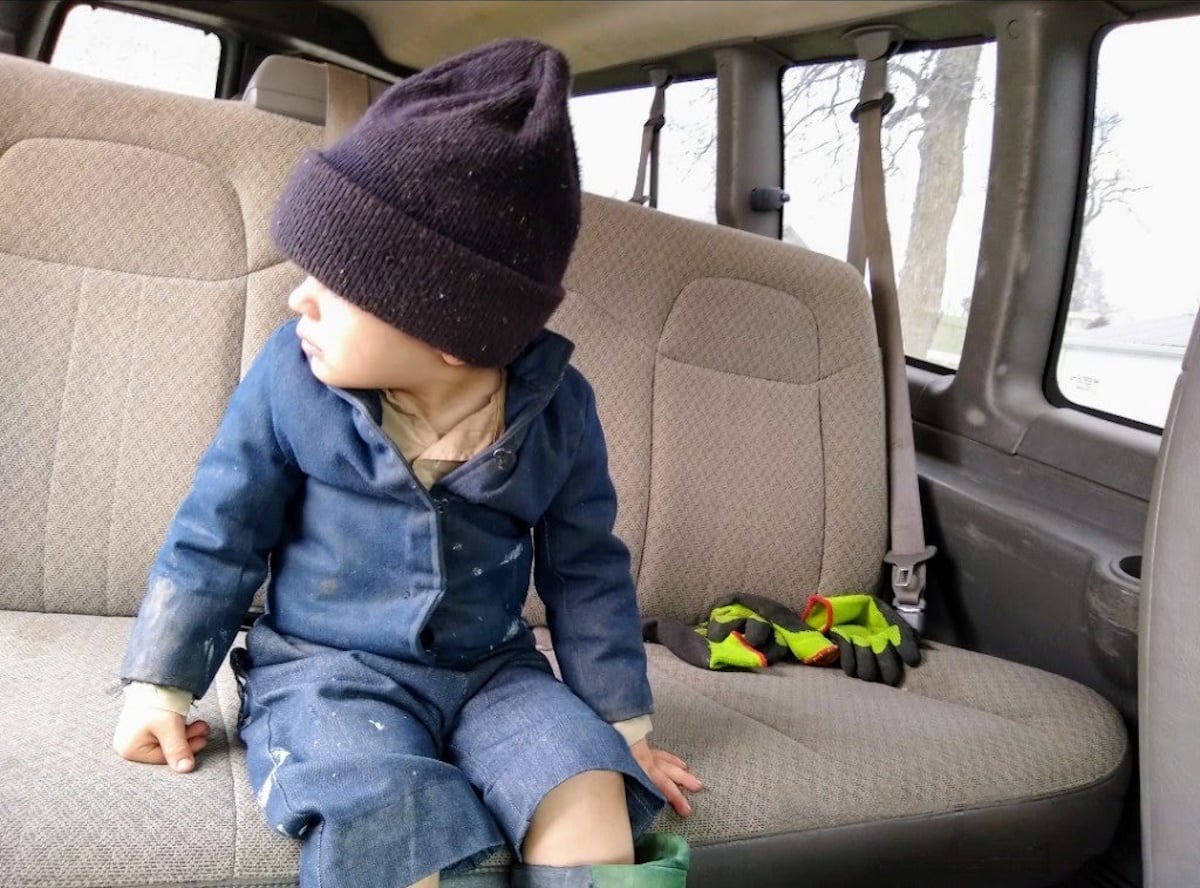
Older men worked beside younger boys. Teenagers carried boards. Small children wandered nearby playing in the grass while mothers kept an eye on them from lawn chairs and church benches hauled in for the day.
Later in the afternoon we went to pick up the young man’s wife and children.
She came out carrying food.
Homemade bread.
Chicken.
Something sweet tucked alongside it.
No fuss.
No fancy packaging.
Just enough food to feed the people who had come to help.
We loaded church benches into the truck along with children, baskets, and containers of food, then headed back to the property again.
Somehow my taxi van had once again become part shuttle service, part freight hauler, and part daycare.
That happens more often than people would think.

When we arrived back at the property, the pace slowed for a little while.
Hands were washed.
Food got passed around.
People sat wherever they could find space—on benches, boards, tailgates, and upside-down buckets.
I remember standing there realizing nobody seemed in a hurry.
That’s something I notice often around the Amish.
Even during hard work, there’s usually room for conversation.
Room for children.
Room for meals.
Room for people.

As the afternoon stretched on, the rabbit shed slowly took shape.
Not because one person built it. Because everybody did.
That’s really the heart of a frolic.
Yes, buildings get built. But something else gets built too.
Trust.
Dependability.
The unspoken understanding that if your own barn burns someday, or your family falls on hard times, these same people will likely show up for you too.
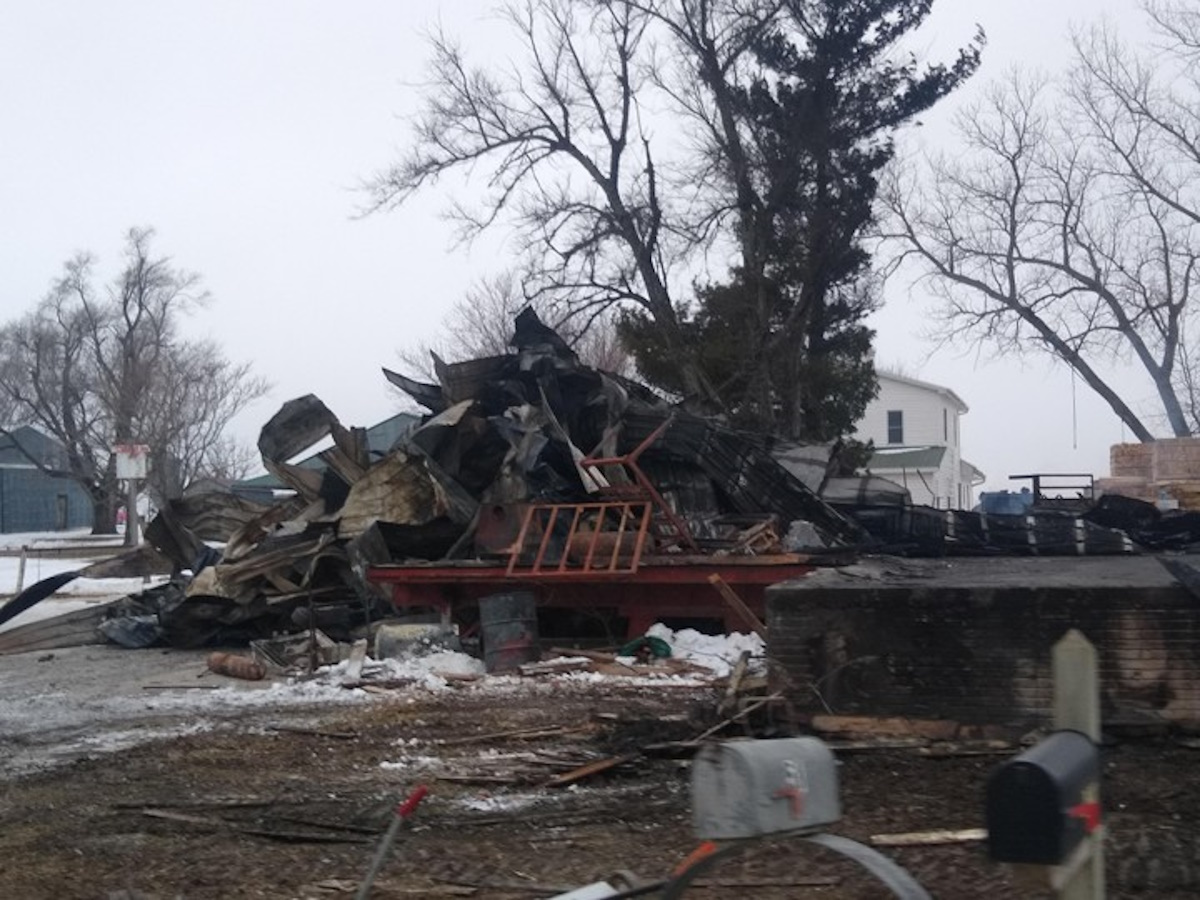
I’ve driven to frolics after fires where entire shops had burned to the ground. I’ve watched communities come together after storms. I’ve hauled tools, coolers, ladders, and exhausted men covered in sawdust back home at the end of long days.
And every time, I leave thinking the same thing:
Modern people talk a lot about “community.”
The Amish actually practice it.
By the end of that day, I was exhausted—and honestly, I hadn’t even done the hard part.
I mostly just drove.
But somewhere between the gravel roads, the tool runs, the smell of fresh-cut lumber, little girls climbing onto church benches, and women quietly feeding an army of workers…
I started understanding why frolics matter so much.
They build buildings.
But more than that, they build the kind of community that makes hard times survivable.
Have you ever been part of a day where people simply showed up to help one another?
Haley Straw is a barefoot homeschooling mom of six who somehow ended up becoming an Amish taxi driver.
From her century-old jailhouse home in rural Missouri, she writes true stories about late-night Amish rides, frolics, disasters, awkward moments, unexpected wisdom, and the kind of community most people don’t realize still exists. Her stories help readers slow down, laugh a little, and remember what matters most.
You can find her signed books, free Amish-inspired goodies, and more at haleystraw.com