
How One Amish Community Took Root in A Quiet Corner of Missouri
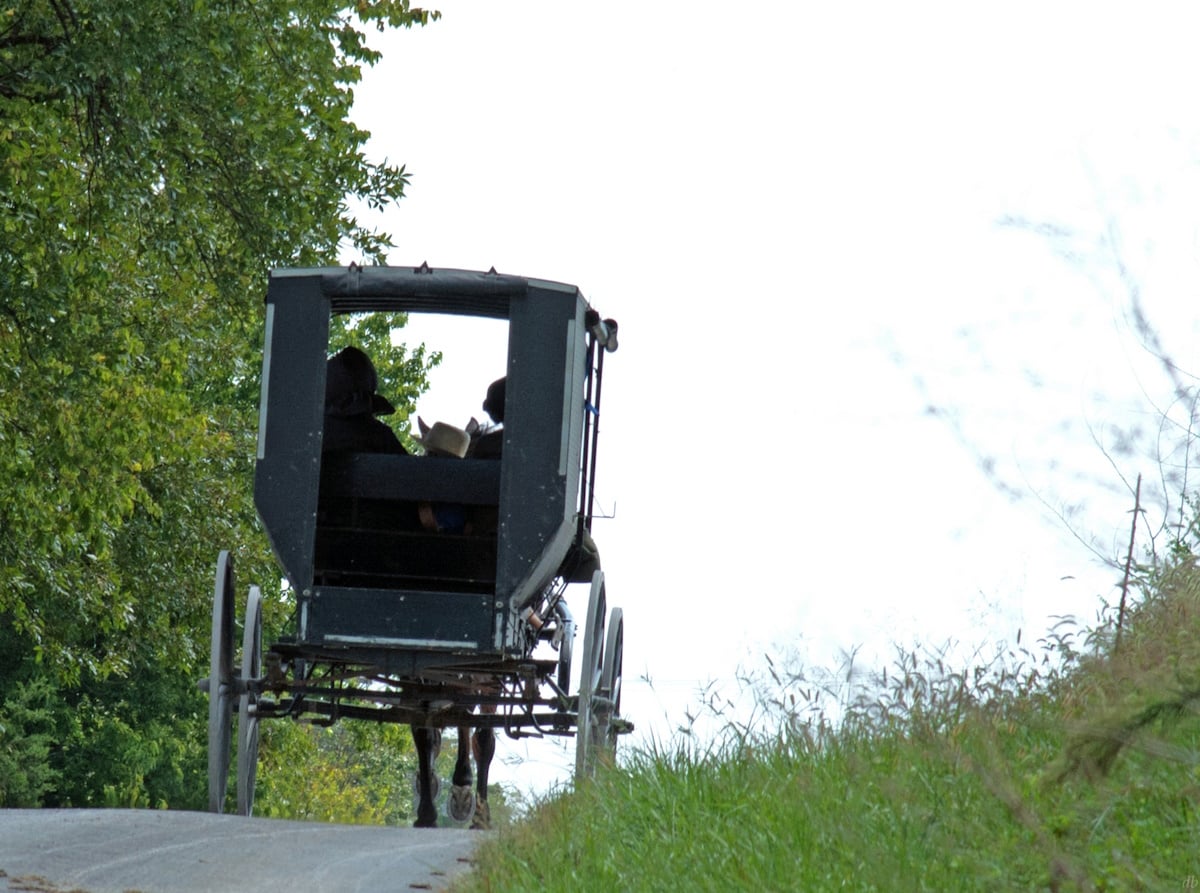
In the most recent Amish population report, we learned that a total of nine new Amish communities had been started in the prior year. New Amish communities come together and grow in different ways.
Some see much enthusiasm from the get-go, rapidly attracting new families, some or many of whom may be related. In contrast, others are slow growers, taking time to draw in settlers. At the same time, others fail to capture enough interest, and eventually go extinct.
The following account, shared by Don Burke, gives an example of how one small but established community in Missouri gradually came about. ~Erik
The following is from a 2015 retelling of the founding of the Amish settlement of Osceola, Missouri, authored by an unnamed child of Moses Gingerich.
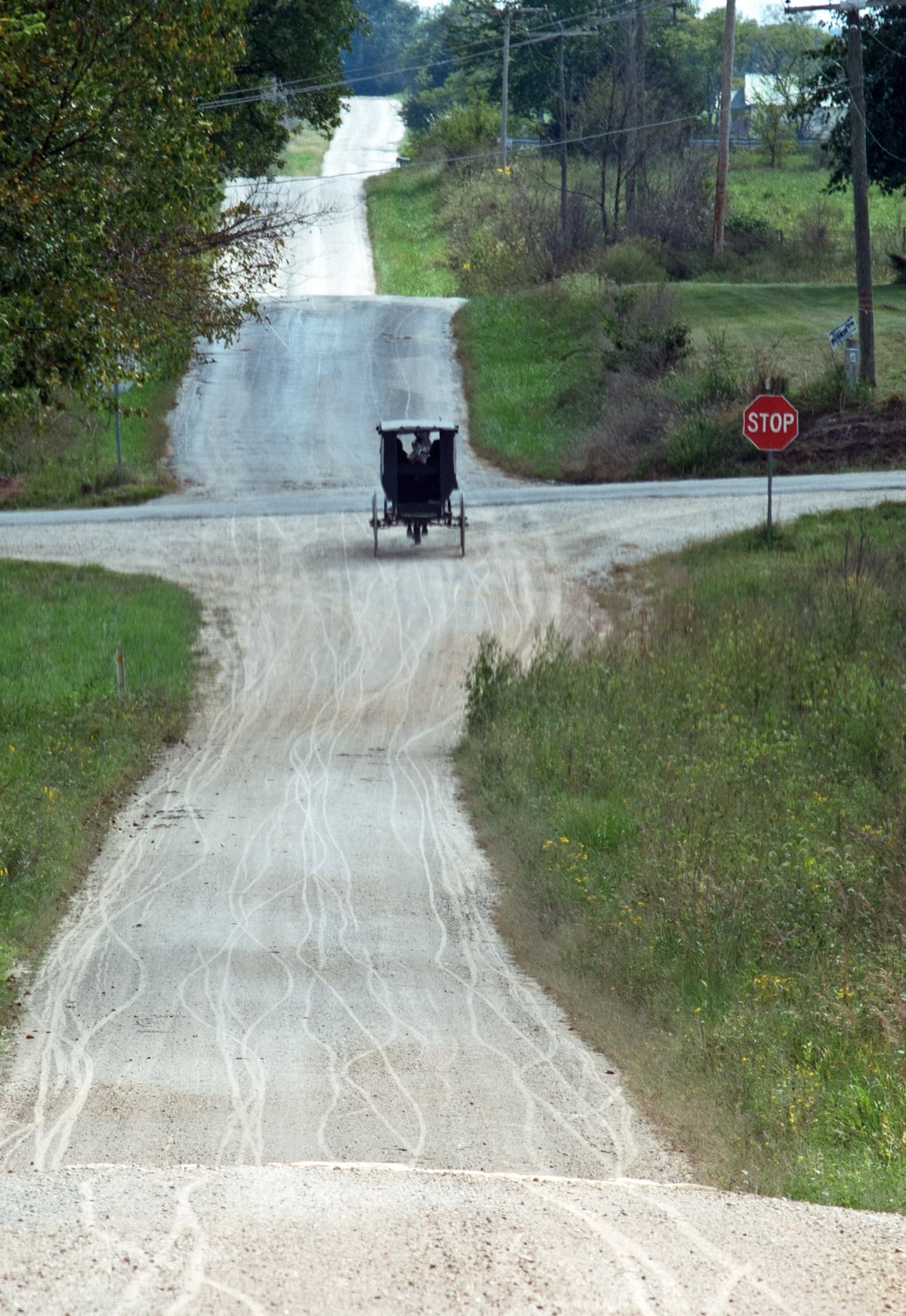
While not ordained himself, Moses’ family would play prominently in the community, having 19 children listed in the Amish Directory* (at least seven which lived in Osceola with their own families), and no less than three sons and a grandson serving as ordained ministers or deacons within this community’s 13-year history (as of the time of the retelling).
The history of Amish Osceola began in the summer of 2001 as some of the Amish in Ethridge, Tennessee felt a need to “spread out some.”
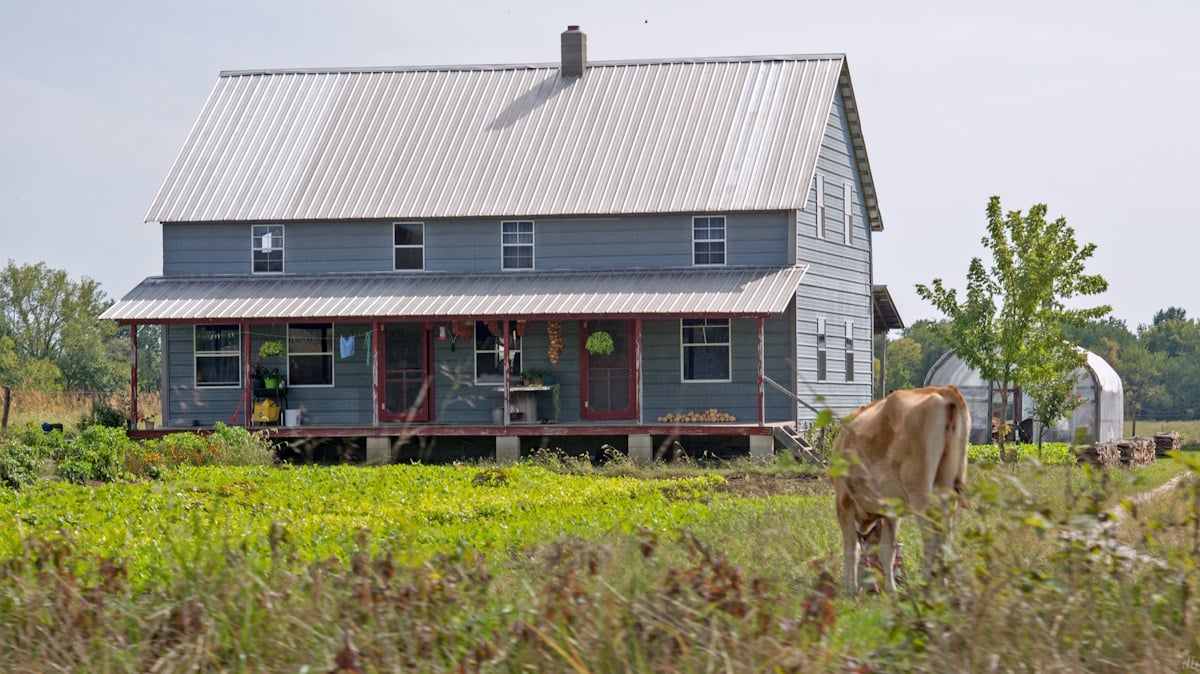
With bus tickets in hand, three men of the community traveled to East Tennessee and then on into central North Carolina in look for suitable land, but determined the prices were too high. Some weeks later these three were joined by others from Sonora, Kentucky to check out the area of Osceola in St. Clair County, Missouri
There they found acceptable land, and even though the Sonora group later declined to move, in March 2002 Daniel Gingerich (one of the original Ethridge three, and eldest son of Moses Gingerich) bought a 70-acre farm and moved his family there. The farm had “a little room for farming and lots of nature,” as well as a couple of houses and various other buildings.
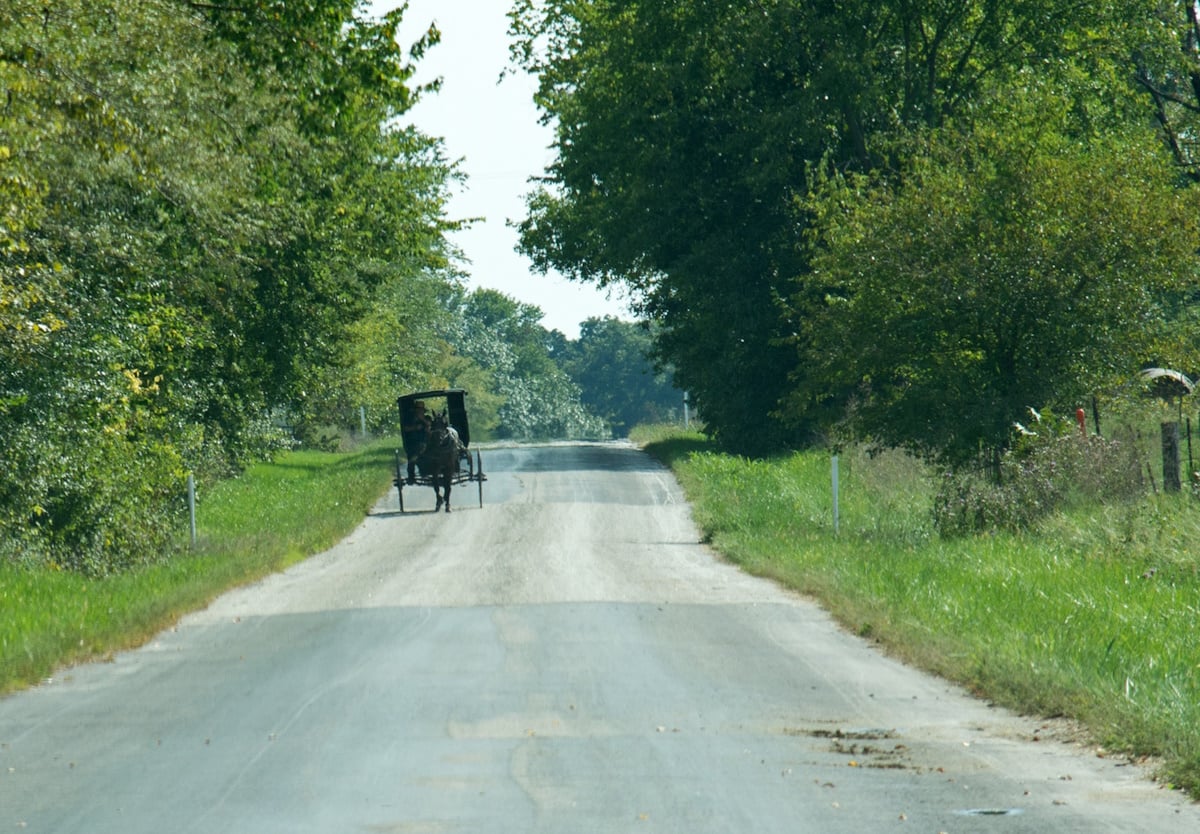
A couple of months later a second family (Troyers) moved into another Osceola farm, with the intentions of subdividing it with future Amish family(s) moving into the area. The following month they were joined by a third family (Stutzmans) who moved into yet another farm. That same month the Moses Gingerich family set up residence in a portion of the Troyer farm.
The community observed its first church service on July 14, 2002.
Menno Gingerich – a bishop in Ethridge, and son-in-law of Moses Gingerich – was chosen to lead the congregation, and in August he attended his first service in Osceola.

By October a number of others had joined the Osceola community, including the family of Moses’ son, Ammon, who was an ordained deacon. Ammon was voted to “help preach the anfang [i.e., first, shorter sermon] in church when necessary.”
In February 2003 a family from Sonora, Kentucky also moved in. The Directory notes that this was the first family to join who was not from Ethridge.
A couple of months later Minister Daniel Hershberger and family also moved in, giving the community two ministers. In October that same year that number was increased to three as another minister and his family from Preston-Harmony, Minnesota, bought and moved into an area farm.
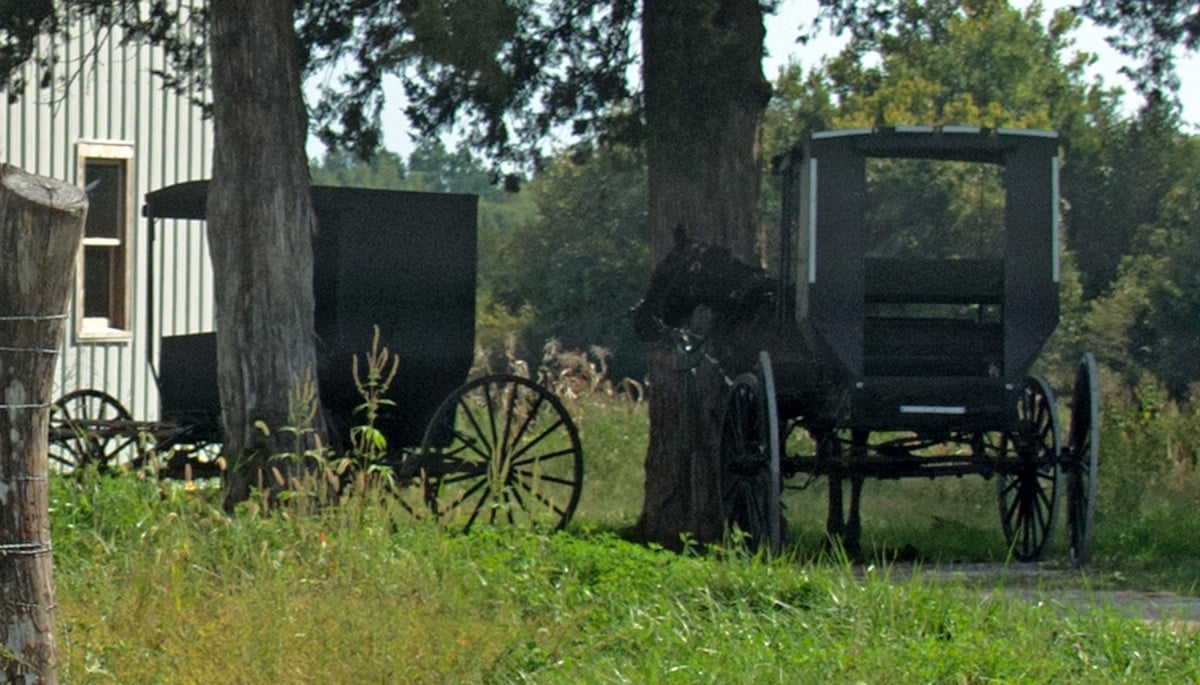
The author notes that in the 13 years since the community was established the community had grown to two church districts, with 41 families – and was still growing.
“Most of our families work the land somewhat, some more than others. Besides beef, etc., there is quite a bit of vegetable growing or truck farming, and personal gardening. A big part of those [farming] also have side jobs, such as sawmilling, saddle and leather shops, woodworking shops. Farrier and horse training businesses. One small engine repair and sales, and one sheet metal (such as roofing and siding) shop.”*
As of 2025 the community is still thriving, still with two church districts and an estimated total Amish population of 235.
*Original account and quotes are from The Amish of Missouri – 2016 Directory, © 2016 by Lester Yoder.




Fascinating
Thank you, Don and Erik! I find it fascinating how Amish communities come to be. Sometimes, Amish look for more fertile farmland, a different climate, cheaper land, or even to start a new community where they can set their own rules because they don’t like the rules of the community they are currently part of.
You are welcome, Haley...
I’m glad you enjoyed the post. As the wise man of old said, there’s a time of beginning and a time of ending — and I suppose that is true for communities of people as well as individual people. And all of it comes with its own fascination.