
7 Ways Amish Families Cut $350 a Month Off the Grocery Bill
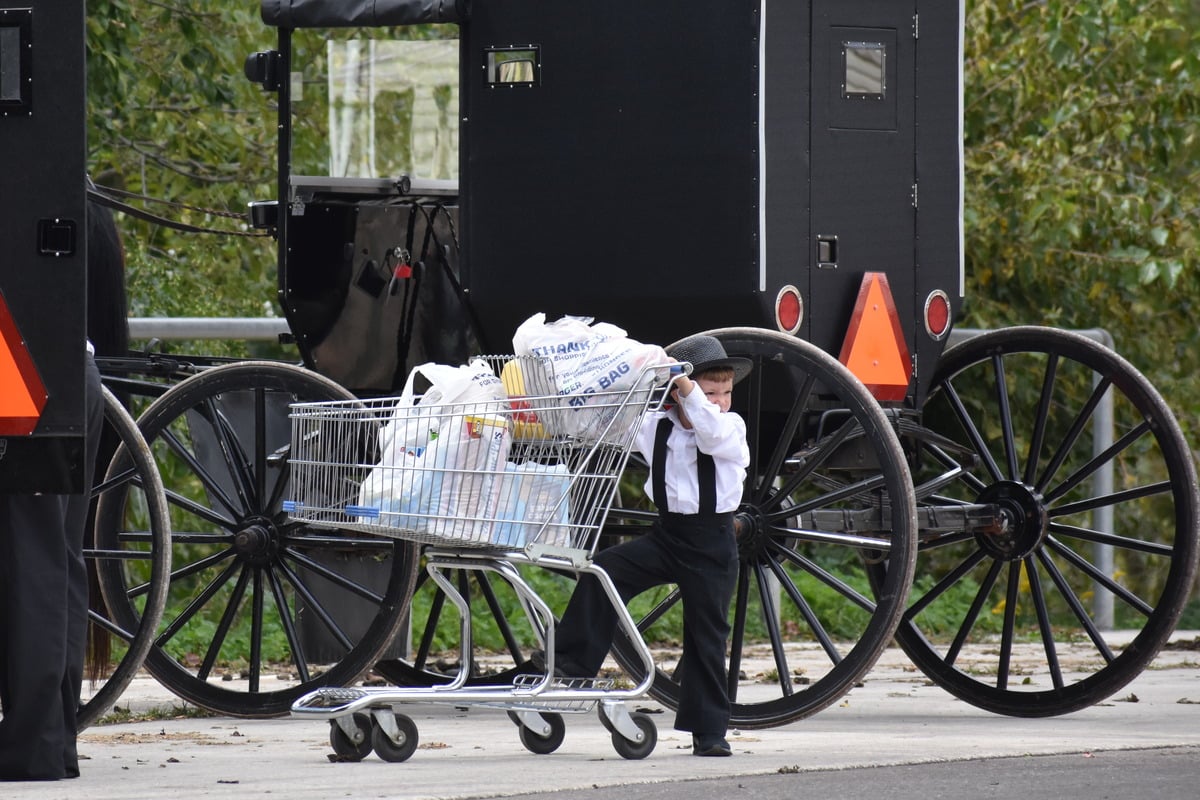
Grocery prices are on a lot of people’s minds lately, and for good reason. The USDA’s moderate-cost food plan has a family of four at around $1,385 a month as of this writing.
Scale that up to a household of ten mouths to feed, and you’re well past $2,500.
Why do I say ten? Well, that’s an average-sized Amish family – two parents and eight children – in many communities. But Amish families that size are feeding everybody for a good bit less than that.
The good news is there’s no secret to it – it’s really about a handful of ordinary habits that add up over time.
Here are seven of those Amish habits, with a rough idea of what each one saves per month. Add them up and a family of four could cut $350 or more off the monthly grocery bill. These are estimates; they’ll vary quite a bit depending on family size and where you live.
1. They Grow A Lot Of Their Own Food

Let’s start with the garden – something nearly every Amish home has.
An Amish garden is not the raised-bed arrangement a lot of us picture when we hear the word. Researchers who studied this found the average Amish garden runs two to three times the size of a comparable non-Amish one. And in the most traditional Amish homes – those even more “off the grid,” so to speak – they can even be fifteen to twenty times larger.
What comes out of Amish gardens is practical, hearty foods that keep well: potatoes, onions, cabbage, carrots, green beans, tomatoes, sweet corn, squash. The idea is to feed a family through a winter, not just to have fresh tomatoes in July.
Amish children do help out some here – weeding and picking even when they’re small. And you might not achieve the same scale of garden as the Amish do – but many of us have a nice unused chunk of backyard. Put to a different use, it could mean close to a thousand dollars a year.
Estimated savings: $60–$100 a month
2. They Put It All Up
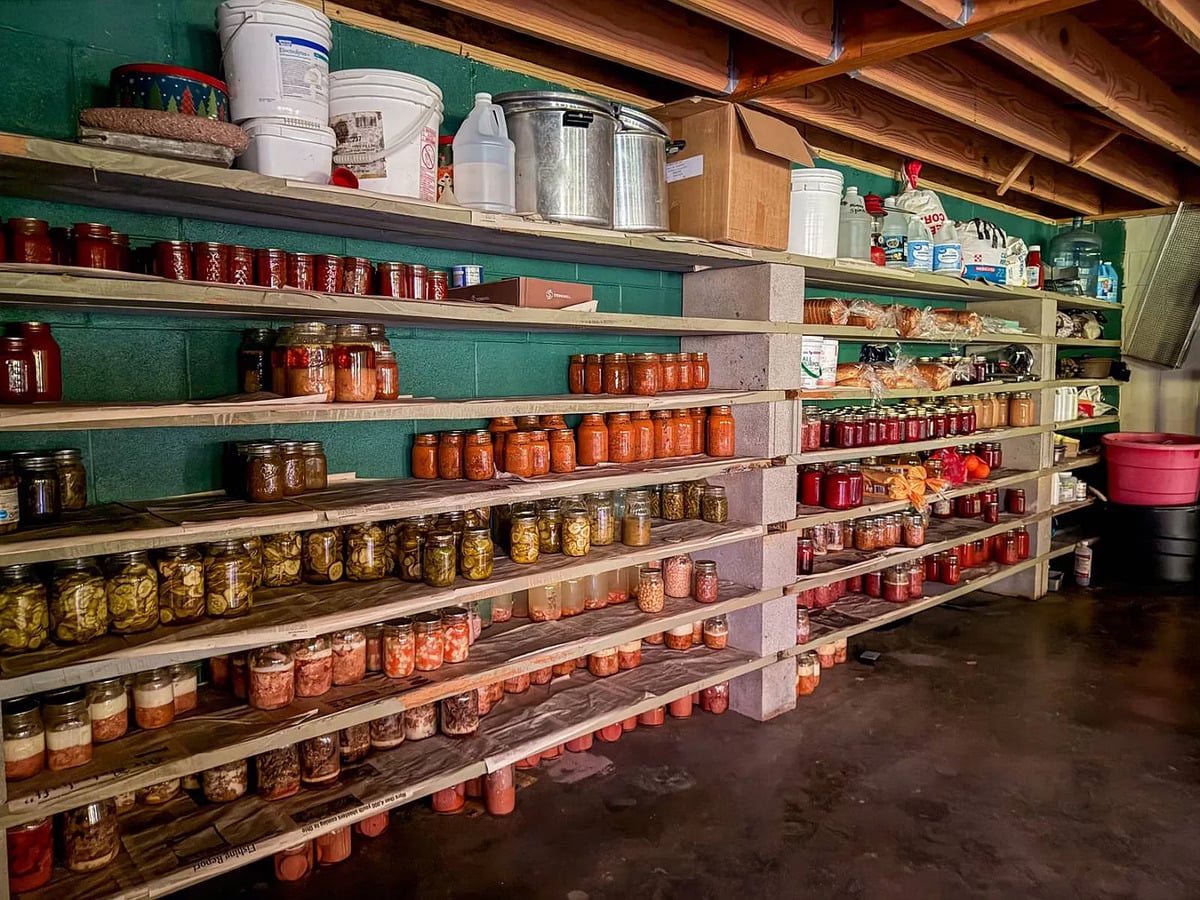
A big garden only helps you if the food is still around in February. That’s where the canning comes in.
Amish women can and freeze on a scale that would wear most of us out. Hundreds of quarts of tomatoes, beans, peaches, applesauce, pickles, relish. By October the basement shelves are starting to look pretty full. It’s one of the time-tested skills Amish women have held onto which a lot of the country has let go.
This is the part that converts a summertime garden into year-round grocery savings. Most non-Amish families are not going to be putting away Amish homemaker-levels of canned goods. But if you could do half, or even a quarter of what the Amish do, how much would that cut your food bill in the wintry months?
Estimated savings: $40–$70 a month
3. They Shop Bent-And-Dent Stores
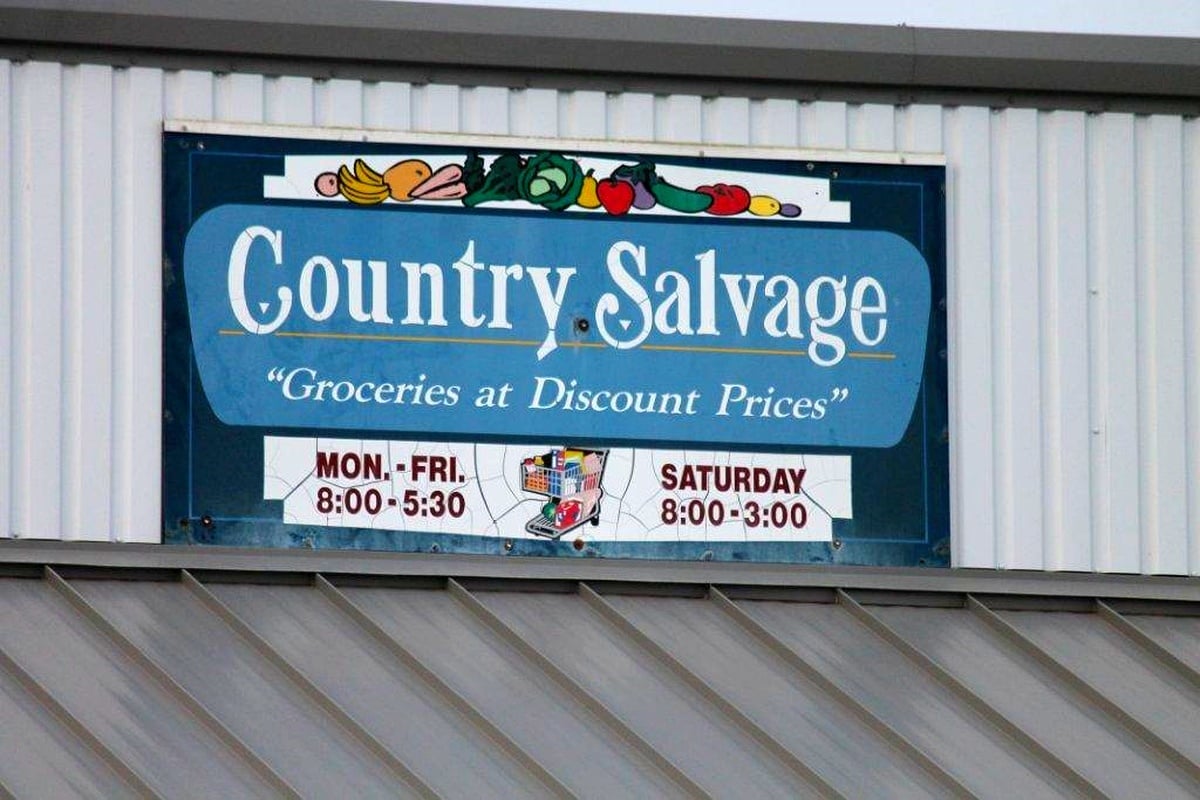
If you’ve spent any time in Amish Country you’ve probably driven past one of these. Salvage grocery stores, often charmingly called “bent-and-dent” stores, sell overstock, close-dated (or past-dated), discontinued, and dented-package goods at a steep discount off regular retail. Cereal, crackers, snacks, canned goods, baking supplies, condiments, that sort of thing.
The stock changes constantly and you never quite know what you’ll find. To some ears, that sounds like a drawback. To a seasoned bent-and-dent shopper, it’s a feature – and even part of the fun.
You buy what’s cheap that week and build the meals around it. That’s more or less the opposite of how most of us shop, which is to make a list first and then pay whatever the store happens to be asking for the things on it.
Salvage stores are pretty common in Amish communities of size – but not exclusive to Amish Country, of course. Google for possibilities in your area if you’re not near a sizable Amish settlement.
Estimated savings: $50–$90 a month
4. They Buy Dry Goods In Bulk

This next strategy takes a bit more up-front investment in your grocery bill, but pays off over time. Flour, sugar, oats, rice, cornmeal, beans, yeast, spices – bought in big bags from bulk food stores, where the per-pound price is a fraction of the boxed supermarket version.
Amish-run bulk food stores are common in Amish communities, much like the bent-and-dent stores. Bulk buying and bent-and-dent shopping both turn up on the list of money-saving habits Amish women use running a household.
Now, this only works if you’re actually cooking from those ingredients. A fifty-pound bag of flour doesn’t do much for you if you’re buying your bread at the store. But if you’re baking most of what the family eats, that’s where a lot of the savings comes from.
So on this one, it helps to be realistic with yourself beforehand about whether you’ll actually use the bulk buys. That may take an honest look at how much kneading and baking you’re willing to do.
Estimated savings: $30–$50 a month
5. They Buy Meat In Bulk, Too
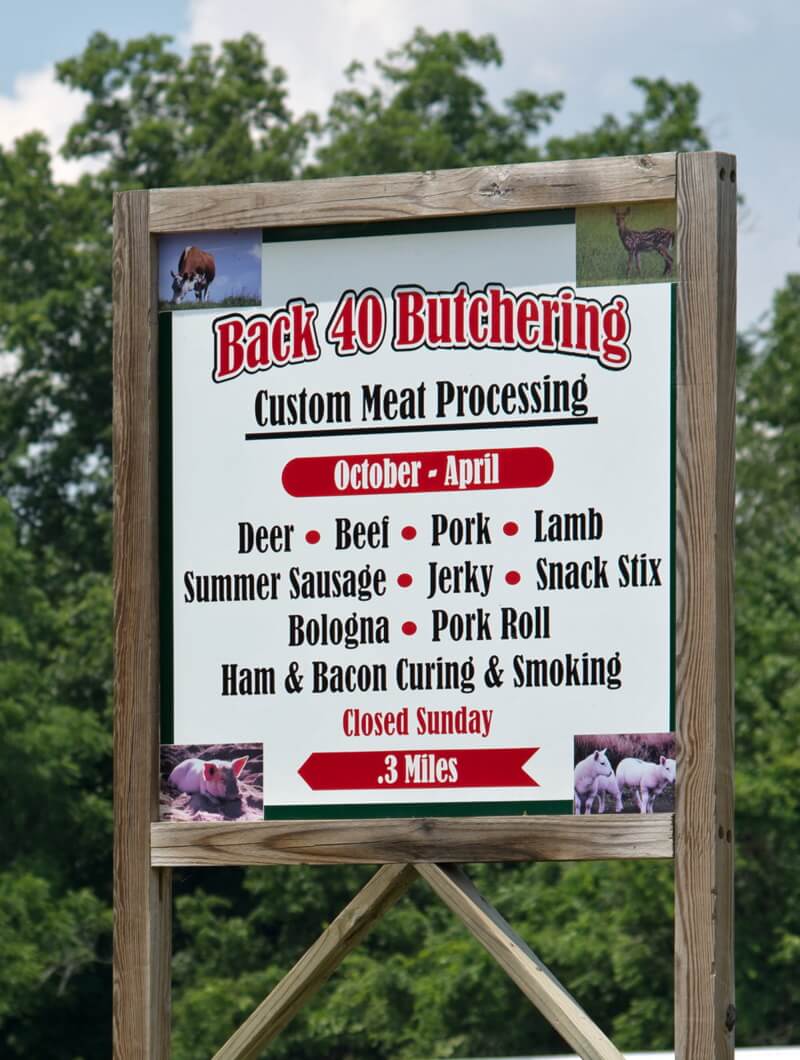
Rather than picking up packaged chicken breasts and ground beef by the pound at retail prices, plenty of Amish families buy a half or a quarter of beef, or a whole hog, and put it in the freezer or even in canning jars. Many also raise their own broilers and butcher them at home.
The per-pound cost drops considerably doing it that way. Now, “butchering day” is a family or community activity among the Amish, though most of us probably aren’t going to be doing our own butchering. But there are places that will do it for you, and not just in Amish areas.
Estimated savings: $60–$100 a month
6. They Bake Instead Of Buying

Baking day is a real thing in most Amish homes, not an occasional weekend project. Bread, pie crusts, cookies, rolls, dessert bars…all of it tapping the bulk flour and sugar already sitting in the pantry.
For a family of ten going through several loaves a week plus dessert and snacks, this one adds up. And with bread and baked goods among the many staples that have gone up in price, smaller families can find savings here too.
Estimated savings: $30–$60 a month
7. Almost Nothing Gets Thrown Away
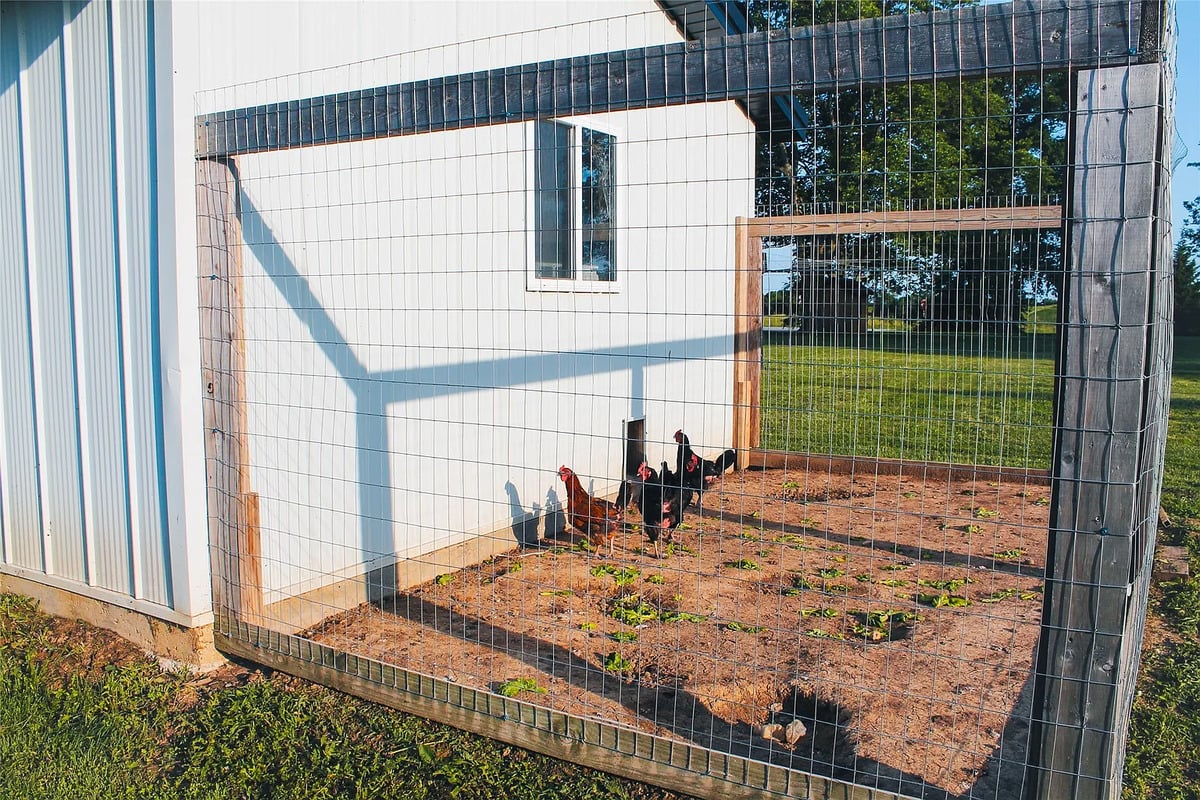
Are you surprised we’re finishing with “waste not, want not” in a list on the Amish? Leftovers show up again at the next meal instead of going in the trash. Bones go into broth. Vegetable trimmings, spoiled produce, plate scrapings, and even egg shells go out to the chickens and hogs. Bacon grease gets saved and cooked with. Along the same lines, jars and containers get reused.
The EPA figures the average American throws out around $728 of food a year – close to $3,000 for a family of four. In an Amish household that number is likely a whole lot less.
Estimated savings: $80–$150 a month
Adding It Up
None of these seven is a game-changing deal by itself. It’s the adding up that does it. A family of four doing most of them could reasonably cut $350 to $620 a month off the grocery bill.
That’s somewhere between four and seven-and-a-half thousand dollars a year. An Amish family of ten is saving considerably more than that, but they’re also feeding considerably more people.
Food is only one piece of the picture, of course. I’ve written elsewhere about seven Amish habits that can save you $10,000 a year, which gets into the rest of the household budget.

Once again I’d add the usual caveat here that these are estimates, and your own numbers will depend on how big your family is, where you live, and how many of these you actually take on. But getting the direction right is the main thing.
And even though the Amish, with their bigger families, do this at larger scale, none of it requires being Amish. Anybody can plant a bigger garden, find the nearest salvage grocery, or buy a side of beef instead of packages of ground chuck. Whether it’s worth the extra work is a separate question, and I imagine the answer is different for everybody.
Have you tried any of these in your own household? Let us know in the comments.
More: See USDA food plan data.




Garden
We live close to a small Amish community we have several raised beds we buy 1/4 of beef a year sometimes 1/2 we do the same with pigs what we don’t grow can and freeze from are own garden we buy from the Amish vegetable stands near us there is just two of us and we are both retired so every little bit helps you can buy from the Amish cheeper than the grocery store so we are very pleased they are here we live north of Syrcause NY about 20 miles
Garden and more
We have a garden for fresh produce, and canning/freezing. 500 dollars worth last year.
I also make bone broth, soups from scratch, and bake bread and other baked goods. We buy meat in bulk, too.
It all adds up, and is enjoyable, too.
Helpful Hints
I love the way you give us helpful information to save money and such. Very nice of you. And as always, a
well written article. I buy several whole chickens and cut the breasts off and freeze them individually for later, and roast the legs and thighs on the body, pick the meat and freeze that for bbq sandwiches. Then I boil the bones into broth to make a base for pot pie, chicken corn soup or just to use in gravy and whatnot.
Amish
I admire them very much. they are hard workers to accomplish what they have. Raising a family on budget, planning and hard work ,is a skill everyone needs to learn. I really wish we had a few in California,