
Trial For Man Who Hit “Multiple” Amish Children Riding Bikes, Killing A 10-Year-Old Boy

This is one of the more gut-wrenching incidents you’ll come across leading to a young Amish person’s death. It happened last December.
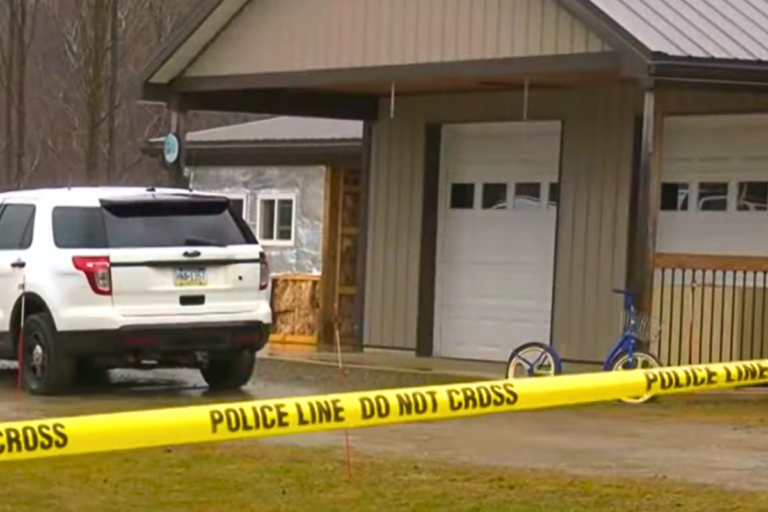
A 29-year-old Vicksburg, Michigan man drove his pickup into a group of Amish children who were headed to the local schoolhouse. It was said he “didn’t see the children.” From WZZM 13:
Investigators say a group of four kids were riding their bikes westbound in the street, heading to the Amish school in the area. Thomas was in a pickup truck that was also heading west on Banker Street.
Thomas, who police say worked in the area, didn’t see the children and hit one of them, according to investigators.
First responders attempted lifesaving measures, but a 10-year-old child died at the scene.
Another not-so-small detail: Thomas was also allegedly driving while intoxicated at the time. Now, reports are that he will face trial soon, a little over one year later:
ST. JOSEPH COUNTY, Mich — The man accused of hitting and killing a 10-year-old riding a bike in St. Joseph County will be heading to trial later this year.
Logan Keith Thomas, of Vicksburg, was charged with operating while intoxicated causing death, operating a motor vehicle while his license is denied or revoked causing death, operating a vehicle without security and being a habitual offender fourth offense.
According to court documents, Thomas’ case will be heading to trial on Tuesday, Dec. 16.
Amish children in some communities wear safety vests, but not all. But that seems to be besides the point in this matter.

Based on what he’s charged with, Thomas has a record of offenses (see the last charge noted above, “being a habitual offender fourth offense”).
Yet another person who shouldn’t have been behind the wheel to begin with, and an innocent boy is dead because of it.
The boy’s name was Anthony, and he was a fourth-grader. In addition to his parents, he was survived by four brothers and sisters, grandparents, and other relatives.




Thomas Going To Trial.
Why on Earth is someone “intoxicated“ at approximately 8:00 in the morning?? I’ll simply never understand this sort of thing. It’s sickening!! Hope he’s found guilty at trial & the judge throws the book at him. ‘Nuff said.
8 am
If someone is a habitual drinker they can consume a lot of alcohol at one time. They can feel completely sober the next morning and even though they haven’t had a drink in many hours they can still be completely drunk. This happened to someone I once knew. He stopped drinking about 5 am and got pulled over at noon and still blew twice the legal limit… he didn’t feel drunk at all he said, though the effects of the alcohol were still present in his body and impairing his judgment, even if he didn’t know it. In my friends case he didn’t hurt anyone. It’s very sad that a child lost his life because someone can’t figure out how to manage their own in a way that doesn’t harm others. Fourth offense means he’s not learning from anything he’s doing and this time he will probably end up severely punished, as he should be.
Possibly hungover from the night before, do it up at night and you shouldn’t drive in the morning either.
It will continue because of the ‘slap on the wrist’ punishments that are handed out.
Until people are punished severely, these stories will continue.
Simple fines and minimal jail sentences are laughed at by people like this.
Life is complicated... unfortunately...
If it’s actually true he was driving when voluntarily intoxicated – and such cases do exist even if this isn’t one of them – punishment may be just, and it may be set at levels which are too low in any particular case (part of the point of a court is that it should look at all angles of a case in detail), but punishment isn’t going to make much difference to what happens on the actual roads if all it really does is make it harder for offenders to sort out the underlying problems.
If “consequences” already haven’t worked, it probably isn’t sensible to ASSUME that harsher consequences will necessarily work. People are complicated: repeat offenders are probably more likely to be people struggling with a lot of dysfunctional patterns of behaviour, than people who are making isolated wrong choices.
Questions about why people offend and what it is that needs to change about their lives so they cease to do so are not about saying that crime is all right, or even that the person in question is not to blame, they are about trying to understand the full reality of such situations with the idea that doing so will end up being more just and more effective for everyone.
I don’t have any answers, though, except perhaps to repeat the comment that trying to organise things such that people who have addiction problems can avoid driving until reliably sober, without being cut off from work, services, social needs, family etc., might be of real help. I can’t drive due to disability (no-one’s fault: I cannot see properly) and the social isolation and difficulty of accessing essential services is considerable. It’s only reasonable to regard driving as a privilege if people can genuinely access everything they actually need without doing so.
Prayers for the family of the child – and I hope the other kids involved are all right.