
Breaking the Silence: Lizzie Hershberger’s Journey from Survivor to Advocate
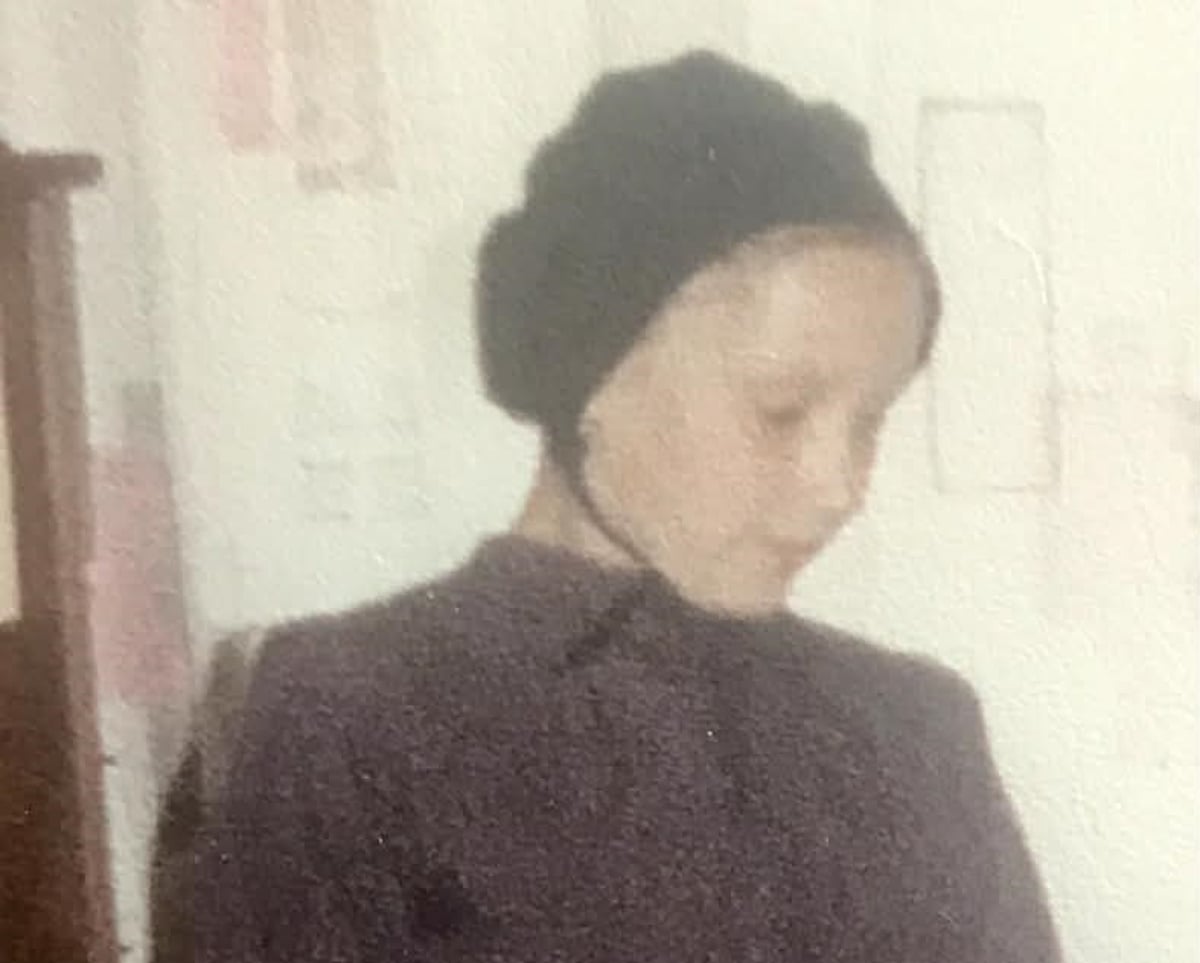
Lizzie Hershberger grew up Amish in Minnesota. She is the subject of a new documentary called Keep Quiet and Forgive, which premieres nationally on PBS’ Independent Lens on March 23. In today’s post, author Haley Straw shares how she met Lizzie, more on her story, and what she hopes to achieve.
Lizzie Hershberger didn’t expect the moment to stand out.
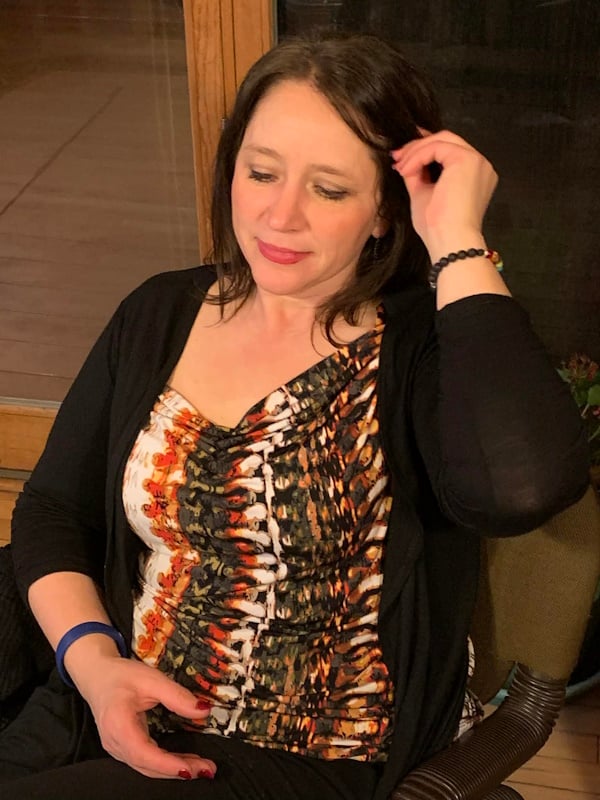
About seven years ago she was invited to sit on a panel at a conference in Lancaster, Pennsylvania. She was one of six panelists seated at a long table while the host asked the group questions. Lizzie, recently having had major foot surgery, came on crutches, wearing a boot on her foot, and was simply one voice among several.
At one point the conversation turned to the subject of abuse.
When it was Lizzie’s turn to answer, she shared something deeply personal: nearly three decades after being assaulted, she reported her abuser to the authorities.
When she finished speaking, she received a standing ovation — the only panelist that day who did. At the time, the broader #MeToo movement was still in its early days, and within Amish communities almost no one was publicly reporting abuse.
Unknown to Lizzie, someone in the audience was paying close attention.
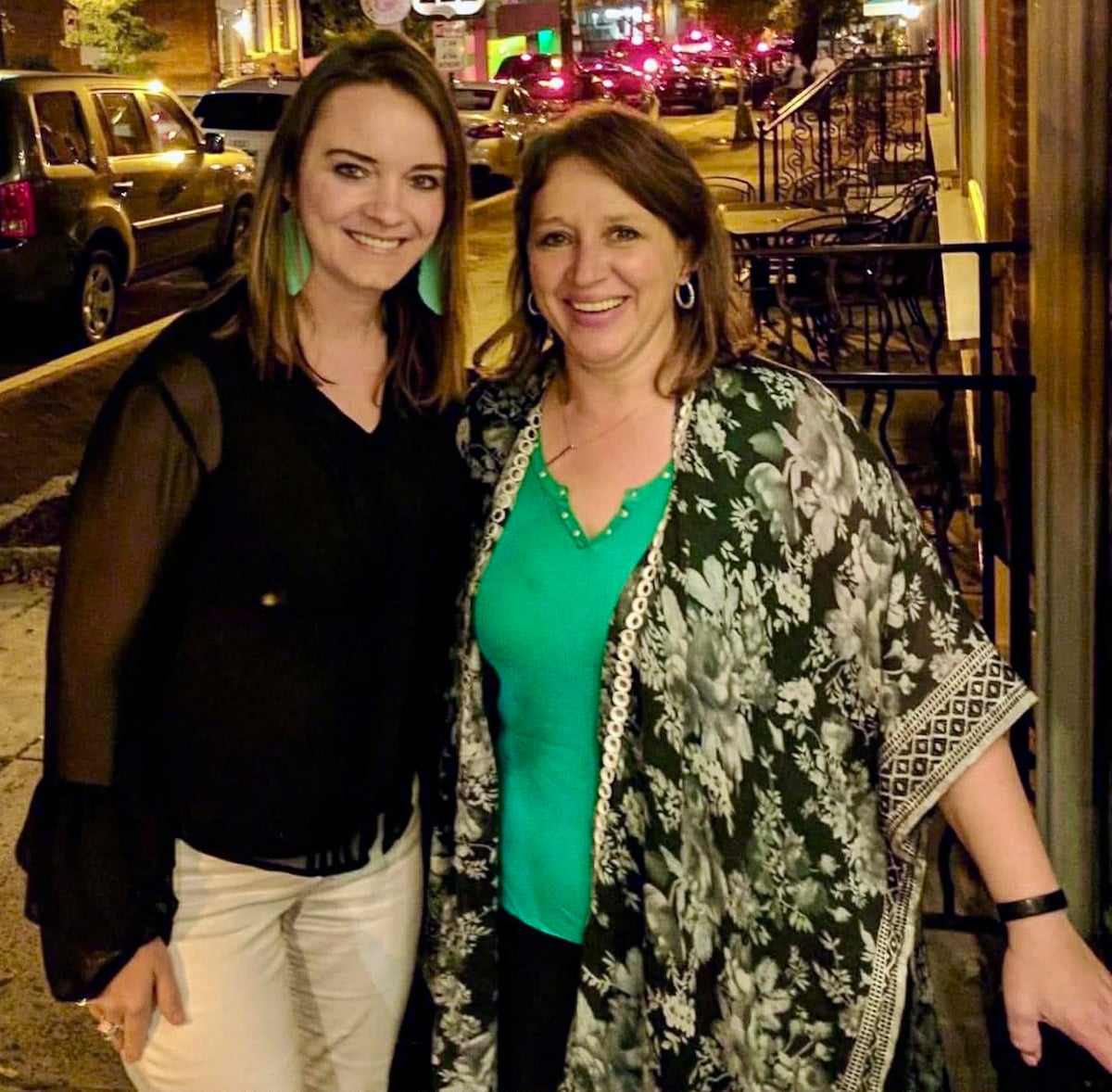
Among those listening that day was filmmaker Sarah McClure, who had been researching stories about women navigating abuse within Amish communities.
Later that evening at a gala event following the conference, McClure approached Lizzie and introduced herself. She mentioned she was from California and was interested in learning more about Lizzie’s story.
That brief conversation eventually led to the documentary Keep Quiet and Forgive.
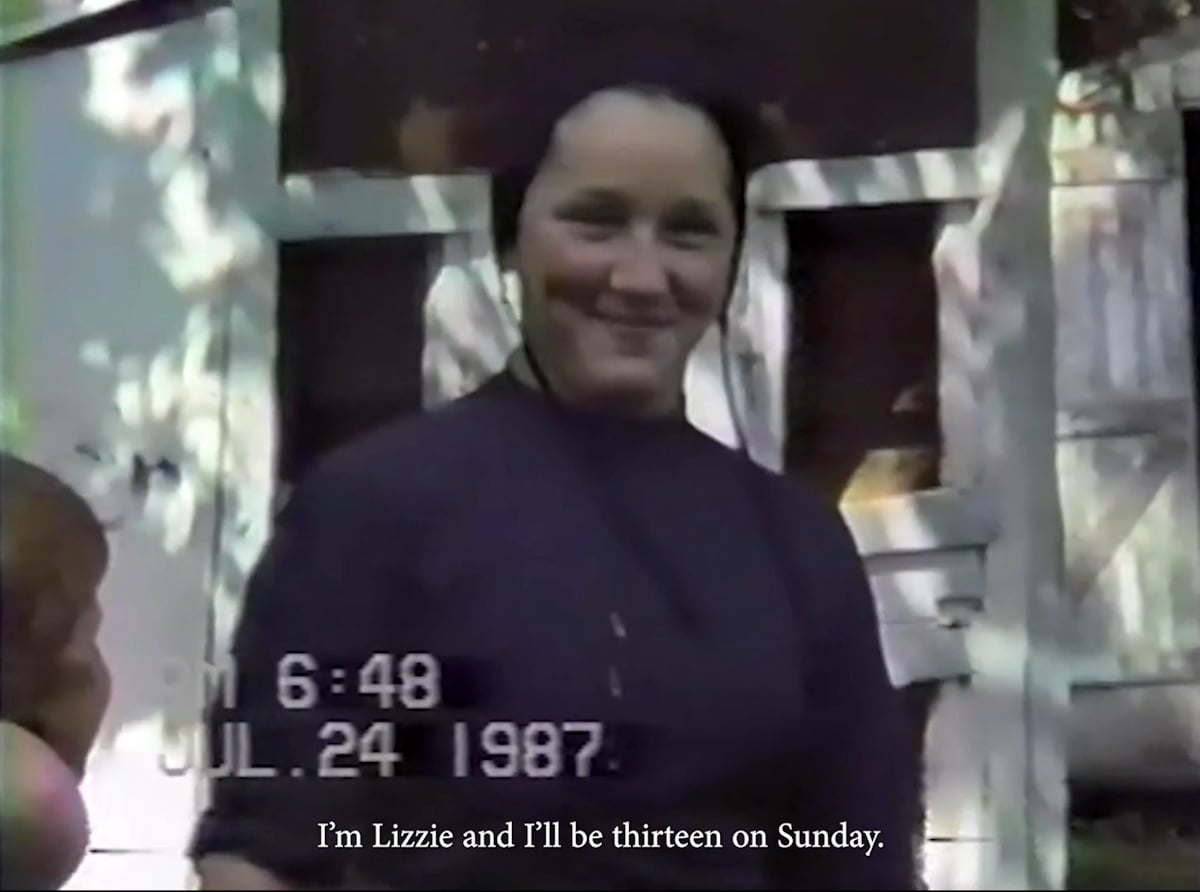
The film follows Lizzie’s journey as a survivor and advocate, along with the stories of other Amish and Mennonite individuals who have stepped forward seeking healing.
Filmed over the course of five years in six states including Minnesota, Wisconsin, Missouri, Indiana, Ohio, and Pennsylvania, the documentary traces how one person’s decision to speak out began connecting a wider network of survivors.
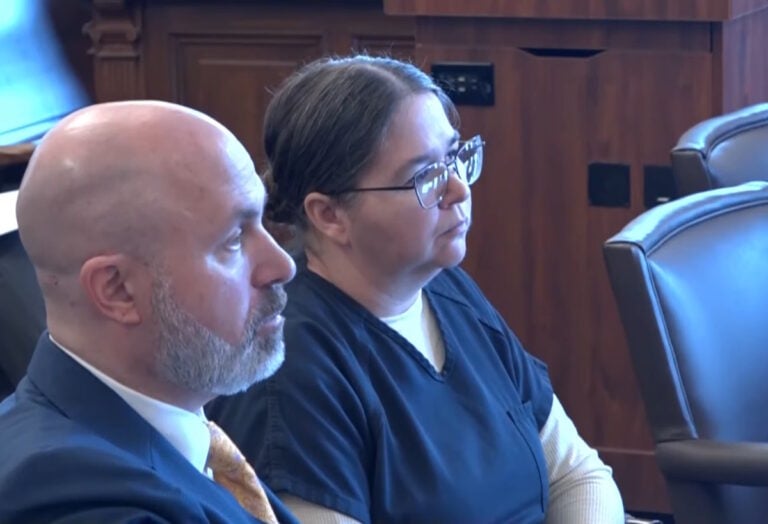
Filming began in Minnesota in September 2019 — on a day that would prove significant for Lizzie personally. That same day, her abuser accepted a plea agreement. Cameras captured the moment as he was taken away in handcuffs.
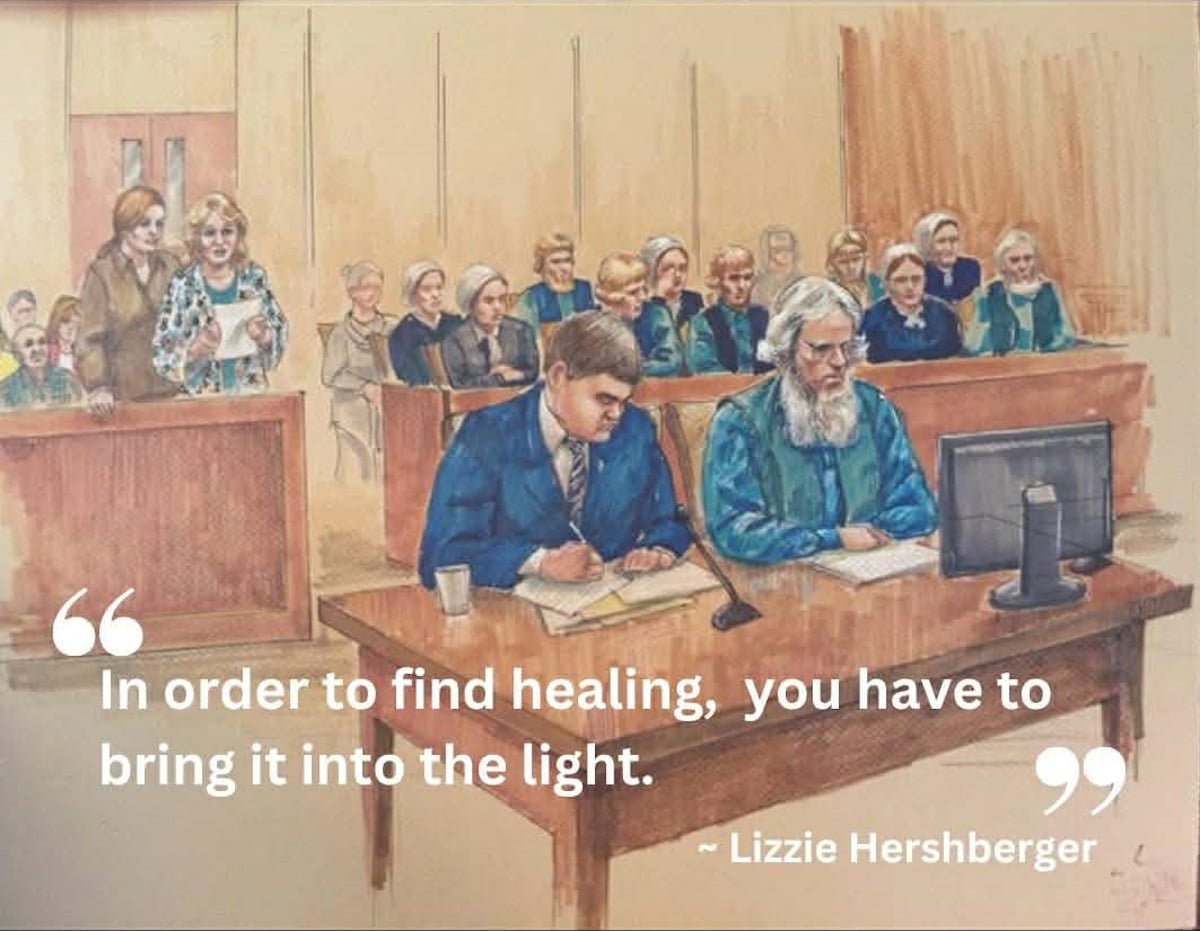
For McClure and the film crew, it was a powerful way to begin the story they were about to document. Lizzie remembers looking over at the filmmaker during filming and noticing tears in her eyes as she listened to the stories being told.
While Lizzie’s story anchors the film, Keep Quiet and Forgive also introduces viewers to several others whose lives intersected with hers along the way.
One of them is Menno, a soft-spoken young man who endured severe abuse while growing up Amish. For years he carried those experiences silently, nearly to the point of losing hope.
Seeing Lizzie publicly share her story changed something for him.
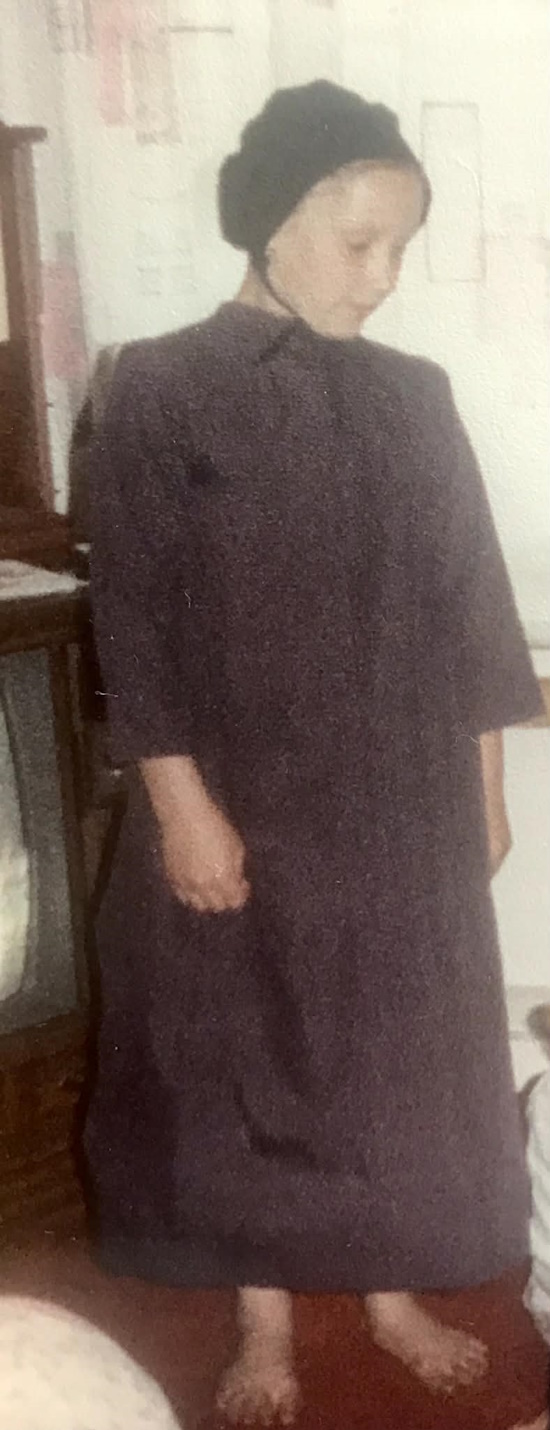
Encouraged by her courage, Menno began speaking about his own experiences and started the long process of healing. These days he runs marathons, proof of just how far he’s come.
Another story followed in the film is that of Katrina, a young Amish mother who brought forward her own case. After Lizzie reported her abuser, other survivors began reaching out — online, in person, and sometimes by phone — realizing they were not alone. Though Katrina’s decision to report was her own, Lizzie later became a source of support.
During the COVID years, Lizzie attended numerous court hearings alongside Katrina, sitting with her through a process that can often feel overwhelming and confusing.
Moments like those have become a regular part of Lizzie’s work.
After her own case, she completed victim-services volunteer training and began working as an advocate in several counties. Her role includes offering phone support, helping survivors understand legal procedures, assisting with victim impact statements, and sometimes simply sitting beside someone in a courtroom for moral support.
For many people from Plain communities, the legal system can feel unfamiliar and intimidating.
“When I reported my own case,” Lizzie has said, “I knew nothing about how the system worked.” Helping others navigate that process has since become one of her passions.
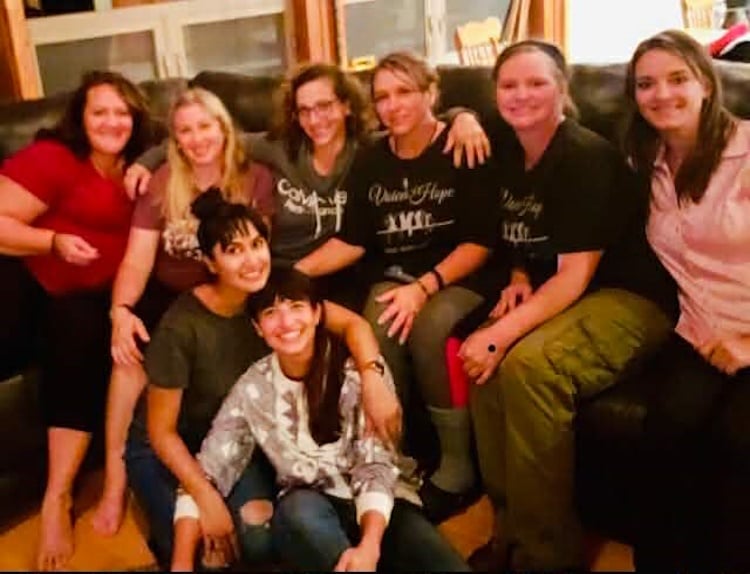
In 2018, Lizzie and her friend Dena Schrock co-founded an organization called Voices of Hope, a support network for survivors from Amish and Mennonite backgrounds. Through gatherings, conferences, and online connections, the group has helped individuals realize they are not alone in their experiences.
Over time, conversations that once remained hidden have slowly come to light.
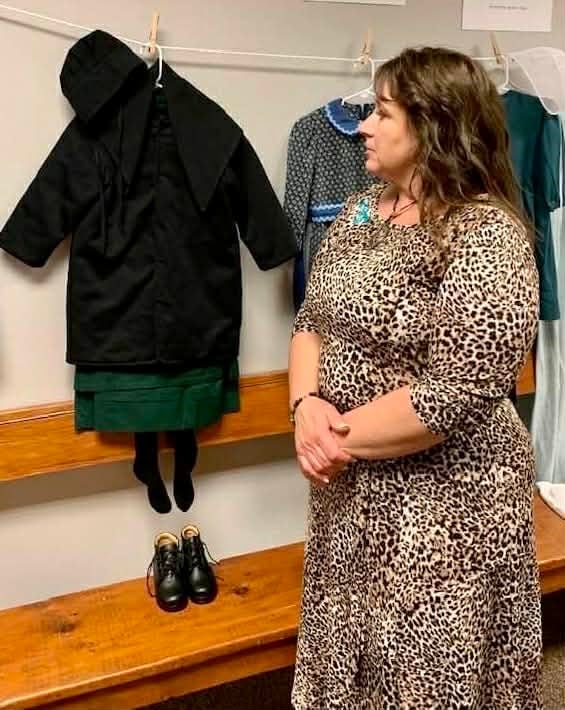
A person hears a lot from the driver’s seat on long rides through Amish country. I’ve seen firsthand how deeply community ties run in Plain life. Difficult subjects are not always easy to talk about in close-knit cultures, but little by little, people do start talking.
I first met Lizzie at one of the awareness meetings where those conversations were beginning to take shape. Stories like Lizzie’s help open doors for those conversations to continue.
Lizzie points to awareness meetings that began in Wisconsin around 2020 as one example of that shift. While change often comes gradually, she has seen increasing willingness in some communities to discuss the issue openly and support those who seek help.
Her hope is that more trained counselors and licensed resources will eventually become available to Plain community members who are navigating trauma.
For Lizzie, healing begins with something simple but often difficult: telling someone.
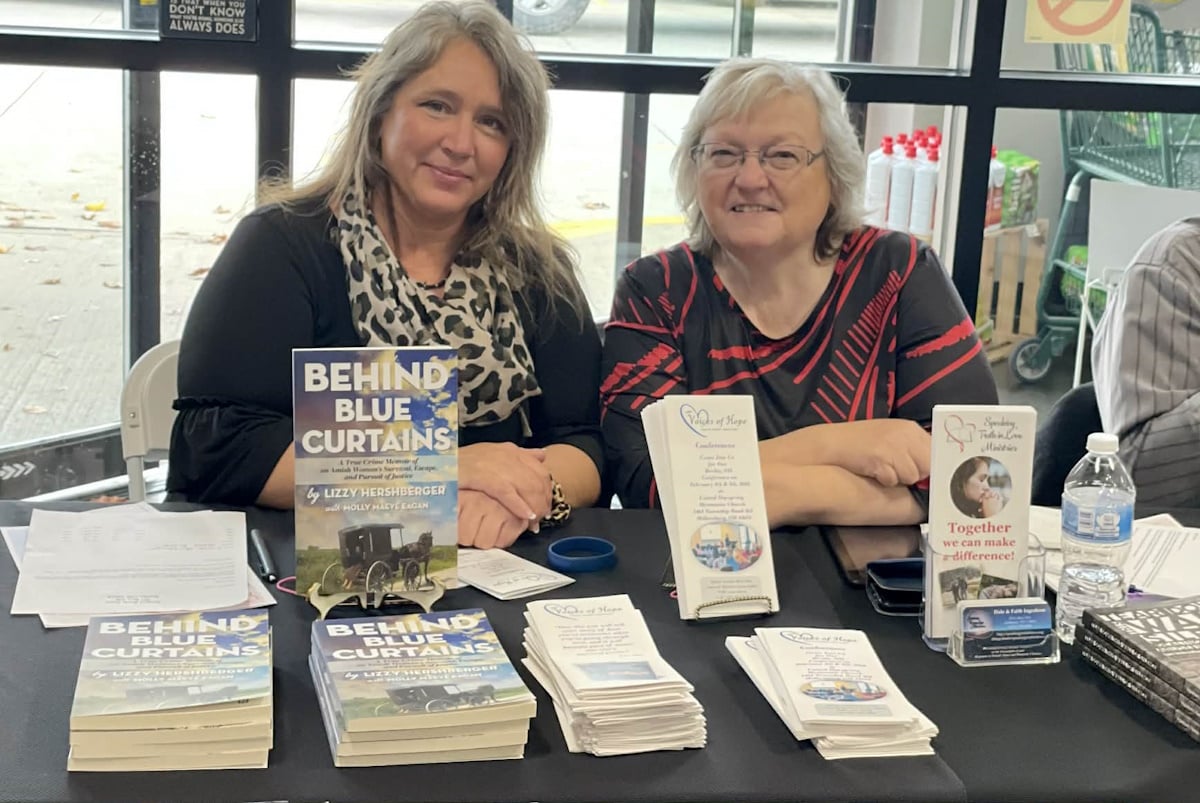
Whether it is a trusted friend, an advocate, a counselor, or even the pages of a journal, speaking about the experience can begin the process of recovery. Not every survivor chooses to pursue legal action, and Lizzie emphasizes that healing does not depend on a court case.
But breaking the silence can be an important first step.
At the same time, Lizzie is careful to emphasize that abuse should not define Amish communities as a whole. Many Amish families, she notes, live lives centered on faith, work, and close community ties.
Her goal is not to portray the Amish negatively, but to encourage honest conversations that protect the vulnerable and support survivors.
The documentary Keep Quiet and Forgive will bring these stories to a wider audience when it airs on PBS on March 23rd, 2026. Through the film, Lizzie hopes viewers will see both the pain survivors carry and the resilience they show in moving forward.
Most of all, she hopes anyone who has experienced abuse will realize they are not alone.
Sometimes, she says, healing begins with something as simple — and as powerful — as finding the courage to speak.
Haley Straw is a barefoot Amish taxi driver with a storyteller’s heart and a knack for gathering the kinds of tales the Amish share on long, quiet night drives. She tells these stories the way she experienced them —with raw honesty, a healthy dose of fear, and the hard-won wisdom that comes from surviving the storm. You can find her books, free Amish-inspired goodies, and more at haleystraw.com.


Amish Support & Advocacy
Bravo Lizzie!!! You’ve opened the door. Now others can find the courage they need to tell their own stories.
Awareness
Amish author Linda Byler wrote a trilogy called “The Long Road Home.” Unlike most Amish books this series dealt with these topics within the Amish storyline: sexual and physical abuse; prejudice. And others. At first I was taken aback as why Linda would delve into this in her storyline. But then I concluded that Linda Byler is spreading awareness amongst the teenager girls and women who read her books. Using her talent as an honest to goodness Amish woman to enlighten her Amish and English readers.
Abuse happens but...
The bigger question society should be dealing with is:: do we even want to talk about certain things that are done in private? Yes human beings hurt other human beings and always have and always will but by talking about sexual abuse of children within a family or close relatives, are we making things better or are we making things more acceptable and commonplace by talking about them? I can understand it is therapeutic for the victim to talk about their abuse and to make sure it doesn’t happen that they perpetuate the abuse on others in the future, this sometimes alleged to be a propensity of victims. But that discussion by victims should be confidential rather than made public because by making it public it becomes acceptable and commonplace and perhaps even legalized to a certain extent, and we say oh well you’re just one more person who’s been abused and that makes it easier for other people to become abusers!!! If we really wanted to stop abuse we would have very severe punishment and repercussions from the very close people to the abuser whether it’s religious authorities or family members who shun the abuser or encourage them to repent or to change their lifestyle or to overcome their tendencies to be abusive. The purpose of marriage in a relationship is to help one another become better people and running to the public and advertising how you’ve been abused does not help the abuser to change. If you disagree with me please explain how you think it’s helping people become less abusive simply to publicize it.
A sensitive Topic
Leon, I appreciate you sharing your thoughts. I understand the concern about sensitive matters being discussed publicly. At the same time, my experience has been that truth has a way of bringing healing when it’s brought into the light. When abuse stays hidden, it often continues unchecked. When it’s exposed, it gives victims a voice and communities a chance to address what’s wrong.
As Scripture says, “Take no part in the unfruitful works of darkness, but instead expose them… for anything that becomes visible is light.” (Ephesians 5:11–13). My hope is that by bringing difficult truths into the light, fewer people will suffer in silence.
Response to Leon
The light must shine into darkness so that the darkness has no place to hide.
As a victim myself, I actually agree 100% that the graphic details should NOT be shared publicly. I think it can absolutely excite perpetrators to more wrongdoing. It can also trigger victims to hear exact recounts of heinous actions.
However, abuse often happens secretly and remains hidden (due to shame or confusion or silencing). Victims need to hear stories of others who successfully told their own story so that they too can find courage to step forward. The public does need to know how to watch for signs of abuse (which are often different than you’d expect), how to support victims, and how to stop crimes in the community. For that reason, some people absolutely do need to share their story. People need to know the horrific consequence to victims, particularly children, who often have to live a horrendous life of inner torture trying to deal with the abuse. I think that the more people realize the way abuse destroys the innocent and creates scars that last a lifetime, the more people will want to stand against it and punish it properly.
Finally, I do believe that abuse becomes a matter for civil punishment. It is not enough for families or churches to shun these criminals (because sexual abuse is and absolutely should be a criminal offense). They will likely just wheedle themselves into another situation where they can abuse because they tend to be master manipulators. Remember, to get to the point of physically harming innocent people, they have already passed through many levels of sin and deviancy. At some earlier point, they might be able to repent and be rehabilitated. I am very close to someone who repented of serious sexual sin (adultery) and has been healed and remained faithful for decades. But he humbly remains carefully in complete accountability and vigilantly guards himself. He did not commit a crime, but he did break God’s commandments and his vows. That, however, is a matter between husband and wife and potentially church, and can be dealt with in those spheres. A person who chooses to sexually abuse another person IS committing a crime and has now passed through all circles of safety and restraint. The abuser is an unsafe member of society. In my opinion, that abuser should be swiftly tried in the criminal courts and permanently removed from a regular place in society. *See Florida, who doesn’t mess around with sexual crimes.* Without swift removal from society (such as no access to children, imprisonment, or beyond), these abusers can continue on. They may repent and be spiritually forgiven and reform, but they still must be civically punished. The safety of the innocent is paramount.
Very powerful
I think the Scandinavian community is a lot like the Amish in the way it handles abuse and trauma. Thank you for coming coming forward and speaking the truth.